
Renal Nutrition: Protein Targets for CKD Stages Explained
 Nov, 16 2025
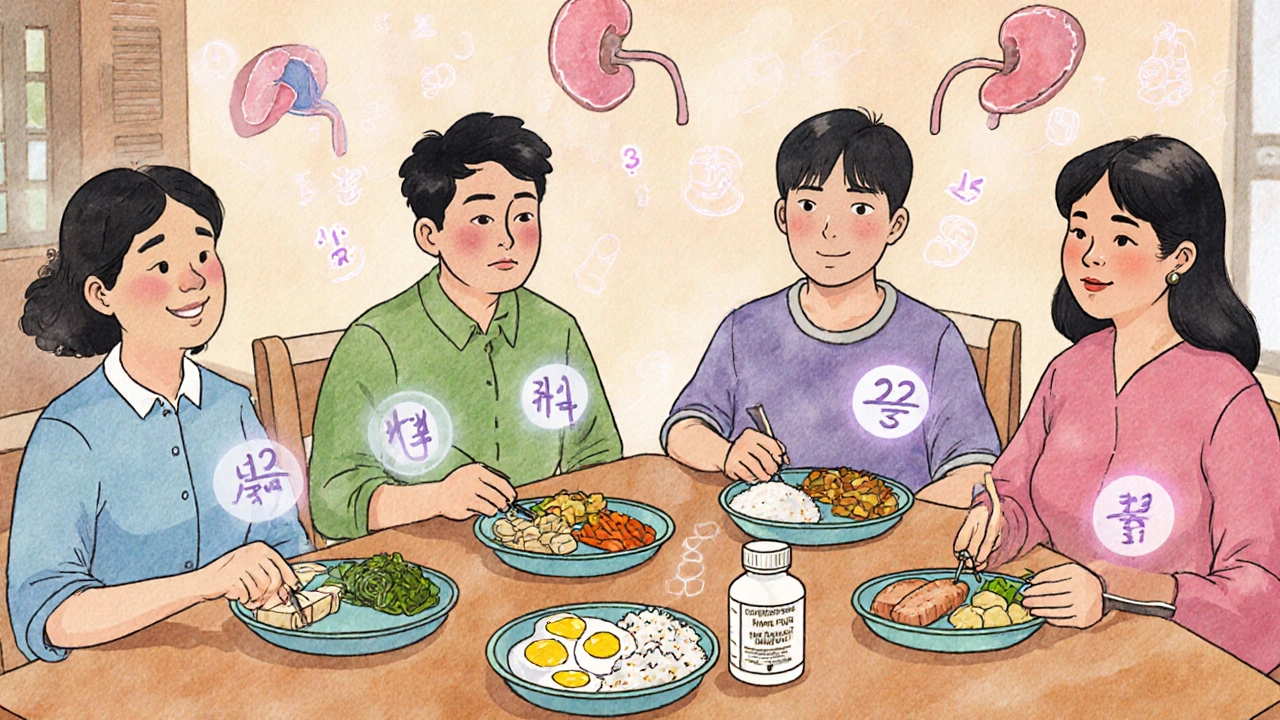
When you have chronic kidney disease (CKD), what you eat isn’t just about taste or preference-it’s a tool to protect your kidneys and keep you feeling stronger for longer. One of the most misunderstood parts of renal nutrition is protein. Too much can strain your kidneys. Too little can leave you weak, hungry, and at risk for muscle loss. The right amount? It depends on your stage of kidney disease, your age, your weight, and even what kind of protein you’re eating.
What Protein Does to Your Kidneys
Your kidneys filter waste from your blood. When you eat protein, your body breaks it down into nitrogen-based waste called urea. Healthy kidneys handle this easily. But when kidney function drops, that waste builds up, making you feel tired, nauseous, or swollen. That’s why doctors have long recommended lowering protein intake in later stages of CKD-to slow this buildup and give your kidneys a break.
But here’s the twist: cutting protein too much can backfire. Studies show that up to half of people with stage 3-5 CKD develop protein-energy wasting-a dangerous condition where the body starts breaking down muscle for fuel. That’s why the goal isn’t just to reduce protein. It’s to reduce it smartly.
Protein Targets by CKD Stage
There’s no one-size-fits-all number. Protein needs change as your kidneys decline. Here’s what current guidelines say:
- CKD Stage 1-2 (GFR ≥60): Stick to 0.8 grams of protein per kilogram of ideal body weight. For someone who weighs 150 lbs (68 kg), that’s about 54 grams per day. This isn’t a low-protein diet-it’s just avoiding excess. Many people with early CKD eat way more than this without realizing it.
- CKD Stage 3a-3b (GFR 45-59): Start moving toward 0.6-0.7 grams per kg. That’s around 40-50 grams daily for a 150-lb person. This is where many patients begin working with a renal dietitian to plan meals carefully.
- CKD Stage 4 (GFR 15-29): Target 0.55-0.60 grams per kg. For a 150-lb person, that’s 40-45 grams daily. At this stage, half of your protein should come from high-quality sources: eggs, milk, poultry, fish, lean beef, and soy. These contain all the essential amino acids your body can’t make on its own.
- CKD Stage 5 (GFR <15, not on dialysis): Still 0.55-0.60 g/kg, but some patients may need slightly more if they’re losing weight or showing signs of malnutrition. This is where medical nutrition therapy becomes critical.
There’s debate, though. A 2024 JAMA Network Open study found that older adults with early CKD who ate more protein (up to 0.8-1.0 g/kg) had lower death rates. Why? Because many die from heart disease before their kidneys fail completely. That’s why guidelines now say: individualize. A 72-year-old with diabetes and heart disease might need more protein than a 45-year-old with no other health issues.
Animal vs. Plant Protein: The Real Difference
Not all protein is equal when it comes to kidney health. Animal proteins-like steak, chicken, and cheese-produce more urea and phosphate per gram than plant proteins. They also generate more advanced glycation end products (AGEs), which cause inflammation and speed up kidney damage.
Plant proteins-beans, lentils, tofu, nuts, quinoa-produce 20-30% less waste. A 2021 meta-analysis found that replacing just 30% of animal protein with plant protein lowered the risk of kidney failure by 14% and cut death risk by 11%.
But here’s the catch: most plant proteins are incomplete. They’re low in lysine and methionine, two essential amino acids your body needs. So if you’re switching to plant-based, you can’t just eat a bowl of lentils and call it done. You need to combine them-rice and beans, hummus and whole wheat pita, tofu with quinoa-to get all the building blocks your muscles need.
And don’t forget potassium. Many plant foods are high in potassium-potatoes, spinach, bananas, avocados. For someone in stage 4 or 5 CKD, too much potassium can cause dangerous heart rhythms. That means you can’t just swap steak for kale. You need to leach potatoes, soak beans, and choose low-potassium plant options like cauliflower, cabbage, and apples.
Special Cases: Diabetes, Older Adults, and Weight Loss
If you have both diabetes and CKD, protein targets get trickier. The American Diabetes Association recommends 0.8-0.9 g/kg to protect your kidneys without risking low blood sugar or muscle loss. Cutting protein too low can make blood sugar harder to control.
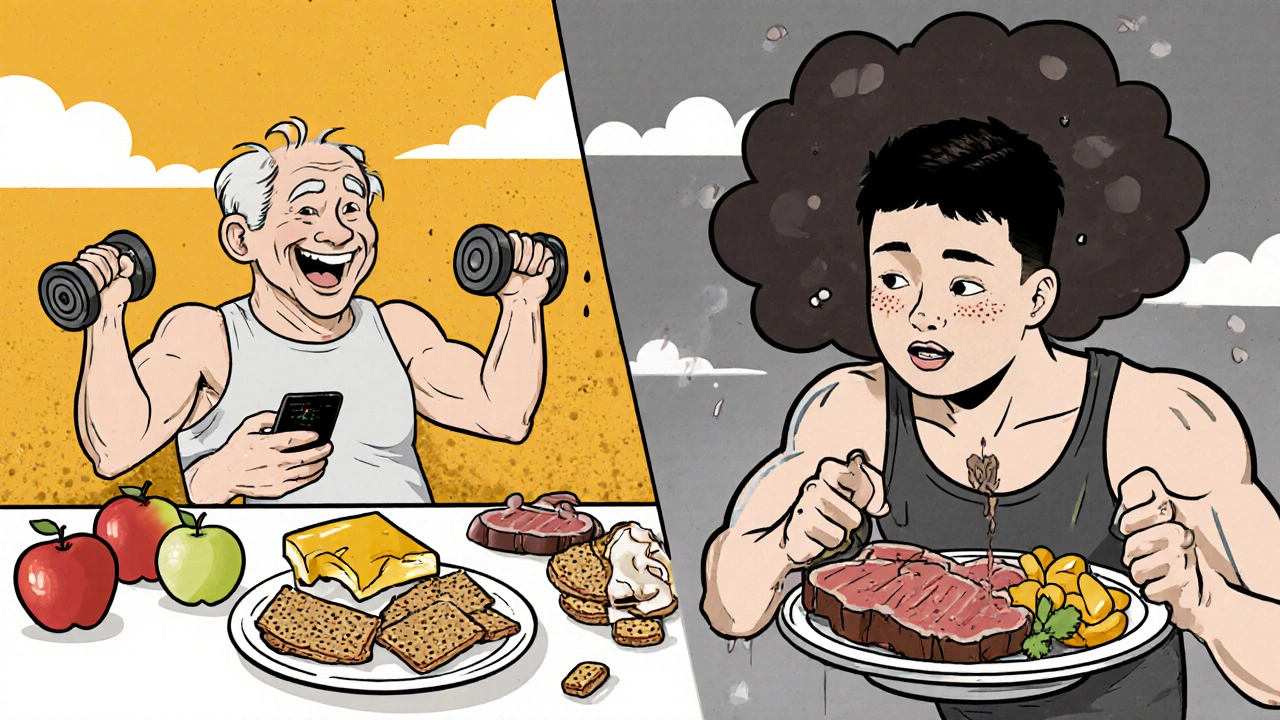
For older adults (65+), the balance shifts. Many lose muscle naturally with age. A 2024 study showed that older CKD patients who ate more protein lived longer-not because their kidneys improved, but because they stayed stronger, fell less, and avoided hospitalizations. So if you’re over 65, talk to your doctor before slashing protein.
And if you’re losing weight unintentionally? That’s a red flag. Losing 5% of your body weight in 6 months without trying means you’re at risk for protein-energy wasting. Your protein goal may need to go up-not down-until you stabilize.
How to Actually Stick to Your Protein Target
Knowing the number is one thing. Hitting it every day is another. Most people struggle. A 2024 survey of over 1,200 CKD patients found that 74% felt constantly hungry after cutting protein. 62% felt weak. 58% avoided social meals because they couldn’t eat what everyone else was having.
Here’s what actually works:
- Use a protein calculator. The National Kidney Foundation’s free app lets you input your weight and stage, then tracks your daily intake. Over 47,000 people have downloaded it since 2023.
- Meal prep. Cook in batches. Make a kidney-friendly stir-fry with tofu, bell peppers, and rice. Portion it out. When hunger hits, you’ve got a controlled meal ready.
- Choose high-quality protein first. One egg has 6 grams of protein and low phosphorus. A 3-ounce chicken breast has 26 grams. A cup of black beans has 15 grams but also high potassium-so pair it with low-potassium sides.
- Track with apps. MyFitnessPal has a renal-friendly database. You can search for “low-protein tofu” or “kidney-safe chicken broth” and get accurate numbers.
- Work with a renal dietitian. Patients who do this are 3.2 times more likely to stick to their plan. Insurance now covers 3 hours of initial counseling and 2 hours of follow-up per year for Medicare beneficiaries.
Many people try to do this alone. They read online. They guess. And they burn out. The best outcomes come from structured support. A 2023 DaVita survey of 15,000 patients showed that those working with dietitians reported better energy, fewer hospital visits, and higher satisfaction with their diet.

What About Protein Supplements and Medical Foods?
Some patients need help getting enough protein without overloading waste. That’s where keto acid analogues come in. These are prescription supplements-like Ketosteril-that provide essential amino acids without the nitrogen waste. They’re used in Europe for about 15% of stage 4-5 CKD patients. In the U.S., they’re less common but gaining traction.
They’re not magic. They work best when paired with a low-protein diet. And they’re not for everyone. Talk to your nephrologist if you’re struggling to meet protein needs without feeling sick or weak.
The Bigger Picture
Protein restriction isn’t about punishment. It’s about precision. It’s not that protein is bad-it’s that your kidneys can’t handle the overload. The goal isn’t to eat as little as possible. It’s to eat just enough to keep your muscles strong, your energy up, and your kidneys from working overtime.
The future of renal nutrition is personal. The NIH is running trials right now to tailor protein targets based on your genetics, urea levels, and even gut bacteria. One day, your diet might be adjusted by an algorithm that learns how your body responds to food.
For now, the best advice is simple: know your stage. Know your weight. Know your sources. And don’t do it alone. The right support turns a restrictive diet into a sustainable lifeline.
How much protein should I eat if I have stage 3 CKD?
For stage 3 CKD (GFR 45-59), aim for 0.6 to 0.7 grams of protein per kilogram of your ideal body weight. For a 150-pound person, that’s about 40-50 grams daily. Half should come from high-quality sources like eggs, fish, chicken, or soy. If you’re losing weight or feel weak, talk to your doctor-you may need a higher target.
Can I eat plant-based protein with kidney disease?
Yes, and it’s often better for your kidneys. Plant proteins like beans, lentils, and tofu produce less waste than meat. But they’re often high in potassium and phosphorus, and many lack all essential amino acids. To use them safely, combine different sources (like rice and beans), soak or leach vegetables, and work with a dietitian to balance your intake.
Is a low-protein diet dangerous for older adults with CKD?
It can be. Older adults with CKD are at higher risk for muscle loss and frailty. A 2024 study found that seniors who ate slightly more protein (up to 0.8-1.0 g/kg) had lower death rates-not because their kidneys improved, but because they stayed stronger and avoided falls and infections. If you’re over 65, your protein goal may need to be higher than standard guidelines suggest.
Why do I feel so hungry on a kidney diet?
Protein helps you feel full. Cutting it too low can leave you hungry all the time. The solution isn’t to eat more protein-it’s to eat more calories from kidney-safe carbs and healthy fats. Add olive oil, butter, or sugar-free jams to meals. Snack on apples with cinnamon, rice cakes, or popcorn. Fill your plate with volume without adding protein.
Do I need to see a dietitian for kidney nutrition?
Yes-if you can. Patients who work with a renal dietitian are over 3 times more likely to stick to their plan and report better quality of life. Medicare now covers 3 hours of initial nutrition counseling and 2 hours of follow-up each year for people with CKD. Ask your nephrologist for a referral. It’s one of the most effective steps you can take.
What’s the best way to track protein intake?
Use the National Kidney Foundation’s free Protein Target Calculator app. It lets you log meals and shows you how much protein you’ve eaten based on your stage and weight. Apps like MyFitnessPal also have renal databases if you search for “low-protein” or “kidney-friendly” foods. Most people underestimate protein in mixed dishes-like pasta with sauce or casseroles-so tracking helps you spot hidden sources.
Can I eat protein shakes with kidney disease?
Most commercial protein shakes are high in phosphorus, potassium, and protein-all things you need to limit. They’re not designed for kidney patients. If you need extra protein, talk to your doctor about prescription keto acid analogues or renal-specific supplements. Don’t use regular whey or casein shakes without approval.
How long does it take to get used to a kidney diet?
Most people need 3 to 6 months to adjust. The first month is the hardest-you’ll feel hungry, miss your favorite foods, and feel overwhelmed. But after 3 months, your taste buds adapt. You’ll start enjoying new flavors. Meal prepping and using herbs instead of salt helps. Support groups and dietitian visits make the transition much easier.
Protein isn’t the enemy. Mismanaged protein is. With the right plan, you can protect your kidneys, stay strong, and still enjoy your meals.
satya pradeep
November 18, 2025 AT 05:29bro i was eating 120g protein a day thinking i was being healthy, turns out my kidneys were screaming. switched to 50g after my nephrologist yelled at me and now i don’t feel like a zombie anymore. plant protein + leached potatoes = life changer. also stop eating that ‘high protein’ protein bar shit, it’s just phosphorus hell in a wrapper.
Prem Hungry
November 19, 2025 AT 12:26Hey there, just wanted to say thank you for sharing this. I’m 68 and in stage 3b, and I was terrified to eat anything after reading old advice. But this? This makes sense. I started mixing tofu with rice and adding a little olive oil to my meals. I’m not hungry all the time anymore. My grandkids say I’m actually smiling more. You’re right-this isn’t punishment. It’s precision.
Leslie Douglas-Churchwell
November 20, 2025 AT 00:30Let’s be real-this whole ‘protein restriction’ thing is Big Pharma’s way of selling you Ketosteril and renal dietitian subscriptions. 🤡 The real cause of CKD progression? Glyphosate in your ‘kidney-safe’ tofu and fluoridated water. 🚫💧 I’ve been eating 1.2g/kg protein for 3 years. My GFR is stable. My urine pH is alkaline. And guess what? I didn’t pay a single cent to a ‘dietitian.’ The system wants you dependent. Wake up.
shubham seth
November 21, 2025 AT 16:05Protein targets? More like protein roulette. You’re told to eat 0.6g/kg, then some ‘study’ says 0.8 is better, then some ‘meta-analysis’ says plants are magic, then your nephrologist whispers ‘but watch your potassium’ like it’s a secret code. Meanwhile your fridge looks like a vegan grocery store threw up on it. I’ve got tofu, quinoa, leached potatoes, and a heart that’s still beating. Who’s the real villain here? The system. Or maybe just my taste buds. 🤷♂️
Kathryn Ware
November 22, 2025 AT 22:14I’m a stage 4 CKD patient and I just want to say how much this post helped me. I was so overwhelmed-I thought I had to give up ALL protein. But learning that half my protein could come from high-quality sources like eggs and fish? Game changer. I started using the NKF app and tracking my meals for 2 weeks. I went from 30g to 42g and I actually have energy now. Also, the potassium thing? Leaching potatoes changed my life. I didn’t know you could do that! I even made a little chart for my meals. It’s not perfect, but I’m trying. And I’m not alone anymore. 💪❤️
kora ortiz
November 24, 2025 AT 09:40Jeremy Hernandez
November 25, 2025 AT 04:06LMAO at all these people talking about ‘precision’ and ‘dietitians.’ You think this is science? Nah. It’s guesswork wrapped in a Medicare bill. I’ve been on dialysis for 2 years. I eat steak three times a week. I feel better than the guy who’s eating ‘kidney-safe’ rice cakes. Stop overcomplicating it. Eat what you want. Your kidneys are already dead. Just don’t die from boredom.
Tarryne Rolle
November 26, 2025 AT 17:02Is protein even the real issue? Or are we just avoiding the uncomfortable truth that modern food systems have turned nutrition into a moral hierarchy? We obsess over grams and sources while ignoring the trauma of food insecurity, the industrialization of ‘healthy’ eating, and the commodification of survival. A 0.6g/kg target isn’t medicine-it’s a neoliberal coping mechanism disguised as science. 🤔 Maybe the real cure isn’t in the plate… but in the system that made the plate necessary in the first place.