
Statin Discontinuation: When to Stop and How to Manage Safely
 Jan, 18 2026
Statin Benefit Calculator
Is Statins Still Right for You?
This tool helps determine whether continuing statins provides meaningful benefit based on your health profile and life expectancy.
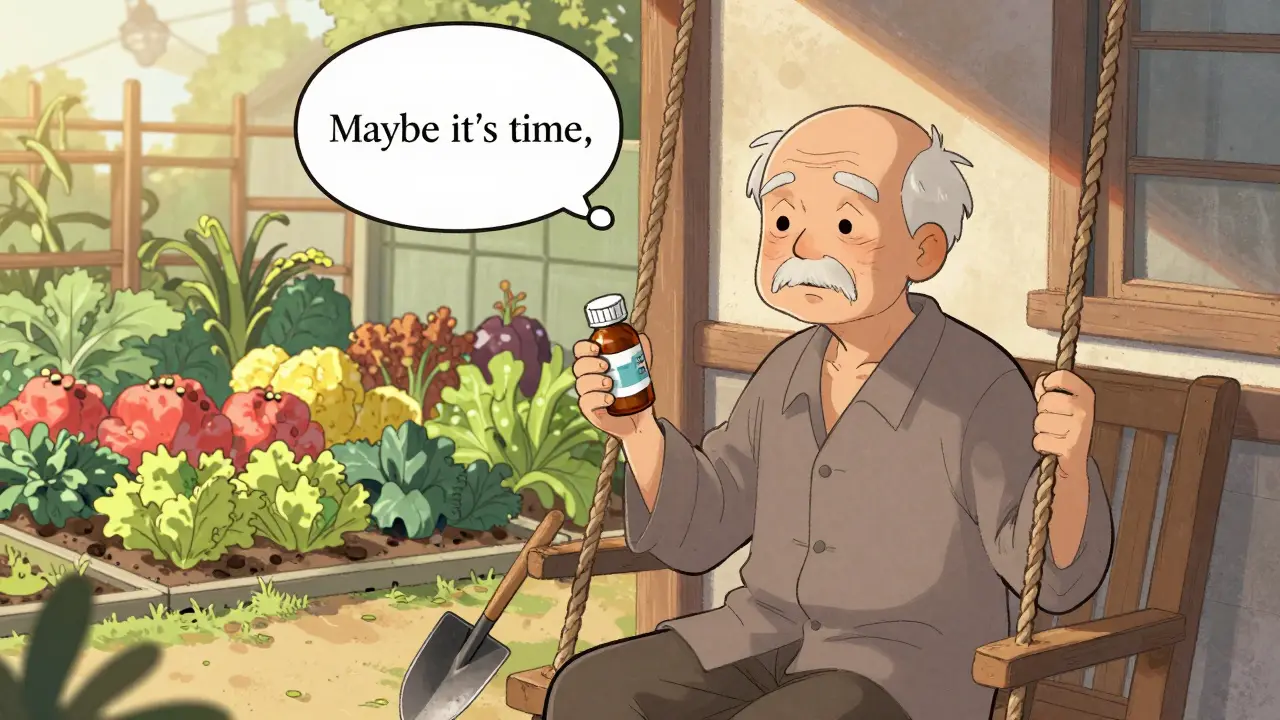
Many people take statins for years without thinking twice. They’re prescribed after a heart attack, stroke, or even just high cholesterol. But what happens when the side effects start piling up? Or when you’re older, frailer, and your life expectancy has changed? Statin discontinuation isn’t something doctors talk about enough - but it’s happening more than you think. Nearly one in five people on statins stop taking them for at least a year. Some do it because of muscle pain. Others because they’re tired of pills. A growing number because their doctor finally says, "Maybe it’s time." The truth? Stopping statins isn’t always dangerous. Sometimes, it’s the safest choice.
Who Should Even Be on Statins Long-Term?
Not everyone needs statins forever. There are two big groups: those with existing heart disease (secondary prevention) and those without (primary prevention). For people who’ve had a heart attack or stroke, statins cut the risk of another one by about 25%. That’s huge. Stopping here? The data is clear: for every 77 people who quit, one will have another major heart event within a year. That’s not a risk most people should take. But what about people who’ve never had a heart problem? Maybe their cholesterol is high, or their doctor says they’re "at risk." For these folks, the benefit is smaller. One extra heart event avoided for every 112 people who keep taking statins. That’s a lot of pills for a small gain - especially if you’re 75, have diabetes, kidney disease, or are in a nursing home. A 2023 review from MyPCnow found that if your life expectancy is less than two years, continuing statins offers almost no benefit. In fact, it just adds more pills to your routine, more side effects, and more cost. If you’re in hospice, or your cancer has spread, or you’re barely eating anymore - statins aren’t helping you live longer. They’re just keeping you on a medication list.Why Do People Stop Statins?
The number one reason? Muscle pain. Not always severe. Sometimes just a dull ache in the shoulders or legs. But it’s enough to make people quit. A 2019 study in the Journal of the American Heart Association found that fear of side effects and perceived side effects were the top reasons patients stopped. And here’s the twist: many of these people didn’t actually have statin-induced muscle damage. Their pain was from aging, arthritis, or just being less active. But the timing lined up - they started statins, then their legs hurt - so they blamed the pill. Other reasons? Worries about diabetes. Confusion over whether statins cause memory loss. Feeling like they’re being forced into lifelong medication without a plan to reevaluate. Reddit threads are full of people saying, "I’ve been on this for 10 years. No one ever asked if I still needed it." Hospital stays and nursing home admissions also spike discontinuation. People get admitted for a fall, a pneumonia, or a hip replacement. They’re put on a new list of meds. When they go home, statins just… disappear. No one says, "Should we restart this?"When Is It Safe to Stop?
There are three clear scenarios where stopping statins is not just okay - it’s recommended.- Life expectancy under two years. Whether it’s advanced cancer, end-stage heart failure, or dementia with frequent infections, statins won’t extend life. They just add burden. The American Geriatrics Society says deprescribing is appropriate here.
- Severe, persistent side effects. If you’ve tried two different statins at lower doses, switched to every-other-day dosing, and still have muscle pain or weakness - it’s time to reconsider. The risk of a heart event is real, but so is the risk of falling, losing mobility, or being too tired to enjoy life.
- Primary prevention in older adults with multiple chronic conditions. If you’re 80, have arthritis, COPD, and mild kidney disease, and you’ve never had a heart attack - the data says the statin benefit is tiny. The risk of side effects? It’s real. A major trial called "Discontinuing Statins in Multimorbid Older Adults" is currently testing this exact group. Early results suggest quality of life improves without increased heart events.
How to Stop Safely - No Abrupt Cutoffs
Don’t just throw your pills away. Even if you’ve been on statins for 15 years, stopping cold turkey won’t cause a rebound spike in cholesterol overnight. But it’s still smarter to do it right. Start with a conversation. Ask your doctor: "Based on my health now, do I still need this?" Bring a list of all your meds. Mention your side effects. Say you’re worried about taking too many pills. If your doctor says "yes, you can stop," ask for a plan. Some people do fine stopping cold turkey. Others - especially those with a history of heart disease - benefit from a slow taper. Reduce the dose by half for four weeks. Then stop. Monitor how you feel. Check your cholesterol in 8-12 weeks. Not to panic - just to see what’s happening. Document why you stopped. Was it muscle pain? Poor health? No longer needed? Many electronic records just say "no longer necessary," hiding the real reason. That matters for future care.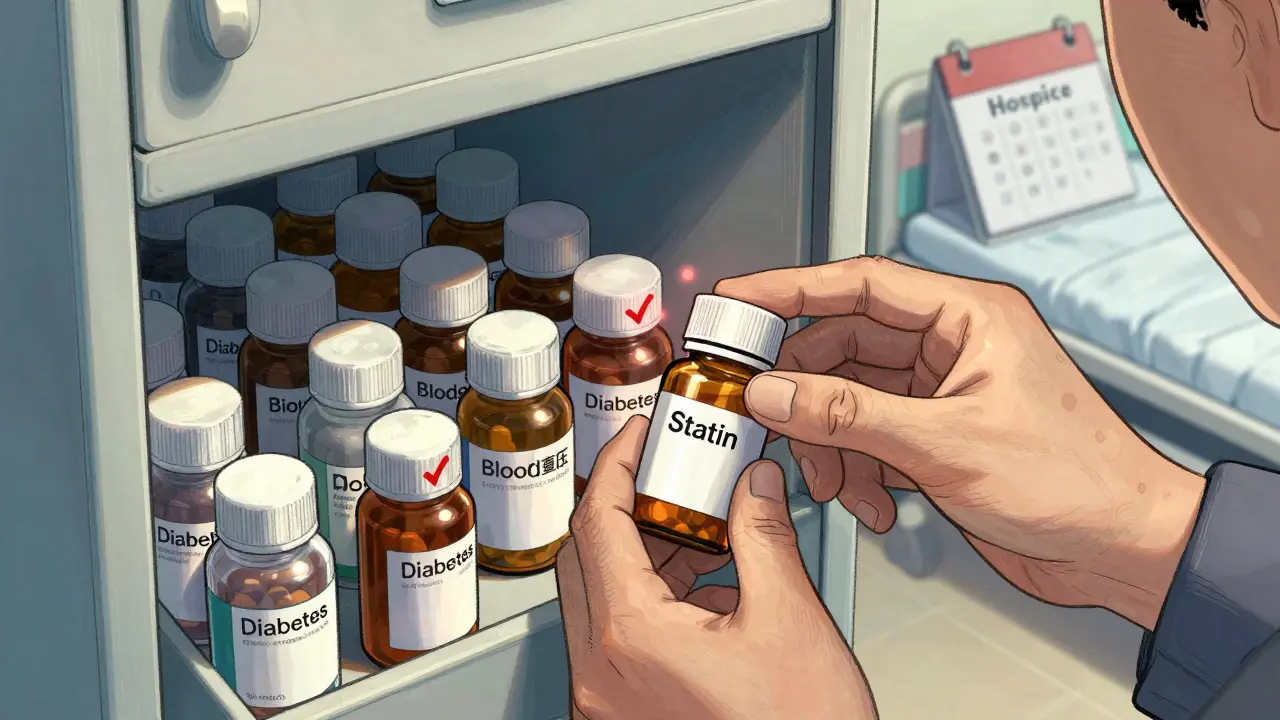
What Happens After You Stop?
Cholesterol will rise - but not always to dangerous levels. In people who stopped for side effects, LDL often goes up by 20-40 mg/dL. That sounds scary, but if your baseline was 130 and you’re 82 with no heart disease, that’s not an emergency. Your body adjusts. Your liver makes more cholesterol naturally. For people with heart disease, stopping means higher risk - but that risk builds over months and years. It’s not a sudden spike. That’s why monitoring matters. If you start feeling chest tightness, shortness of breath, or unusual fatigue, get it checked. Some people try alternatives. PCSK9 inhibitors? They work - but cost $14,000 a year. Ezetimibe? It lowers cholesterol a bit, but not nearly as much as statins. Fibrates? They’re for triglycerides, not LDL. Omega-3s? Helpful for heart health, but not a statin replacement. Most alternatives don’t offer the same protection - and often come with their own side effects or costs.What About Muscle Pain After Stopping?
A lot of people report feeling better after quitting statins. Their energy returns. Their legs don’t ache. They sleep better. That’s real. But here’s the catch: some of that improvement was placebo. Or it was from stopping a pill that made them feel like they were sick - even if it wasn’t. Still, if you felt worse on statins and better off them, and your doctor agrees your cardiovascular risk is low - that’s a win. Quality of life matters. If you’re walking again, gardening, playing with grandkids - that’s more valuable than a number on a lab report.Who Should Never Stop?
These people should keep taking statins unless a doctor says otherwise:- Anyone who’s had a heart attack, stroke, or stent placement
- People with diabetes and other heart risk factors (high blood pressure, smoking, family history)
- Those under 75 with very high LDL (over 190 mg/dL) and no major health issues
- People with genetic conditions like familial hypercholesterolemia
The Bigger Picture: Deprescribing Is Part of Good Care
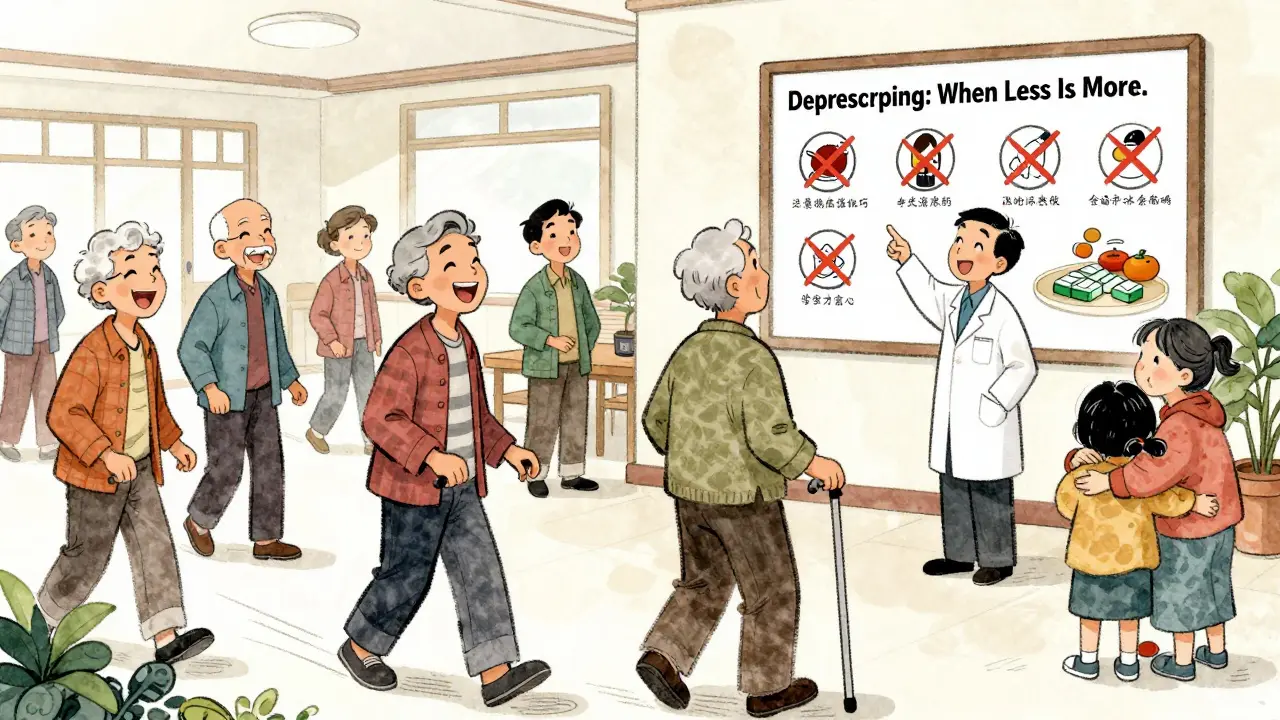
We’ve been taught that more meds = better care. But that’s outdated. In older adults with multiple conditions, taking fewer pills often means fewer falls, fewer hospital visits, and more time enjoying life. Statins are one of the most overprescribed drugs in aging populations. We’ve forgotten to ask: "Does this still help?" Instead, we just keep writing the script. The medical community is starting to catch up. The American Geriatrics Society now includes deprescribing in its guidelines. New studies are testing whether stopping statins in frail older adults is safe. Pharmacies are training pharmacists to help with these conversations. It’s not about quitting meds because they’re inconvenient. It’s about making sure every pill you take still has a purpose.Frequently Asked Questions
Can I stop statins cold turkey?
Yes, you can stop statins abruptly without dangerous withdrawal. Unlike some medications, statins don’t cause rebound effects. But it’s still better to do it with your doctor’s guidance. They can help you monitor your cholesterol and watch for symptoms that might mean you’re at higher risk for heart problems.
Will my cholesterol go back to dangerous levels after stopping?
It will rise - but not always to dangerous levels. If you stopped because you’re older and have no heart disease, a rise from 120 to 160 mg/dL isn’t an emergency. But if you’ve had a heart attack or stroke, a big jump could mean higher risk. Get your cholesterol checked 8-12 weeks after stopping to see where you stand.
What if I feel worse after stopping statins?
If you feel new chest pain, shortness of breath, dizziness, or extreme fatigue after stopping, contact your doctor right away. These could be signs your heart is under stress. Don’t assume it’s just "adjusting." It could mean you still need the medication.
Are there natural ways to lower cholesterol after stopping statins?
Diet and exercise help - but not enough to replace statins in high-risk people. Eating more fiber, reducing saturated fat, walking daily, and losing weight can lower LDL by 10-20%. That’s useful for low-risk people, but not enough if you’ve had a heart attack. Supplements like red yeast rice contain natural statins and carry the same risks. Don’t assume "natural" means safer.
Can I restart statins later if I need them?
Yes, you can restart statins later. Many people who stopped due to side effects try a different statin at a lower dose and do fine. If your health changes - say you have a heart attack five years after stopping - your doctor can restart statins. The key is keeping your medical team updated about your history.
Why don’t doctors talk more about stopping statins?
Most doctors were trained to prescribe statins for life, especially after heart events. Guidelines focused on starting them, not stopping. Also, there’s been little data - until recently - to support safe discontinuation. Now, studies are showing it’s okay in certain groups. But changing long-standing habits takes time. Don’t wait for your doctor to bring it up. Ask the question yourself.
Next Steps: What to Do Now
If you’re on statins and wondering if you still need them:- Make a list of all your medications and why you take each one.
- Write down any side effects you’ve had - even if you think they’re minor.
- Ask your doctor: "Based on my current health, do I still need this statin?"
- If you’re over 75 with multiple chronic conditions and no heart disease, ask if deprescribing is right for you.
- Don’t stop without a plan. Even if you’re ready to quit, work with your doctor to do it safely.
Erwin Kodiat
January 18, 2026 AT 18:29Been on statins for 12 years. Started after a mild heart scare at 58. Last year, I dropped to every other day. No chest pain, no muscle aches, my energy’s back. Cholesterol’s up a bit, but I’m hiking again, gardening, playing with my grandkids. Sometimes the best medicine is just living your life.
Christi Steinbeck
January 20, 2026 AT 17:13YES. This. My mom was on statins for 15 years until she got pneumonia at 82 and ended up in rehab. No one ever asked if she still needed them. She started feeling like a zombie-tired, stiff, confused. We stopped them. She smiled again. That’s not ‘giving up.’ That’s choosing to feel human.
Jacob Hill
January 22, 2026 AT 00:37Just a quick note: statins don’t cause rebound hyperlipidemia, but they also don’t magically erase plaque. Stopping without monitoring is like turning off your smoke alarm because you don’t like the beeping. Cholesterol rises, yes-but so does risk, slowly, silently. Please get tested after discontinuing.
Lewis Yeaple
January 23, 2026 AT 00:23While the article presents a compelling argument for deprescribing, it is imperative to emphasize that the evidence supporting statin discontinuation in primary prevention remains observational and non-randomized. The 2023 MyPCnow review, while cited, lacks the methodological rigor of a meta-analysis with mortality endpoints. One must not conflate quality-of-life improvements with clinical safety.
Jackson Doughart
January 23, 2026 AT 03:54I’ve seen this in my practice. Elderly patients on 8+ meds, all written by different specialists. No one’s looking at the big picture. I had a patient stop statins after we talked-she said, ‘I just want to feel my feet on the floor.’ Two months later, her LDL was 178. But she was walking to the store, cooking, laughing. I’d call that a win.
Malikah Rajap
January 25, 2026 AT 03:50Okay, but… what if you’re just lazy? I mean, I stopped my statin because I forgot to refill it, then I felt better, so I didn’t restart. Now I’m like, ‘Wow, I’m a genius!’ But what if I just needed to sleep more? Or drink less soda? Or stop yelling at my cat? It’s not the statin-it’s my life. We’re blaming the pill for our own bad habits.
sujit paul
January 27, 2026 AT 01:38Statins are part of the pharmaceutical-industrial complex’s grand design to keep you dependent. Big Pharma doesn’t want you to live long naturally-they want you on pills forever. Your cholesterol is not the enemy. Your processed food, your stress, your lack of sunlight-that’s the real villain. The system doesn’t want you to know this.
Valerie DeLoach
January 27, 2026 AT 20:28There’s a quiet revolution happening in geriatric care: deprescribing isn’t failure-it’s dignity. We’ve spent decades telling people to take more pills, to chase numbers, to fear death. But what if the real risk isn’t cholesterol? What if it’s being too tired to hold your grandchild’s hand? This article doesn’t just talk about statins-it talks about redefining what ‘health’ means when time is short.
Jake Rudin
January 29, 2026 AT 06:34My dad stopped statins at 81 after a fall. He said, ‘I’d rather die walking than live on a couch with a lab report.’ He lived two more years. No heart event. He baked pies, argued with the news, and died peacefully in his chair. We didn’t ‘fail’ him by stopping the pill-we honored him by letting him live.
Lydia H.
January 31, 2026 AT 03:32I’m 76, no heart issues, just high cholesterol. I stopped statins last year. My LDL went up, sure. But I started walking 5 miles a day. I eat more beans, less cheese. I feel lighter-not just physically. Like I’m not just a number on a chart anymore. Maybe I’m not ‘healthy’ by the book… but I’m alive. And that’s enough.
Astha Jain
January 31, 2026 AT 05:10statins r just for rich people who can afford to be scared of numbers. I’m from india, we eat ghee and still live to 90. why do we need this western drug? my grandma never took a pill and she danced at my wedding. #naturopathy #nojunkmed
Phil Hillson
January 31, 2026 AT 19:40So let me get this straight… we’re telling people to just quit their meds because they feel tired? What’s next? Stop insulin because your feet hurt? Stop blood pressure pills because you don’t like the side effects? This is how people end up dead in their living rooms. This article is dangerous. Don’t listen to Reddit. Listen to your doctor.
Josh Kenna
February 1, 2026 AT 01:42My doc said I could stop after 10 years but didn’t give me a plan. I just tossed them. Felt great. Then I got a weird chest twinge and panicked. Went to ER. They said it was anxiety. I’m back on half-dose now. Just… please don’t stop without a plan. It’s not about fear-it’s about not being dumb.
Tracy Howard
February 1, 2026 AT 01:53Canada has been doing deprescribing right for years. We don’t just hand out pills like candy. We ask: Does this improve your life? Or just your lab values? Americans are addicted to medication like it’s a religion. Statins? Just another idol. We’ve got better ways here. You should try them.
Aman Kumar
February 2, 2026 AT 00:18The pharmacokinetic burden in multimorbid elderly patients is non-trivial. Statin-induced myopathy, often underdiagnosed due to overlapping symptomatology with sarcopenia, represents a significant contributor to functional decline. Furthermore, the absence of prospective RCTs demonstrating non-inferiority of discontinuation in primary prevention cohorts renders this practice premature and clinically irresponsible. One must consider the cumulative risk of polypharmacy, not merely the absence of acute events.