
Mail-order generics: benefits and potential issues
 Mar, 3 2026
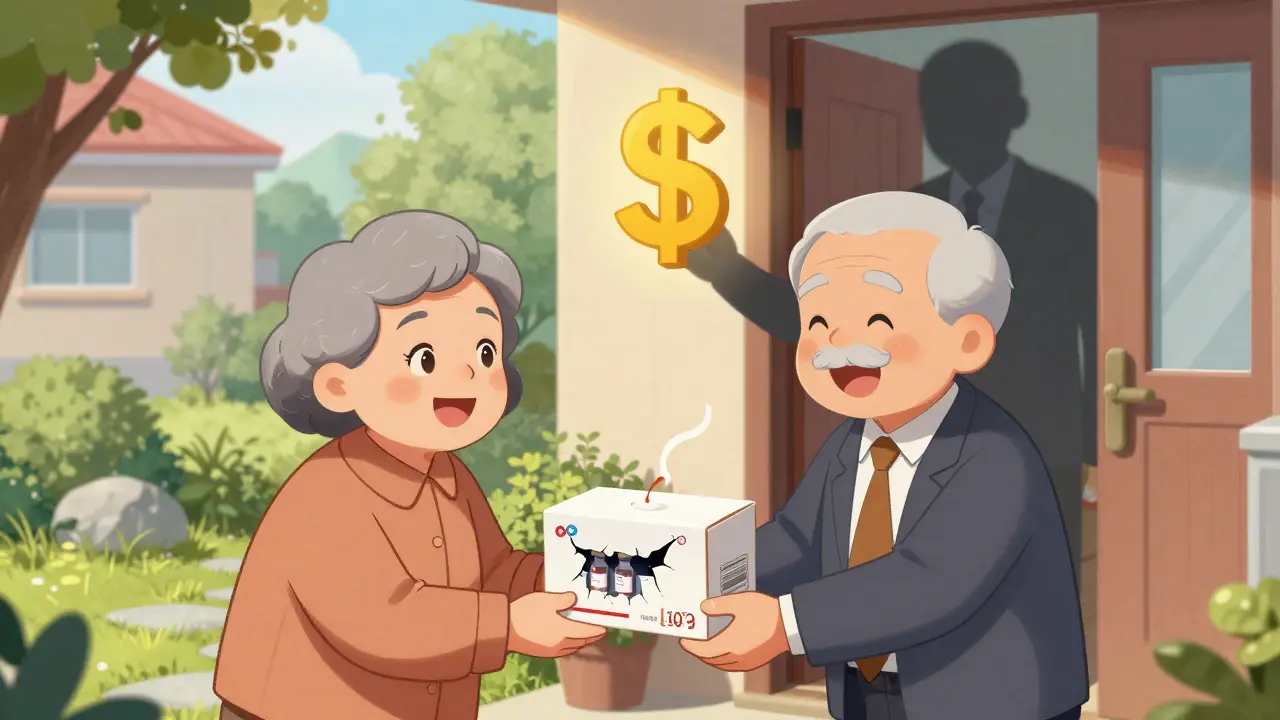
Getting your medications delivered to your door sounds simple-maybe even convenient. For millions of people taking daily pills for high blood pressure, diabetes, or cholesterol, mail-order generics have become the default way to refill prescriptions. But behind the ease of automatic shipments and low copays lies a system with real risks, hidden costs, and serious safety gaps. This isn’t just about saving a few dollars. It’s about whether your medicine still works when it arrives.
Why mail-order generics became so popular
The rise of mail-order pharmacies didn’t happen by accident. It was built into the system. When Medicare Part D launched in 2006, it included mail-order as a standard option. Insurers quickly realized they could cut costs by pushing patients toward 90-day supplies instead of 30-day refills. A 90-day supply often costs less than three separate 30-day fills-even with the same copay. Some plans charge just $10 for a 90-day supply of a generic blood pressure pill, while the same drug at a local pharmacy might cost $45 out-of-pocket.That’s a big incentive. By 2023, over 60% of people with diabetes or high blood pressure were using mail-order services, according to IQVIA. For patients managing chronic conditions, the convenience is real: no driving, no waiting, no missed refills. Automatic renewals mean fewer gaps in treatment. And for many, that’s life-saving. A NIH study found that people using mail-order pharmacies had better control over their cardiovascular risk factors-lower blood pressure, more consistent cholesterol levels-because they were more likely to stay on their meds.
The hidden price tag: Markups and mystery pricing
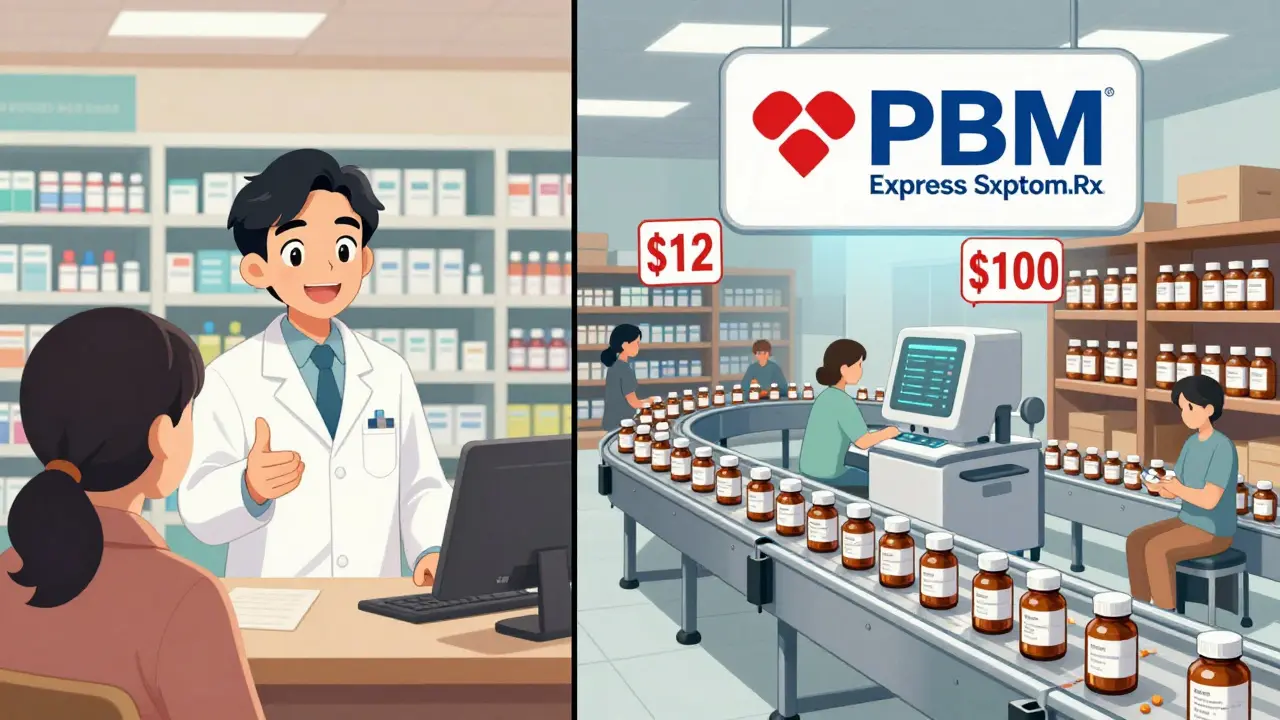
Here’s the catch: the savings aren’t always what they seem. While your copay might be low, the real cost to the system is often way higher. A generic antidepressant that retails for $12 might be billed to your insurer at $100 through a mail-order pharmacy. That’s an 800% markup. Brand-name drugs? Sometimes the markup is 35 times the retail price.Why? Because mail-order pharmacies are often owned by pharmacy benefit managers (PBMs)-companies like Express Scripts, CVS Caremark, and OptumRx. These three giants control nearly 80% of all mail-order prescriptions in the U.S. They negotiate prices with drugmakers, set what insurers pay, and decide which pharmacies get the business. The system is designed to maximize profit, not transparency. You rarely see the true cost. Your insurer pays more. You pay less. But who’s really footing the bill?
For uninsured patients, the situation is worse. A single monthly dose of semaglutide-a weight-loss drug-can cost $500 through direct-to-consumer mail-order sites. That’s unaffordable for most. The system works well for insured people with good coverage. For others, it can feel like a trap.
Temperature control: When your medicine goes bad
Medicines aren’t like books or socks. They’re sensitive. Insulin, for example, must stay between 68°F and 77°F. Too hot, and it breaks down. Too cold, and it freezes. Either way, it stops working.Yet a Journal of the American Pharmacists Association study found that mail-order pharmacies only keep medications within safe temperature ranges one-third of the time. The FDA has logged over 1,200 reports of temperature-related failures between 2020 and 2023. Real cases? Insulin shipments arriving melted after sitting in a hot mailbox for hours. EpiPens that lost potency. Antibiotics that turned cloudy. Patients didn’t know until they tried to use them.
There’s no federal law requiring temperature monitoring during shipping. No mandatory cold packs. No tracking. No accountability. Even major players like Express Scripts and CVS don’t publicly guarantee temperature control. If your medicine arrives warm, you might not find out until it’s too late.
When mail-order fails: Safety risks you can’t ignore
Mail-order isn’t designed for emergencies. Need an antibiotic for a sudden infection? An inhaler for an asthma attack? A painkiller after surgery? Don’t wait for a package. You’ll be stuck.Even for chronic meds, there are hidden dangers. If you take five different drugs, you might need to use three different pharmacies to get the best price. One for your blood pressure pill, another for your diabetes med, a third for your cholesterol drug. But now, no single pharmacist can check for dangerous interactions. No one’s looking at your full list. That’s how bad combinations slip through.
Another issue: switching generics. All generics are supposed to be the same as brand-name drugs. The FDA says so. But generics can look different-different color, shape, size, even taste. One study found that patients on multiple generic versions of topiramate (a seizure and migraine drug) had higher hospitalization rates than those on the brand name. Why? Because they got confused. They thought the new pill was a different medicine. Some stopped taking it. Others took too much. Small changes, big consequences.
The silence of the pharmacist
At a local pharmacy, you talk to the person filling your prescription. They ask: “Are you having side effects?” “Are you taking anything else?” “Did you forget to refill last month?”In mail-order? You get a box. Maybe a printed insert. No conversation. A Consumer Reports survey found that 68% of users worried about missing that personal check-in. Pharmacists at retail pharmacies catch problems before they happen. Mail-order systems don’t. They’re automated. Efficient. But cold.
That matters. A patient on blood pressure meds might start feeling dizzy. If they’re seeing their pharmacist in person, they’ll say something. If they’re getting pills in the mail, they might just assume they’re tired. By the time they call their doctor, they’ve already had a dangerous drop in blood pressure.
Who benefits? Who gets left behind?
Mail-order generics work best for people with stable conditions, good insurance, and the time to plan ahead. They’re ideal for someone who takes the same pills every day and knows their refill schedule.But they’re risky for others. Elderly patients with memory issues. People without reliable mail delivery. Those on tight budgets who can’t afford to lose a shipment. Patients with complex regimens. Anyone who needs meds fast.
And while the industry touts cost savings, the real winners are the big PBMs. Their profits jumped from $86 billion in 2013 to over $206 billion in 2023-even though the number of prescriptions only rose 11%. That’s not growth. That’s extraction.
How to use mail-order safely
If you’re using mail-order, here’s how to protect yourself:- Order early. Don’t wait until you’re out. Set up refills at least two weeks before you run out. Missing a dose of insulin or heart medication can be deadly.
- Check the package. When your meds arrive, look at them. Are they the right color? Shape? Smell? If something looks off, don’t take it. Call your pharmacy.
- Keep a list. Write down every medication you take-including doses and refill dates. Share it with your doctor and pharmacist, even if they’re not the ones filling your mail-order.
- Know your alternatives. Sometimes, your local pharmacy has the same price. Or even lower. Ask.
- Ask about temperature. If you’re on insulin, epinephrine, or other heat-sensitive drugs, call the pharmacy. Ask how they ship. Do they use cold packs? Do they track temperature? If they can’t answer, consider switching.
What’s next? Regulation is coming
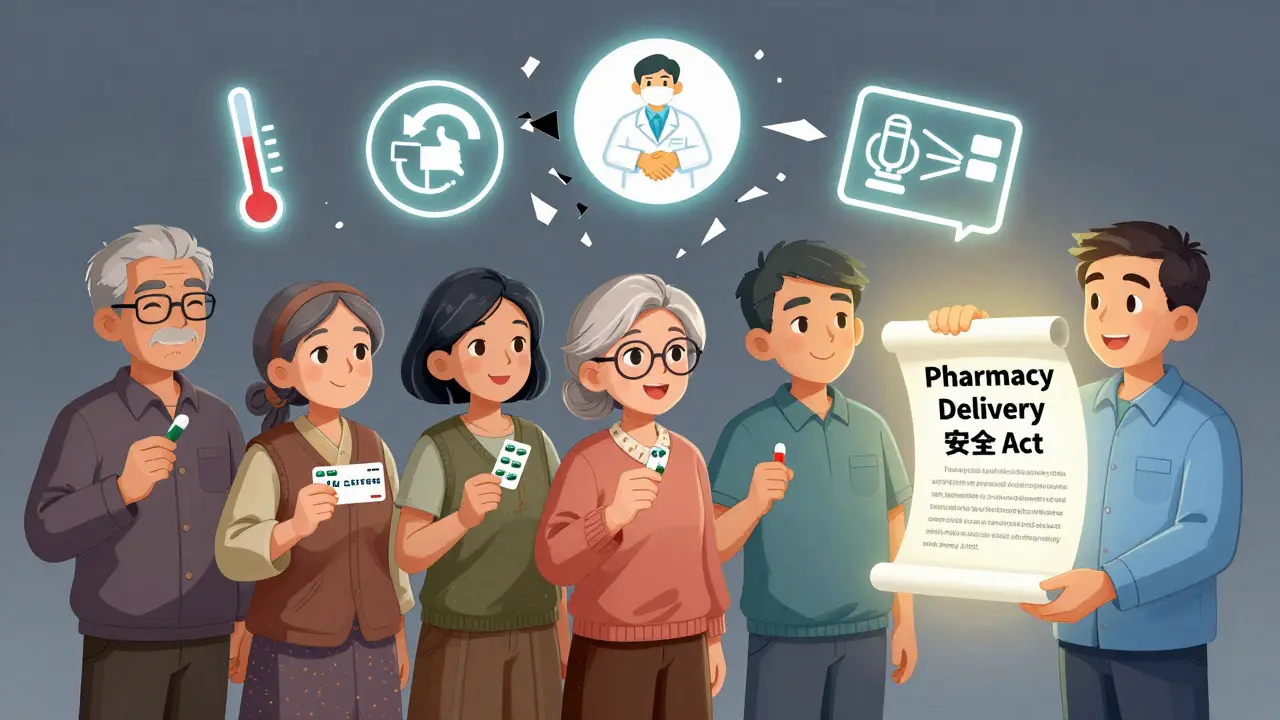
Pressure is building. The proposed Pharmacy Delivery Safety Act (H.R. 4892) would require mail-order pharmacies to monitor and document temperature during shipping. It would also force transparency around pricing. It’s still in committee, but it’s a sign that the system is under scrutiny.By 2027, experts predict mail-order will handle 45% of all chronic medication prescriptions in the U.S.-up from 31% today. That’s not going away. But it doesn’t have to be risky. With better rules, better oversight, and better communication, mail-order can still be a tool for good. Right now, it’s a gamble. You shouldn’t have to risk your health just to save money.
Are generic medications from mail-order pharmacies safe?
Yes, FDA regulations require mail-order generics to have the same active ingredients, strength, and effectiveness as brand-name drugs. But safety issues arise not from the drug itself, but from how it’s handled. Temperature extremes during shipping, lack of pharmacist oversight, and switching between different generic brands can all affect how well the medication works for you.
Why do mail-order pharmacies cost less than local pharmacies?
They save money by shipping large quantities at once-usually 90-day supplies-and by negotiating bulk deals with drugmakers through pharmacy benefit managers. Many insurance plans also incentivize mail-order with lower copays. But the lower price you pay doesn’t mean the drug costs less overall. Often, the insurer pays more, and the pharmacy benefit manager keeps the difference as profit.
Can I get my medication delivered if I live in a rural area?
Yes, most mail-order pharmacies deliver nationwide, including rural areas. But delivery delays are more common, and temperature control becomes even more critical if your package sits in a mailbox for hours in extreme heat or cold. Always plan ahead and ask how your meds are shipped.
What should I do if my mail-order medication arrives damaged or melted?
Do not take it. Call the pharmacy immediately and report the issue. Request a replacement. If you’re on insulin, heart medication, or any life-saving drug, go to a local pharmacy to get a new supply right away. Also, report the incident to the FDA’s MedWatch program-it helps track these failures.
Is mail-order better than a local pharmacy for chronic conditions?
For most people on long-term medications, mail-order can improve adherence and lower out-of-pocket costs. But it’s not risk-free. You lose personal pharmacist support, and temperature control isn’t guaranteed. If you’re stable, have good insurance, and plan ahead, mail-order can work well. If you’re on multiple drugs, have memory issues, or live in extreme climates, a local pharmacy might be safer.
marjorie arsenault
March 4, 2026 AT 01:00Just wanted to say thank you for laying this out so clearly. I’ve been on mail-order for my diabetes meds for years and never realized how much the system was rigged. I thought I was saving money, but now I see I was just being quietly exploited.
I started keeping a handwritten log of every pill I get-color, shape, even the imprint. Last month, my metformin looked different. I called the pharmacy. Turns out they switched generics without telling me. I asked for the original brand and they shipped it out the next day. Small win, but it matters.
Also, I always ask if they use cold packs. They said no. So now I have them ship to my work, where someone’s there to grab it. It’s not perfect, but it’s safer.
To anyone else on chronic meds: don’t be afraid to ask. You’re not being difficult. You’re protecting your life.
Deborah Dennis
March 5, 2026 AT 22:59Ugh. Another ‘let’s pretend mail-order is great’ article that ignores the real problem: corporate greed. PBMs are the real villains here. They’re not pharmacies. They’re financial middlemen who profit from confusion. And now they’re lobbying to make temperature controls optional? That’s not innovation. That’s negligence dressed up as efficiency.
Also, ‘ask your pharmacist’? Ha. You think I’m gonna call a call center in Ohio to ask if my insulin is still good? I’m supposed to just hope it didn’t melt in a Texas mailbox? This system is broken. And it’s not ‘some people’-it’s everyone who’s not rich.
Diane Croft
March 6, 2026 AT 07:17I’ve been a pharmacy tech for 18 years. I’ve seen both sides. The mail-order model isn’t evil-it’s just poorly regulated. We used to have real conversations with patients. Now? We’re just order processors. The system rewards speed, not care.
But here’s what I’ve learned: most people don’t know what to ask. They don’t realize that a pill’s color change isn’t normal. They don’t know to check the temperature. That’s on us. We need better education, not just regulation.
And yes, I’ve seen insulin melt. I’ve seen patients end up in the ER because they didn’t know. It breaks my heart. But we can fix this. We just need to care enough to try.
Donna Zurick
March 7, 2026 AT 17:13My mom is 76 and takes six meds. She uses mail-order because it’s easier. But she doesn’t check the pills. She doesn’t ask questions. She trusts the box.
I started sending her a checklist every time a new shipment arrives. Color? Shape? Smell? Temp? She rolls her eyes but does it. Last month, her blood pressure med looked wrong. We called. They sent a replacement. She’s alive because we asked.
Don’t wait until it’s too late. A five-minute check can save your life.
tatiana verdesoto
March 9, 2026 AT 03:40I live in rural Maine. My local pharmacy is 45 minutes away. Mail-order is my only option. But I’ve had two shipments arrive warm. One was my seizure med. I didn’t know until I had a breakthrough seizure.
I now call the pharmacy before every refill. I ask: ‘Do you use cold packs? Can you send a tracking link with temp data?’ They laughed at first. Now they send me a photo of the box before it ships.
It’s not perfect. But it’s better. And I’m not giving up. I’m fighting for my health. You should too.
Ethan Zeeb
March 9, 2026 AT 20:01Let’s cut the fluff. This isn’t about safety. It’s about profit. PBMs don’t care if your insulin melts. They care if their quarterly earnings hit targets. The FDA has known about this for years. They’ve done nothing. Congress is bought. Insurance companies are complicit. And patients? We’re the collateral damage.
Stop asking for ‘tips’ to survive the system. Demand systemic change. Demand regulation. Demand transparency. Or keep getting sick while they get richer.
Darren Torpey
March 10, 2026 AT 23:21Y’know what’s wild? We’ll spend $800 on a fancy coffee machine that brews oat milk lattes, but we won’t ask if our life-saving meds are getting cooked in a delivery truck. We’ve normalized neglect. We’ve turned health into a chore.
I used to think mail-order was a gift. Now I see it as a trap wrapped in a discount sticker. The real cost isn’t the copay-it’s the silence. The lack of human touch. The assumption that we’re okay with being treated like data points.
Let’s stop pretending convenience is worth risking our lives. We deserve better. We always have.
Mariah Carle
March 11, 2026 AT 12:45It’s ironic. We live in a world where we can track our sleep, our steps, even our mood-and yet we let our medicine arrive in a box with no guarantees. We’ve outsourced care to algorithms and profit margins. We’ve forgotten that healing isn’t transactional.
Maybe the real question isn’t ‘Is mail-order safe?’ but ‘What kind of society lets this happen?’ We’ve built a system that rewards efficiency over empathy. And now we’re paying the price-with our health, our trust, our lives.