
How to Create a Safe Medication Routine at Home for Your Family
 Dec, 9 2025
Why Your Family Needs a Safe Medication Routine
Every year, nearly 60,000 kids in the U.S. end up in the emergency room because they got into medicine they weren’t supposed to. Most of these accidents happen not in the medicine cabinet, but on a counter, in a purse, or on a bedside table - places where a curious toddler can reach them. The truth is, if you have medication in your home, you have a risk. It doesn’t matter if you’re careful. One distracted moment - a bag left on the couch, a pill bottle left open after taking your blood pressure medicine - is all it takes.
Children under 5 account for almost half of all accidental medicine exposures. But it’s not just kids. Seniors taking five or more medications a day are at risk of mixing up pills, taking double doses, or interacting with something they shouldn’t. In fact, 42% of family caregivers admit to making at least one medication error in the past year. The good news? Almost all of these mistakes are preventable with a simple, consistent routine.
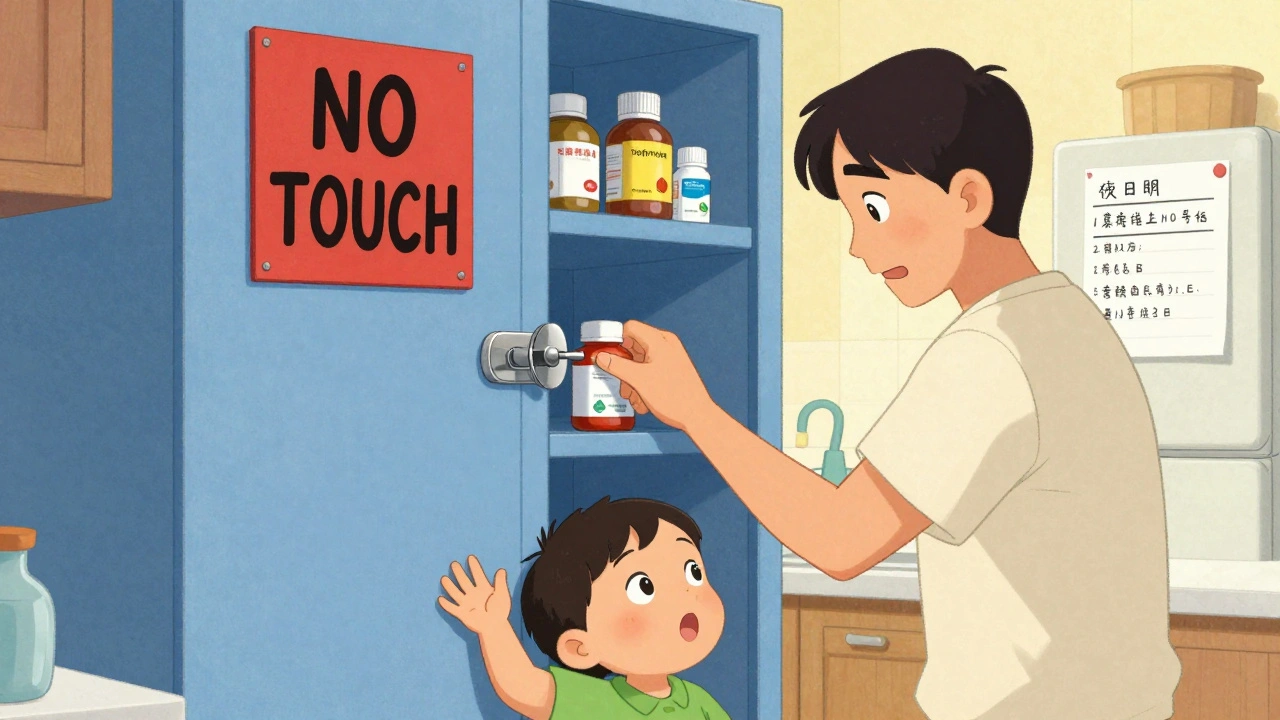
Store Medications Up and Away - And Locked
"Keep them up and away" isn’t just a slogan. It’s the number one rule from pediatric safety experts at Children’s Hospital Los Angeles. That means storing all medicines - prescription, over-the-counter, vitamins, even topical creams - in a locked cabinet, out of reach and out of sight. High shelves don’t cut it. Kids climb. They pull down bags, stand on chairs, and open drawers. A 2022 study showed households using locked storage saw a 34% drop in accidental ingestions.
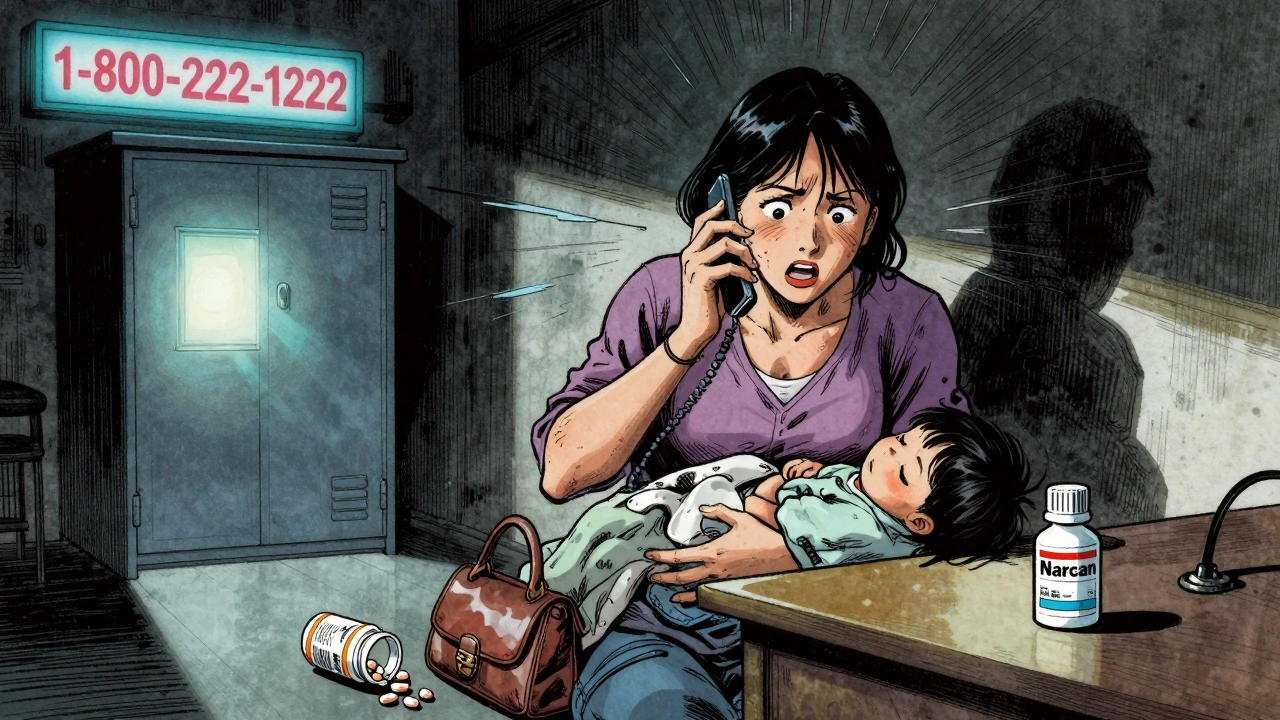
Don’t store meds in the bathroom. Humidity from showers and sinks can make pills lose their strength. The kitchen counter? Tempting for quick access, but dangerous. The best spot is a high cabinet in a bedroom or hallway, with a childproof lock. If you have opioids in the house - even just one prescription painkiller - lock them separately. Keep naloxone (Narcan) on hand. Opioid overdoses in kids can happen fast: small pupils, slow breathing, extreme drowsiness. Know the signs.
Use Original Containers with Child-Resistant Caps
Never transfer pills into unmarked containers like candy jars or spice bottles. Even if you think you’ll remember what’s inside, someone else might not. The Poison Prevention Packaging Act requires child-resistant caps on most prescription and OTC meds for a reason. But here’s the catch: only 55% of parents actually keep those caps tightened after each use. A loose cap is just a door left open.
Always keep the original label. It has the name, dosage, expiration date, and prescribing doctor’s info. If you’re traveling, bring the bottle - don’t just grab a handful. In an emergency, first responders need to know exactly what’s been taken. And if you’re using a pill organizer, keep the original bottles as backup. Label the organizer clearly, but never replace the real container.
Build a Master Medication List
Write down every single thing everyone in your household takes. Not just prescriptions. Include vitamins, herbal supplements, OTC painkillers, eye drops, and even topical ointments. For each item, note:
- Full name (brand and generic)
- Dosage (e.g., 10 mg, 5 mL)
- When and how often to take it
- Why it’s prescribed
- Start date
- Any side effects you’ve noticed
Keep this list on the fridge, taped to the medicine cabinet, or printed and in your wallet. Update it every time something changes - even if it’s just stopping a supplement. This list is your lifeline during doctor visits, ER trips, or when a babysitter is watching the kids. Studies show families with a written list have 30% fewer medication errors.
Follow the Five Rights of Medication Administration
Every time you give a pill or liquid, ask yourself these five questions:
- Right child? Is this medicine for the person I’m giving it to? Don’t assume - check the name on the bottle.
- Right medication? Does it match your master list? Look at the label twice.
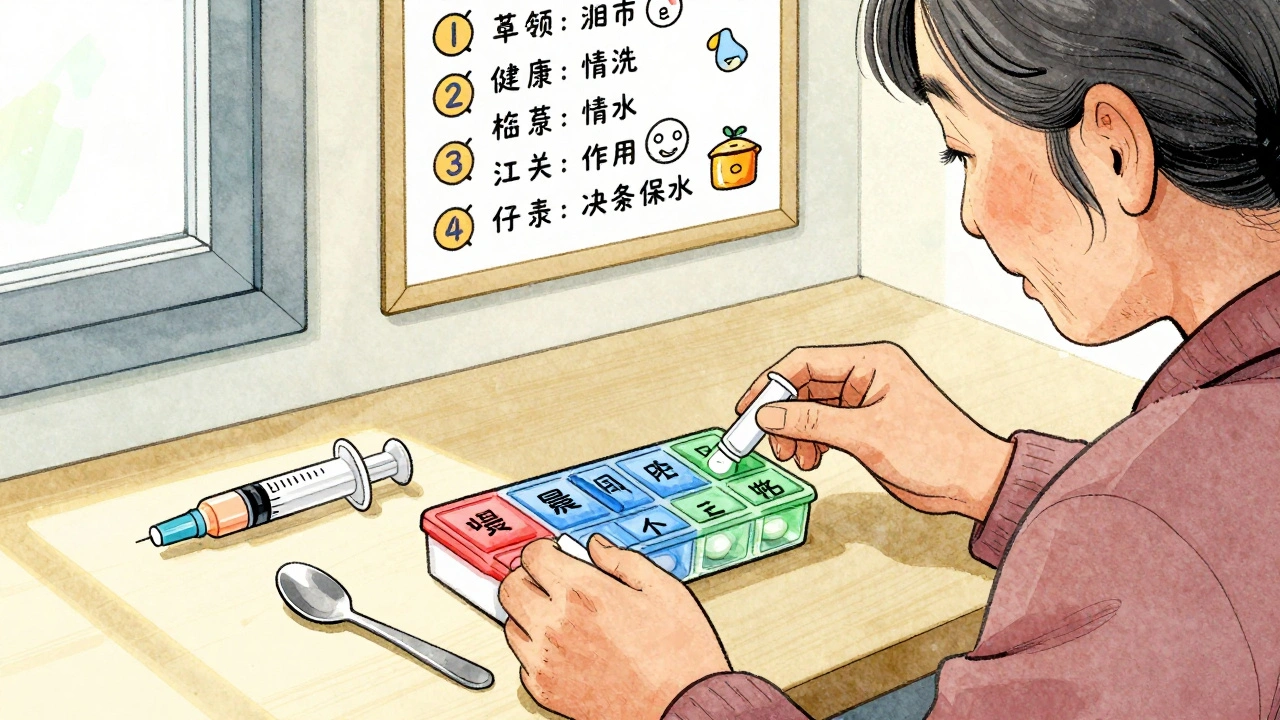
- Right dose? Are you using the right tool? Never use a kitchen spoon. Use the syringe or cup that came with the medicine. Liquid meds are the most common source of dosing errors - syringes reduce mistakes by 47%.
- Right route? Is this meant to be swallowed, applied to the skin, or inhaled? Don’t guess.
- Right time? Are you giving it at the right interval? Some meds need to be spaced 8 hours apart. Others are taken with food. Stick to the schedule.
This system cuts confusion. It’s simple. It works. And it’s used in hospitals for a reason.
Use Tools That Help - Not Complicate
Some tools make life easier. Others just add stress.
Pill organizers are great for daily meds - especially for seniors or kids on multiple pills. Choose one with clear labels and separate compartments for morning, afternoon, evening, and bedtime. 68% of caregivers say they reduce errors. But don’t fill it for the whole week. Do it weekly. Pills can degrade if left too long.
Digital apps like Medisafe or MyTherapy send reminders and track doses. But 27% of older adults give up on them within three months because the tech is too confusing. If someone in your home struggles with smartphones, stick to paper alarms or a wall chart.
Color-coding is a low-tech win. Use painter’s tape to mark pill bottles or organizers. Red for blood pressure, blue for asthma, green for vitamins. One Reddit caregiver reported a 60% drop in mix-ups after doing this.
For liquid meds, always use the oral syringe that came with the bottle. Never guess with a teaspoon. A teaspoon holds 5 mL. A tablespoon holds 15 mL. One wrong spoon can mean a dangerous overdose.
Review Medications Every 6 Months
Do a "brown bag" check every six months. Gather every bottle, jar, and box of medicine in the house - even the ones you haven’t touched in a year. Bring them to your pharmacist. They’ll spot:
- Expired meds
- Duplicates (two pills doing the same thing)
- Interactions (e.g., mixing blood thinners with NSAIDs)
- Unnecessary drugs - especially for seniors
Older adults are at higher risk from anticholinergic drugs (used for allergies, sleep, bladder issues). These can cause dizziness, confusion, and increase fall risk by 50%. The American Geriatrics Society recommends regularly reviewing and stopping these if possible. A pharmacist can help you deprescribe safely.
Know What to Do When a Dose Is Missed
Everyone forgets sometimes. The key is knowing what to do next.
If you miss a dose, give it as soon as you remember - unless it’s almost time for the next one. Then skip the missed one. Never double up. Taking two doses at once can cause serious side effects, especially with blood pressure or diabetes meds.
Keep a note in your master list: "If I miss a dose of X, I will [action]." This removes guesswork in the moment. For kids, write the plan on the fridge. For seniors, have a family member call to check in.
Dispose of Old or Unused Medications Properly
Don’t flush pills. Don’t throw them in the trash. Don’t leave them in a drawer for "just in case." Unused meds are a hazard - and a temptation.
Use a drug take-back program. Many pharmacies, hospitals, and police stations have drop boxes. If none are nearby, mix pills with coffee grounds or cat litter, seal them in a bag, and toss them in the trash. Remove labels first to protect privacy. Liquid meds? Pour them into a sealable container with kitty litter, then discard.
Clearing out old meds reduces clutter and risk. It also gives you peace of mind.
Teach Your Family - and Keep the Poison Control Number Handy
Even if your kids are older, teach them: "Medicine isn’t candy." Show them where the locked cabinet is. Explain why they can’t touch it. For teens, talk about the dangers of sharing pills or using someone else’s meds.
And know the number: 1-800-222-1222. That’s Poison Control. Save it in your phone. Write it on the fridge. If you ever suspect someone has taken something they shouldn’t - even if you’re not sure - call immediately. Don’t wait for symptoms. Don’t Google it. Call. It’s free, confidential, and available 24/7. Only 40% of households know this number. Don’t be in that group.
Start Small. Build Consistency.
You don’t need to fix everything tomorrow. Pick one thing to start:
- Lock the medicine cabinet tonight.
- Write down your first medication list this week.
- Use the syringe instead of the cup next time you give a liquid.
It takes 2-3 weeks to form a habit. After that, it becomes automatic. And when it does, you’re not just preventing mistakes - you’re protecting your family from something no one talks about but everyone fears: an accidental overdose that could have been avoided.
Steve Sullivan
December 9, 2025 AT 19:04George Taylor
December 10, 2025 AT 21:04ian septian
December 11, 2025 AT 04:49Chris Marel
December 12, 2025 AT 00:09Carina M
December 12, 2025 AT 08:22Iris Carmen
December 12, 2025 AT 12:09Andrea Petrov
December 12, 2025 AT 14:49Suzanne Johnston
December 13, 2025 AT 22:54Graham Abbas
December 15, 2025 AT 12:29Haley P Law
December 17, 2025 AT 07:54Tejas Bubane
December 17, 2025 AT 11:37