
Osteoporosis from Long-Term Corticosteroid Use: Prevention Strategies
 Mar, 27 2026
Glucocorticoid Bone Risk Calculator
Your Profile
Use this tool to understand your baseline risk before discussing treatment options with your doctor.
Risk Assessment Results
Immediate Prevention Targets
- Schedule a DEXA scan immediately to establish a baseline.
- Daily Nutrition Goals: Calcium 1,200 mg + Vit D 800 IU.
- Engage in weight-bearing activity for 30 mins, 5 days/week.
- Discuss bisphosphonate therapy with specialist.
- Stop smoking to reduce 25-30% fracture multiplier.
Enter details on the left to see your personalized prevention plan.
The Silent Threat of Steroid Use
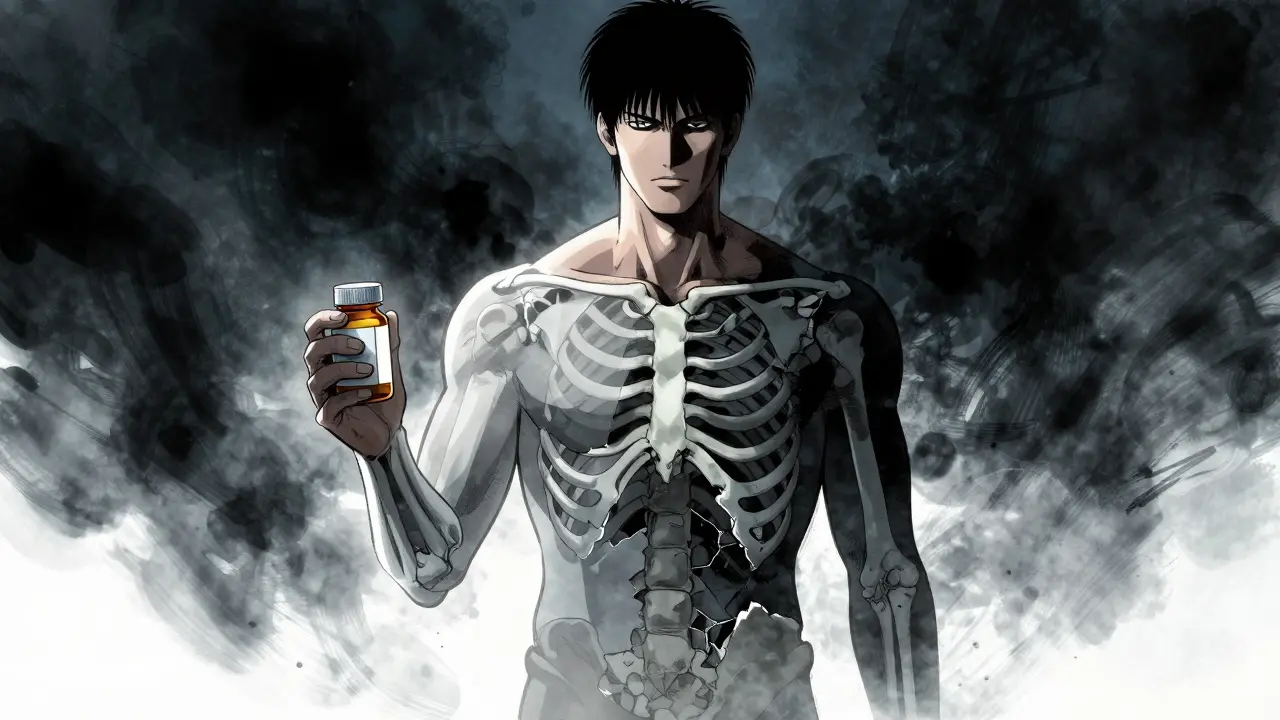
If you've been prescribed long-term corticosteroids for conditions like rheumatoid arthritis or asthma, you know these drugs work wonders at calming inflammation. However, there is a hidden cost that often goes unnoticed until a fracture occurs. Glucocorticoid-induced osteoporosis (GIOP) is the most common form of secondary osteoporosis, affecting up to 50% of patients on chronic therapy. The scary part isn't just that it happens-it's how fast it happens.
Your bones lose density most rapidly during the first three to six months of starting treatment. A study published in JAMA Internal Medicine found that within this short window, your risk of fracturing a bone jumps by 70 to 100%. While we often think of osteoporosis as a slow decline in older age, steroid-related bone loss acts much more aggressively. If you are taking a daily dose equivalent to 2.5 mg of prednisone for more than three months, you are already entering the high-risk category.
How Steroids Break Down Your Bones
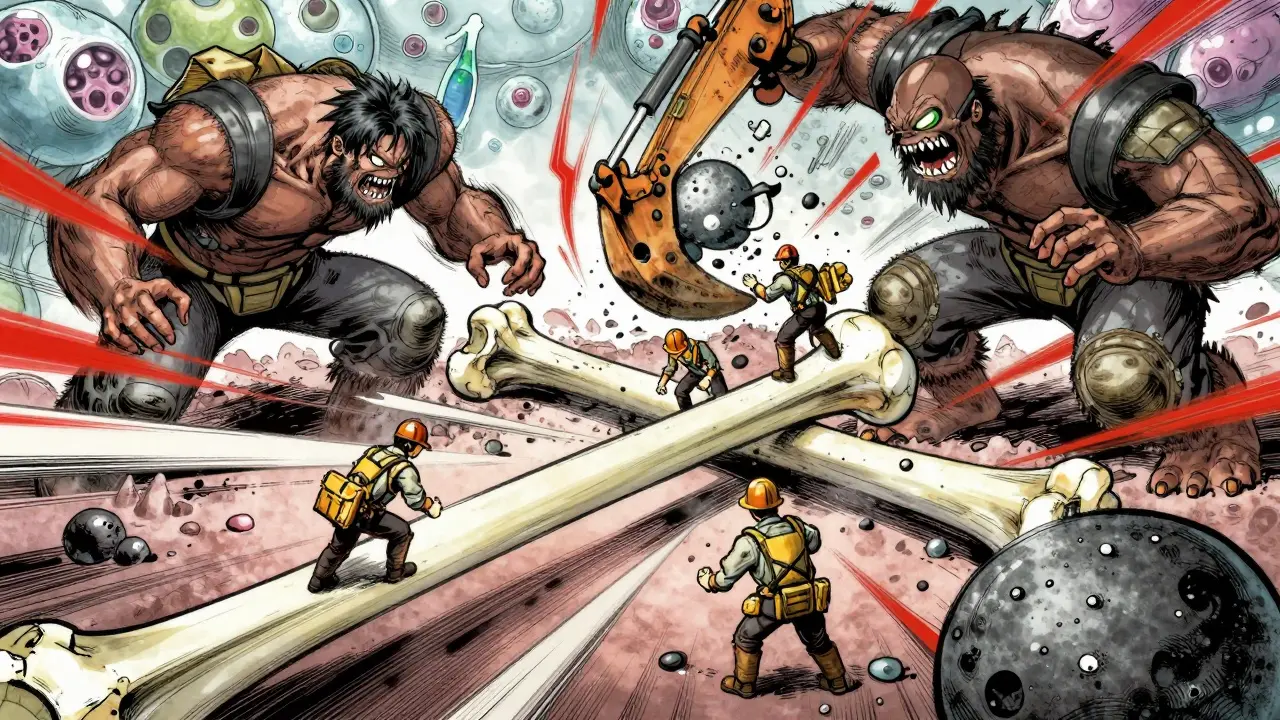
To understand prevention, you have to understand the mechanism. Think of your bones as a construction site. You have builders called osteoblasts creating new bone tissue, and you have wrecking balls called osteoclasts breaking down old bone. In a healthy body, these two teams are balanced. When you start heavy steroid use, you effectively fire the builders and give the wrecking balls a promotion.
Corticosteroids suppress bone formation by inhibiting osteoblast function while simultaneously keeping osteoclasts alive longer. This dual attack leads to a net loss of bone mass. Additionally, these medications mess with your body's ability to process calcium. Specifically, they reduce intestinal calcium absorption by roughly 30%. With less calcium getting into your blood, your body starts pulling it from your bones to maintain vital functions, further weakening the skeleton.
Identifying Your Personal Risk Factors
Not every patient needs full-blown protection immediately, but knowing where you stand helps. Clinical guidelines from the Bone, Body and Calcium (BBC) working group updated in 2022 outline clear tiers. If you are on a dose higher than 7.5 mg of prednisone daily, your risk doubles compared to lower doses. But even low doses matter.
- High Risk Group: Daily dose of 2.5 mg to 7.5 mg prednisone for longer than 3 months.
- Very High Risk Group: Daily dose greater than 7.5 mg prednisone.
- Other Multipliers: Having had a prior fracture, being over age 65, or having a family history of hip fractures pushes your risk category up significantly.
Doctors often underestimate this risk because patients feel well initially. However, a 2021 meta-analysis showed that for every 1 mg increase in your daily steroid dose, you lose an extra 1.4% of bone mineral density (BMD) in your spine annually. That might sound small, but over a year, that's structural collapse waiting to happen.
Finding the Foundation: Lifestyle Changes
Before adding pills to your regimen, you need to optimize your baseline health. Non-pharmacological strategies are the bedrock of all prevention plans. First, look at your physical activity levels. Weight-bearing exercise is crucial because it stimulates bone formation. The American College of Rheumatology recommends at least 30 minutes of weight-bearing activity on most days of the week.
This doesn't mean you need to become a marathon runner. Brisk walking, dancing, or climbing stairs counts. Be aware that steroids themselves blunt the benefit of exercise slightly-research suggests the effectiveness drops by about 25% compared to non-users-but ignoring it entirely is worse. Smoking is another major villain; smokers already have weaker bones, and combining smoking with steroids increases fracture risk by an additional 25-30%. Finally, watch your alcohol intake. Keeping it under 3 units a day helps keep liver and bone metabolism functioning correctly.
Nutritional Targets for Bone Protection
You cannot rebuild a house without materials. For your bones, those materials are calcium and vitamin D. The Cleveland Clinic specifies exact daily targets that should be met by diet first, then supplements. Ideally, you need 1,000 to 1,200 mg of calcium daily. Most people don't get this amount from food alone, so supplementation is usually necessary.
Vitamin D acts as the key that unlocks the door for calcium absorption. Without enough Vitamin D, the calcium you eat just passes right through you. Standard dosages range from 600 to 800 IU daily, though many experts argue that 800 to 1,000 IU is required for optimal fracture prevention. Blood tests show that maintaining serum levels above 20 ng/mL is critical. Data shows that combining 1,000 mg of calcium with 500 IU of vitamin D prevents lumbar spine bone loss by nearly 1% annually compared to doing nothing, which allows the body to retain more density.
When Medication Becomes Necessary
For patients who have been identified as moderate-to-high risk, lifestyle changes alone are insufficient. Drug therapy becomes the standard of care. Bisphosphonates remain the first line of defense. Risedronate taken weekly has been proven to cut vertebral fracture risk by 70% in patients using steroids. These drugs work by binding to the bone surface and stopping the "wrecking ball" cells from breaking bone down.
If bisphosphonates aren't tolerated-some patients get heartburn or esophageal irritation-there are alternatives. Zoledronic acid offers an annual IV infusion option, saving you from daily pills. Another strong contender is Denosumab, a shot taken every six months. For severe cases, specifically if you have already had a fracture or a very low T-score, teriparatide injections might be recommended. This drug actually builds new bone rather than just preventing loss, showing gains in spine density of over 9% in one year.

Why Prevention Often Gets Missed
Despite clear guidelines, implementation gaps are huge. Research indicates only about 62% of patients receive any documented intervention for bone health. Shockingly, men are often forgotten; 76% of women on steroids get counseling compared to only 44% of men. Part of the problem is that specialists (like rheumatologists) manage the steroids, while primary care doctors manage the bone health, leaving communication silos where no one takes responsibility.
Patient education plays a massive role here. Many patients believe osteoporosis is inevitable when taking steroids and stop fighting it after a doctor mentions it briefly. Effective programs use electronic alerts in medical records to flag anyone prescribed over 2.5 mg of prednisone for longer than three months. Systematic approaches like this have boosted guideline-following rates from 40% to over 90% in large health systems.
Maintaining Consistency Over Time
The battle isn't won after the first prescription. Adherence is the biggest challenge. Pharmacy data shows that 40% of patients drop out of calcium/vitamin D regimens within 12 months. People forget, or they fear the "pill burden." However, skipping meds undoes the protection you built earlier. Regular monitoring is key. You should have a bone density scan (DEXA) when you start treatment and then every 1 to 2 years afterward. Catching a dip early means you can adjust doses before a break happens.
| Risk Factor | Target Metric | Intervention Type |
|---|---|---|
| Daily Prednisone Dose | ≥ 2.5 mg for > 3 months | Evaluate for Treatment |
| Calcium Intake | 1,000-1,200 mg/day | Diet + Supplementation |
| Vitamin D Levels | > 20 ng/mL | 600-1,000 IU Supplement |
| Exercise Frequency | 30 mins, 5x week | Weight-bearing Activity |
| First-Line Drug | None needed yet | Bisphosphonates (if high risk) |
Frequently Asked Questions
Can I stop taking my corticosteroids to save my bones?
Stopping corticosteroids abruptly is dangerous and can lead to adrenal crisis. Always taper under doctor supervision. If bone loss is severe, your doctor may switch you to a steroid-sparing agent (like methotrexate or biologics) that doesn't hurt bone density.
Do liquid steroid shots cause osteoporosis too?
Yes, systemic absorption from repeated injections still impacts bone density, though usually less than daily oral medication. The total cumulative dose matters more than the delivery method.
What foods provide the best calcium for bone strength?
Dairy products are top sources, but fortified plant milks, leafy greens like kale (not spinach, which blocks absorption), sardines, and tofu work well too. Aim to fill half your quota with food before relying on pills.
Is it safe to mix bisphosphonates with other bone meds?
Using multiple antiresorptive drugs simultaneously is generally discouraged and monitored closely. Doctors might sequence them, such as finishing a course of teriparatide followed by a bisphosphonate to lock in gains.
How quickly does bone density recover after stopping steroids?
Recovery is slow. Some density returns in the first year off steroids, but full recovery of pre-treatment levels is rare. This reinforces why preventing the initial loss is far better than trying to fix it later.
Rachael Hammond
March 27, 2026 AT 15:22its reall scary how fast bone loss happens when you take steroids i know some one who had fractures and it wasnt until later they found out why. i think everyone needs to pay more attention to calcium intake because it makes a huge differance in keeping bones strong. also exercise helps a lot even if you feel tired from the meds sometimes. just making sure people read this before they ignore their doctor warnings about side effects. hope you guys stay healthy and strong while dealing with these conditions. its important to listen to your body when things dont feel right anymore.
Paul Vanderheiden
March 28, 2026 AT 08:13great info here really helps clear up the confusion on dosage limits and timing issues. we should all be taking our supplements seriously to stop the damage from happening early on. sticking to the plan is key for anyone on chronic therapy regimens
kendra 0712
March 29, 2026 AT 13:14This is such an important topic to discuss!!! We really need to focus on prevention strategies!! Thank you for sharing this vital info!!! Everyone should read this carefully!!!
tyler lamarre
March 29, 2026 AT 17:31Surprise surprise doctors missed the obvious signs again while patients suffer silently. Most people will just take the pills and ignore the long term risks anyway. Typical negligence in healthcare systems really drives me up the wall.
Tony Yorke
March 30, 2026 AT 23:59true. people often skip the follow ups. bone density scans matter.
Devon Riley
March 31, 2026 AT 08:46So happy to see this discussion happening 💪🏽 It's crucial for anyone on steroids to know the stats 📉 Calcium and vitamin D are lifesavers 🦴 Don't forget the weight bearing exercises too! You've got this strength inside you ✨ Please prioritize your health ❤️
Tommy Nguyen
April 2, 2026 AT 01:16yes keep going positive thoughts help recovery much better than worrying about everything else
Kameron Hacker
April 3, 2026 AT 03:24It is fundamentally unacceptable that medical professionals continue to neglect secondary side effects like glucocorticoid induced osteoporosis despite overwhelming evidence. Patients deserve comprehensive screening protocols that include regular bone density assessments rather than relying on sporadic checks. The statistics regarding fracture risk elevation are alarming and warrant immediate intervention upon prescription initiation. Ignoring the rapid onset of bone mass depletion within the first six months constitutes a failure of duty of care. Regulatory bodies must enforce stricter monitoring guidelines for corticosteroid prescriptions exceeding therapeutic thresholds. Many rheumatologists fail to communicate the severity of calcific absorption reduction to their patients adequately. This lack of transparency results in preventable injuries that could severely impact quality of life later. Furthermore male patients receive significantly less counseling than female counterparts which is a gender bias issue in medicine. Systemic changes are required to bridge the gap between specialist management and primary care coordination. Electronic alerts in patient records should be mandatory for flagging high risk dosages automatically. Adherence rates to calcium supplementation remain dismally low due to poor patient education materials being distributed. We cannot allow the burden of disease to fall solely on individuals without institutional support structures. Pharmaceutical companies ought to include clearer warning labels regarding skeletal health risks alongside standard adverse events. Insurance providers should cover necessary imaging studies without prior authorization barriers blocking access. Education campaigns need to target both clinicians and laypeople to demystify the biological mechanisms involved.
Poppy Jackson
April 4, 2026 AT 21:07quite dreadful situation indeed. the fear is real and palpable for many sufferers here.
Jeannette Kwiatkowski Kwiatkowski
April 6, 2026 AT 13:02honestly the bioavailability of calcium supplementation is a nuanced debate often oversimplified in popular media coverage. most folks rely on cheap chalk tablets instead of organic sources which undermines efficacy metrics substantially.
Rohan Kumar
April 6, 2026 AT 21:50sure just take the big pharma pills as usual 👍 they love your money 💸 nothing suspicious there about bone density tests being pushed 😒
Philip Wynkoop
April 7, 2026 AT 18:56let us all work together to find balance in treatment options 🙂 every person deserves safety in their medication journey :) sharing knowledge helps us all :))
Richard Kubíček
April 9, 2026 AT 00:18Absolutely. While pharmaceutical interventions play a critical role, holistic approaches involving nutrition and physical activity cannot be overlooked. Some patients report feeling overwhelmed by complex regimens, so simplifying the daily routine is beneficial. Collaboration between specialists ensures no detail gets lost during the transition of care between departments.
Eva Maes
April 10, 2026 AT 13:26pathetic lack of proactive defense mechanisms in standard care pathways everywhere.