
Appetite Changes from Medication: Why They Happen and How to Manage
 Jan, 31 2026
Medication Weight Effect Checker
Check how your medication might affect weight and discover practical management strategies.
Based on clinical data from the article. Results are estimates and should not replace medical advice.
Select a medication to see effects.
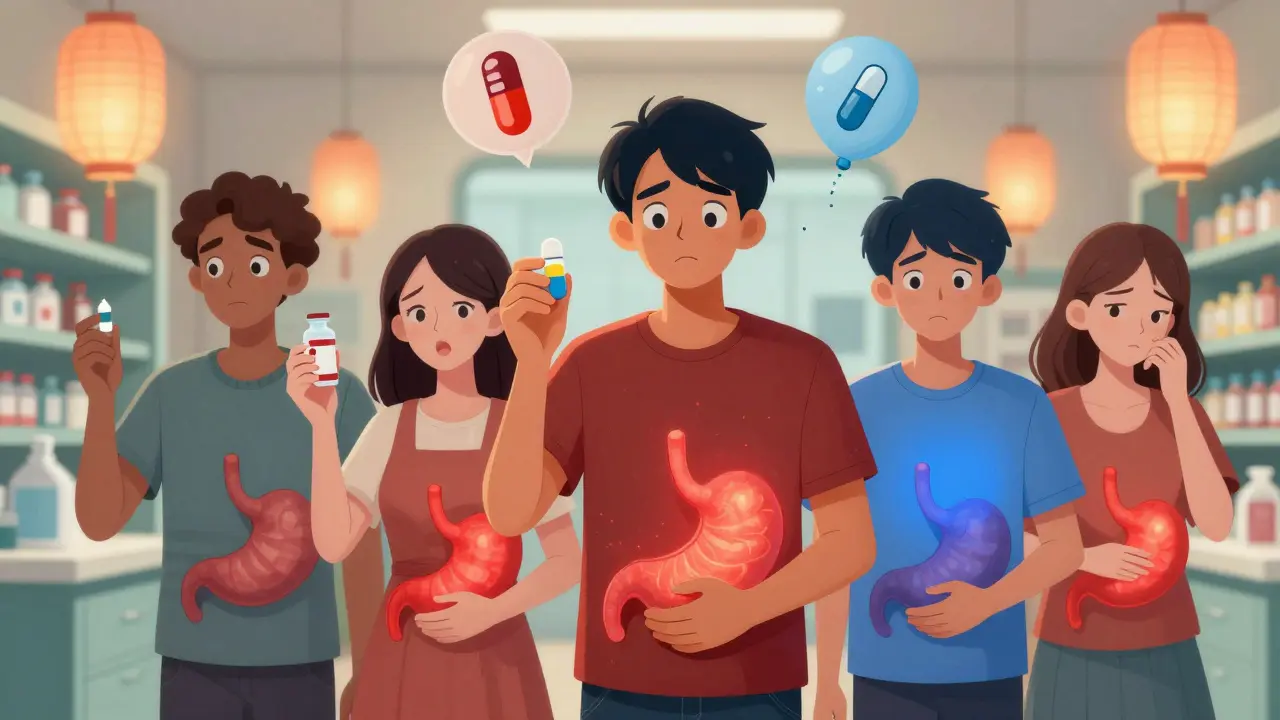
Ever feel like your hunger is out of control after starting a new medication? Or maybe you’ve lost interest in food altogether, even when you know you should eat? You’re not alone. Millions of people experience appetite changes because of the drugs they take - whether it’s for depression, diabetes, psychosis, or even high blood pressure. These shifts aren’t random. They’re biological responses built into how these medicines work. And while they’re often overlooked, they can have a real impact on your health, energy, and quality of life.
Why Medications Change Your Appetite
Your appetite isn’t just about being hungry. It’s controlled by a complex system in your brain, especially the hypothalamus, which talks to your stomach, liver, and fat cells through hormones and neurotransmitters. Medications interfere with this system in predictable ways. Take antipsychotics like olanzapine or quetiapine. These drugs block histamine and serotonin receptors, which normally help you feel full. When those signals get muted, your brain thinks you’re still hungry - even after eating. Studies show that within four weeks, some people on these meds have up to a 20% rise in ghrelin, the hunger hormone. That’s why many report constant cravings, especially for carbs and sweets. Antidepressants work differently. Short-term use of SSRIs like sertraline can reduce impulsivity and make you feel satisfied faster. But after a year or more, your brain adapts. Serotonin receptors become less sensitive, and suddenly, you’re craving sugary snacks to get that same feel-good effect. About 35% of long-term users report this shift. On the flip side, some meds shut down appetite. Amphetamines used for ADHD or narcolepsy boost norepinephrine and dopamine, which suppress hunger signals. People on these drugs often eat 300-500 fewer calories a day without even trying. Diabetes drugs like insulin, however, do the opposite. They help your body store glucose as fat, which can lead to weight gain of 2-4 kg in just six months. Metformin, another diabetes drug, does the reverse - it often leads to modest weight loss. Even over-the-counter stuff like diphenhydramine (found in sleep aids) can trigger hunger. It blocks histamine receptors too, mimicking the same effect as antipsychotics. It’s not just prescription drugs - it’s everything that touches your brain chemistry.Which Medications Are Most Likely to Cause Weight Gain?
Not all meds affect appetite the same way. Some are notorious for weight gain, while others might even help you lose it.- High risk (5-10 kg average gain): Olanzapine, risperidone, quetiapine
- Moderate risk (2-5 kg gain): Amitriptyline, mirtazapine, paroxetine, lithium, insulin, sulfonylureas
- Neutral or weight-neutral: Bupropion, vortioxetine, metformin
- Weight loss: Topiramate, amphetamines, GLP-1 agonists
What You Can Do: Practical, Proven Strategies
You don’t have to just accept weight gain or loss as inevitable. There are real, science-backed ways to manage it - without stopping your medication. Start early. The biggest changes happen in the first three to six months. Waiting until you’ve gained 10 pounds makes it harder. The American Psychiatric Association and the Endocrine Society both recommend tracking your weight weekly during the first few months of starting a new drug. Change your eating habits, not just what you eat. A simple trick: drink a glass of water 20 minutes before meals. In a study of 200 users, this reduced calorie intake by 13% on average. Why? It fills your stomach slightly, so you feel full faster. Swap refined carbs for whole grains. People who replaced white bread, pasta, and rice with oats, brown rice, and quinoa reported feeling full 45 minutes longer after meals. Fiber slows digestion and stabilizes blood sugar, which cuts those sudden hunger crashes. Plan your snacks. Eating protein-rich snacks every 3-4 hours keeps your blood sugar steady between 70-110 mg/dL. That means fewer cravings. Try a hard-boiled egg, a handful of almonds, or Greek yogurt. Each should have 15-20 grams of protein. Meal prep twice a week. People who planned their meals ahead ate 200 fewer calories per day than those who ate spontaneously. When food is already portioned and ready, you’re less likely to grab the first thing in sight. Move your body. Resistance training - lifting weights or doing bodyweight exercises - builds muscle. Just 2-3 sessions a week can increase your muscle mass by 1-2% per month. That raises your resting metabolism by 50-100 calories a day. Over time, that adds up. Practice mindful eating. Put your fork down between bites. Chew slowly. Turn off screens during meals. People who did this reduced portion sizes by 15-20% without feeling hungrier afterward.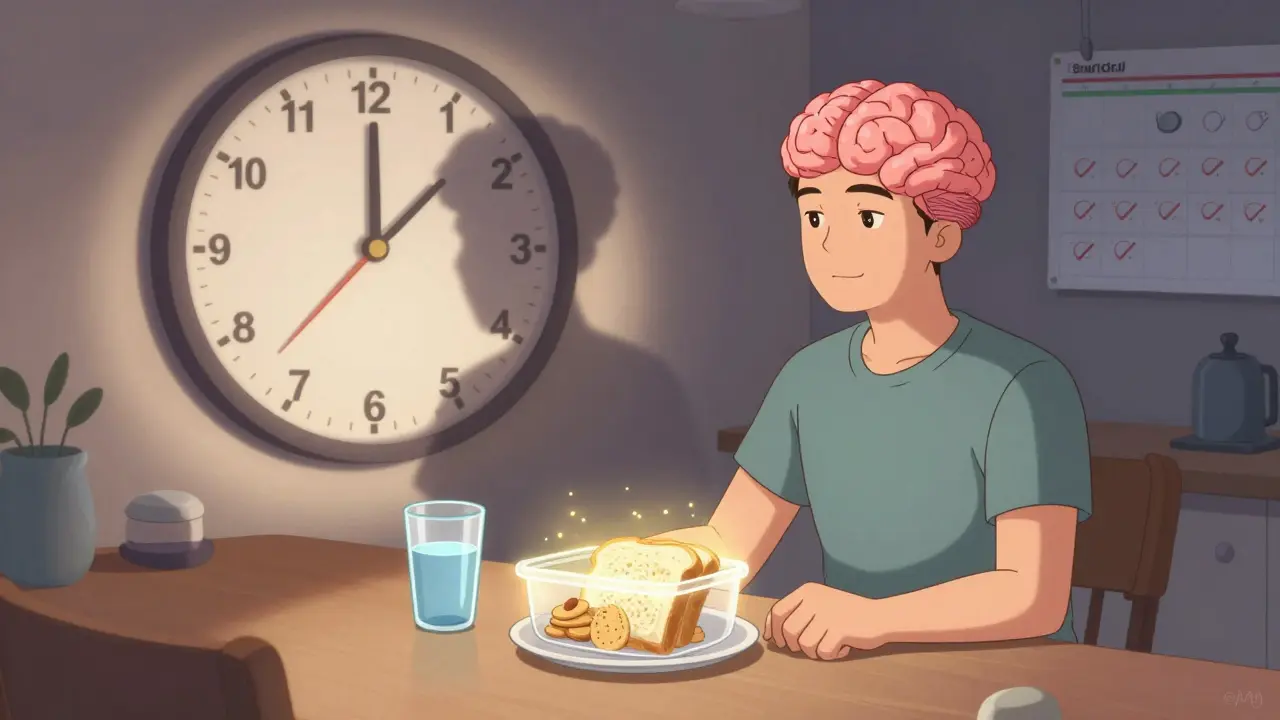
When to Talk to Your Doctor
Don’t stop your medication on your own. Abruptly quitting antipsychotics, antidepressants, or seizure meds can cause serious withdrawal - including rebound anxiety, insomnia, or even seizures. Instead, schedule a conversation with your prescriber if:- You’ve gained more than 5% of your body weight in three months
- Your appetite changes are affecting your mental health or self-esteem
- You’re developing symptoms of prediabetes or high blood pressure
Real People, Real Results
Online communities are full of stories about managing this issue. One man on r/antipsych shared how he gained 30 pounds on quetiapine in four months. He didn’t quit - he started walking 45 minutes every day, switched to whole grains, and began meal prepping. Within six months, he lost 22 pounds. His mood stayed stable. Another woman on Patient.info said she felt like she was “starving all the time” on olanzapine. She started keeping a food journal and noticed she was snacking late at night out of boredom, not hunger. She began reading before bed instead - and cut her nighttime calories by half. Digital tools like Noom have also helped. In a 2022 trial, users managing medication-related weight gain with personalized coaching reported 45% satisfaction - compared to just 28% with standard advice.
What’s Changing in Medicine
The medical world is finally catching up. In 2023, the FDA started requiring drug makers to report detailed weight change data for new psychiatric medications. That’s a big shift - it means future drugs will be judged not just on how well they treat symptoms, but also on how they affect your body. Pharmaceutical companies are now developing “appetite-neutral” versions of old drugs. KarXT, a new treatment for schizophrenia, caused only 0.4 kg of weight gain in five weeks - compared to 3.2 kg for olanzapine. That’s a game-changer. Meanwhile, primary care doctors are getting better at screening. In 2015, only 35% checked for medication-induced weight gain. By 2022, that number jumped to 65%. More awareness means more help.Bottom Line
Appetite changes from medication aren’t a personal failure. They’re a side effect - one that’s predictable, measurable, and manageable. You don’t have to choose between feeling better mentally and feeling worse physically. With the right strategies, you can do both. Start by tracking your weight and hunger patterns. Talk to your doctor before making any changes. Try small, consistent habits - water before meals, protein snacks, meal prep, mindful eating. These aren’t quick fixes. They’re long-term tools that work with your body, not against it. You’re not powerless. You just need the right information - and the right support.Can medication make you lose weight?
Yes, some medications can cause weight loss. Amphetamines (used for ADHD or narcolepsy), topiramate (for seizures or migraines), and metformin (for diabetes) are common examples. They work by suppressing appetite or improving how your body uses energy. Bupropion, an antidepressant, is also known to cause modest weight loss in many users. But weight loss isn’t always healthy - if it’s unintentional or extreme, talk to your doctor to rule out other issues.
Why do antidepressants cause weight gain after months of use?
Early on, SSRIs like sertraline or fluoxetine may reduce impulsive eating and increase fullness. But over time, your brain adapts. Serotonin receptors become less responsive, which can trigger cravings for carbs and sugar. This is especially true after 12 months of use. About 35% of long-term users report this shift, often noticing they’re eating more snacks or late-night meals without feeling hungry.
Is it safe to stop a medication if it’s making me gain weight?
No, it’s not safe to stop abruptly. Stopping antipsychotics, antidepressants, or seizure meds suddenly can cause serious withdrawal symptoms - including rebound anxiety, insomnia, nausea, or even seizures. Always talk to your doctor first. They can help you taper off slowly or switch to a different drug with fewer side effects. Your mental or physical health is more important than the number on the scale - but you don’t have to sacrifice one for the other.
How long does it take for appetite changes to happen after starting a new drug?
It varies. Some people notice changes within days - especially with amphetamines or topiramate. For antipsychotics like olanzapine, appetite increases often show up within 2-4 weeks. Weight gain typically becomes noticeable after 6-10 weeks. The most dramatic changes happen in the first three to six months. That’s why experts recommend checking your weight weekly during this time.
Are there any medications that don’t affect appetite at all?
Yes. Some newer medications are designed to be weight-neutral. Vortioxetine (an antidepressant), bupropion, and metformin typically cause little to no weight change. Newer drugs like Auvelity and KarXT are showing less than 1 kg of average weight gain in clinical trials. If weight is a concern, ask your doctor about alternatives. There’s often a choice - and it’s worth discussing.
Can exercise help counteract weight gain from medication?
Yes, especially resistance training. Lifting weights or doing bodyweight exercises 2-3 times a week builds muscle, which raises your resting metabolic rate by 50-100 calories per day. That doesn’t sound like much, but over a year, it can prevent 5-10 pounds of weight gain. Combine it with walking or cycling, and you’re not just burning calories - you’re improving insulin sensitivity and mood, which helps break the cycle of emotional eating.
Do I need to see a dietitian if my medication is affecting my appetite?
It’s not required, but it’s very helpful. A registered dietitian who understands medication side effects can create a personalized plan that works with your treatment - not against it. They can help you choose foods that keep you full longer, manage cravings, and avoid nutrient gaps. Many hospitals and mental health clinics now offer this service as part of routine care.
Can I use weight loss supplements to manage medication-induced weight gain?
Be very careful. Most over-the-counter weight loss supplements aren’t tested for interactions with psychiatric or chronic disease medications. Some can raise blood pressure, cause heart rhythm issues, or interfere with how your body processes your prescriptions. Even natural products like green tea extract or Garcinia cambogia can have risks. Stick to proven lifestyle changes - diet, movement, sleep - and talk to your doctor before trying anything else.
Donna Macaranas
February 1, 2026 AT 11:05Just wanted to say this post saved my sanity. I was on mirtazapine for a year and gained 18 pounds without even realizing why. Started drinking water before meals and meal prepping on Sundays - no magic, just consistency. Lost 12 pounds in 4 months and my mood didn’t drop. You’re not broken, you’re just on the wrong med for your body.
Also, no one talks about how hard it is to cook for yourself when you’re depressed. Having pre-portioned snacks made all the difference.
Rachel Liew
February 2, 2026 AT 04:43i just wanted to say thank u for this. i was feeling so guilty for gaining weight on my antidepressant but now i get it’s not my fault. i started doing the water trick before meals and honestly it helps a lot. also i started eating almonds between meals and i dont crave sugar as bad. u guys r the best.
Lisa Rodriguez
February 4, 2026 AT 01:31Okay but can we talk about how insane it is that doctors still don’t routinely warn you about this? I got prescribed olanzapine and was told ‘it might make you sleepy’ - no mention of the 20-pound gain, the midnight Snickers runs, or the fact that I’d stare at my fridge like it owed me money.
My dietitian helped me switch to vortioxetine and I lost 15 lbs in 6 months without changing my routine. If your doc doesn’t bring up weight, ask them. It’s not rude - it’s your health.
Also - bupropion is a game changer. I went from mirtazapine to bupropion and my cravings vanished. Mood stayed stable. No drama. Just peace.
Lilliana Lowe
February 5, 2026 AT 10:09It’s mildly amusing that people treat this as some novel revelation. The pharmacokinetics of histamine H1 antagonism and serotonin receptor downregulation have been well-documented since the 1990s. The fact that laypeople are now ‘discovering’ that antipsychotics cause weight gain speaks less to medical innovation and more to the abysmal state of patient education. If you’re taking a drug that modulates neurotransmitter systems, you should expect metabolic consequences. The onus is on the patient to educate themselves - not on pharmaceutical companies to hand-hold.
Also, ‘meal prepping’ isn’t a ‘strategy.’ It’s basic nutrition. If you can’t manage that, perhaps you shouldn’t be managing your own mental health regimen.
vivian papadatu
February 6, 2026 AT 21:13Thank you for this. I’m from India and my doctor here didn’t even mention weight gain as a side effect. I gained 14kg on quetiapine and felt so ashamed. Then I found this post and realized I wasn’t weak - I was just on the wrong med.
I started walking 30 mins after dinner (no phone, just me and the night air) and swapped white rice for brown. Lost 8kg in 5 months. My therapist said my mood improved too - maybe because I stopped hating my reflection.
PS: You’re not alone. 🌱
Melissa Melville
February 8, 2026 AT 05:33So let me get this straight - you’re telling me the same pills that make me feel less suicidal also make me feel like I’m in a never-ending Hunger Games? Cool. Cool cool cool.
Thanks for the advice, but I’m just gonna keep eating cereal straight from the box at 2am. At least it’s consistent.
Deep Rank
February 9, 2026 AT 17:17you know what this is really about? its not the meds its the sugar industry and the pharma companies working together to keep you addicted to food and pills so you keep buying both. they dont want you to lose weight because then you stop needing the meds and the snacks and the supplements and the gym memberships and the weight loss apps and the dietitians and the whole system collapses. its all a scam. you think you’re managing your health but you’re just feeding the machine. i know because i used to work for a drug rep. they told us to downplay the weight gain. they said ‘people will stay on it longer if they think its their fault’.
you think you’re fighting cravings? you’re fighting a billion dollar lobby. good luck.
Naomi Walsh
February 10, 2026 AT 08:24It’s frankly embarrassing that this level of basic physiology is being presented as groundbreaking advice. The hypothalamic regulation of ghrelin and leptin is taught in undergraduate neuropharmacology. The suggestion that ‘drinking water before meals’ is a ‘proven strategy’ is not just reductive - it’s insulting to anyone who has ever opened a textbook. If you’re relying on meal prep and almonds to counteract the metabolic impact of antipsychotics, you’re not managing your condition - you’re bandaging a bullet wound with duct tape.
Real solution? Switch to a drug with a lower affinity for H1 and 5-HT2C receptors. Done. No lifestyle hacks required. But of course, the medical establishment prefers to blame the patient rather than the drug design.
Bob Cohen
February 10, 2026 AT 21:30Lmao at the people acting like this is news. I’ve been on antipsychotics since 2018. I gained 30 lbs. I started walking every night. I stopped buying chips. I ate protein first. I didn’t become a fitness influencer - I just stopped being dumb.
Also, I didn’t need a dietitian. I needed to stop pretending I was ‘too tired’ to cook. I made scrambled eggs every night. That’s it.
Stop overcomplicating it. Your body isn’t broken. You’re just eating like you’re still on vacation.
Aditya Gupta
February 12, 2026 AT 14:08bro i was on risperidone and lost 10kg in 3 months without trying. i thought i was getting better mentally but turns out i was just starving. i started eating peanut butter on toast before bed and boom - stable again. no drama. no fancy apps. just food.
if ur hungry, eat. if ur tired, rest. dont let anyone make you feel guilty for needing to survive.
Jaden Green
February 14, 2026 AT 01:39Let’s be real - this whole ‘manage your appetite’ narrative is just corporate wellness propaganda. You think they care if you gain weight? No. They care if you stay compliant. If you gain 20 pounds and still take your pill every day, they win. If you lose weight and stop taking it because you ‘feel better’? They lose.
These drugs are designed to keep you dependent. The ‘strategies’ they give you? They’re not for your health. They’re for your continued consumption. The fact that you’re even trying to ‘fix’ this with meal prep shows how deeply you’ve internalized the lie that you’re responsible for this side effect.
Wake up. You’re not failing. The system is.
Angel Fitzpatrick
February 15, 2026 AT 23:46They don’t want you to know this, but every single one of these meds is laced with glyphosate and artificial sweeteners to trigger insulin spikes and cravings. The FDA knows. The WHO knows. But they won’t say anything because Big Pharma owns the FDA, the AMA, and your doctor’s continuing education credits.
That ‘water before meals’ trick? It’s a placebo. The real fix is switching to organic, non-GMO, cold-pressed supplements - and avoiding all processed foods that contain ‘natural flavors’ (which is code for neurotoxins).
And don’t even get me started on KarXT - it’s not a ‘new drug,’ it’s a stealth GMO modification disguised as science. The patent was filed in 2019 by a subsidiary of a defense contractor. Coincidence? I think not.
They’re not trying to help you. They’re trying to control your microbiome. Your appetite is just the entry point.