
Digital Therapeutics and Medication Interactions: What You Need to Know in 2026
 Feb, 3 2026
DTx-Medication Interaction Checker
Check Your Medication-DTx Interaction Risk
Select your medication and digital therapeutic to see potential interactions based on clinical evidence. Always consult your healthcare provider before making changes to your treatment.
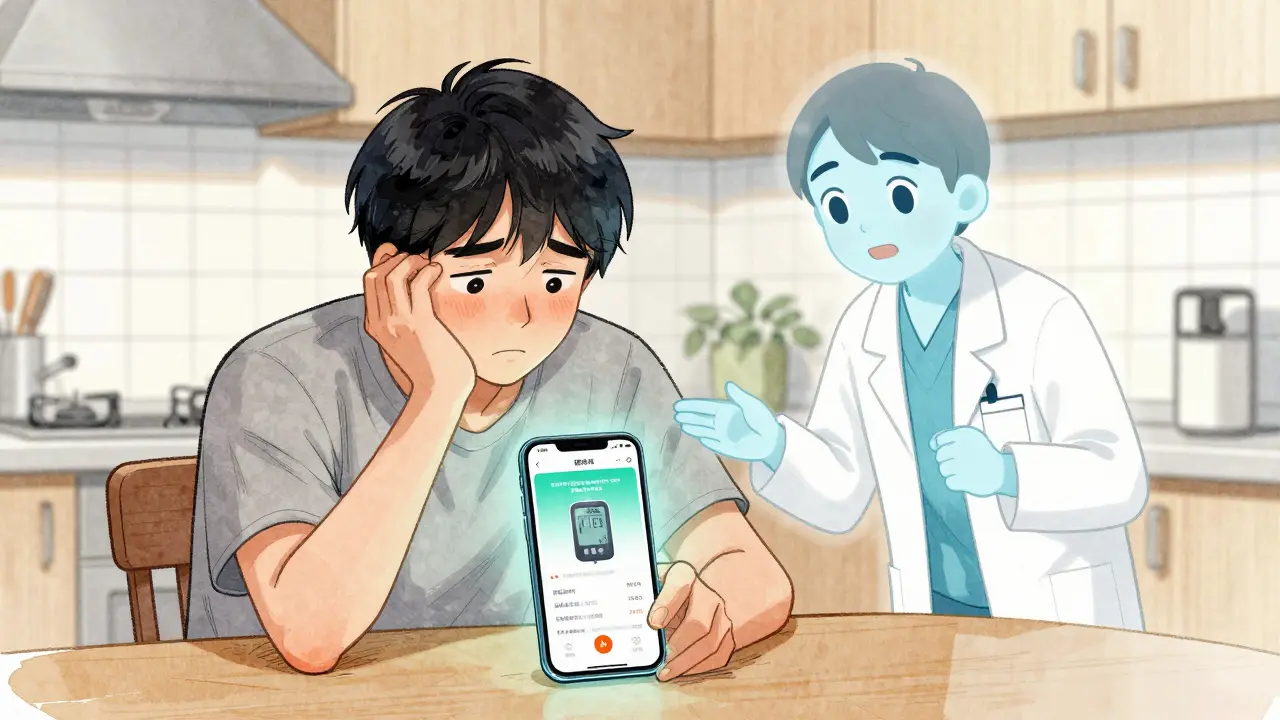
Imagine taking your diabetes medication every day, but your blood sugar still spikes. Your doctor says it’s not the drug-it’s you. You’re not skipping doses on purpose. You’re just overwhelmed. That’s where digital therapeutics come in. These aren’t apps that track steps or remind you to drink water. These are FDA-cleared software programs designed to treat disease. And they’re now being used alongside your pills, your insulin, your antidepressants. But here’s the catch: they don’t just help you take your meds. They can change how those meds work in your body.
What Exactly Are Digital Therapeutics?
Digital therapeutics (DTx) are software-based treatments approved by regulators like the FDA to manage, prevent, or treat medical conditions. Think of them as apps with a prescription stamp. The first one cleared was reSET in 2018 for substance use disorder. Since then, dozens more have followed. In September 2024, the FDA approved DaylightRx-a 90-day cognitive behavioral therapy (CBT) program for generalized anxiety disorder. This isn’t a wellness app. It’s a treatment. It works by guiding users through structured therapy sessions, tracking mood patterns, and adjusting content based on real-time feedback.
DTx aren’t one-size-fits-all. A diabetes DTx like DarioEngage connects to a glucose meter and gives real-time insulin dosing advice. A COPD DTx might pair with a smart inhaler that records when and how you use it. For ADHD, EndeavorRx uses video game mechanics to train attention circuits in kids. Each one is built on clinical data, tested in trials, and designed to change behavior-not just remind you.
How DTx Improve Medication Adherence
One in three prescriptions goes unfilled. That’s not laziness. It’s cost, confusion, fear, or forgetfulness. Traditional pharmacy follow-ups? They improve first-fill rates by 15-20%. Digital drug companions? They boost it by 30% or more. How? By doing things pills can’t.
- They show you real-time cost savings: “Your copay for this insulin is $12 today-here’s a coupon.”
- They respond to your mood: “You skipped your dose yesterday. Feeling anxious? Let’s talk about it.”
- They sync with your pharmacy: “Your refill is ready. Want us to schedule delivery?”
Medisafe reports that patients using DTx for chronic conditions like diabetes or anticoagulants see up to a 25% increase in adherence. That’s not a small win. For warfarin users, missing one dose can mean a stroke. For diabetics, skipping insulin for a few days can land you in the ER. DTx doesn’t just nudge you-it intervenes.
The Hidden Risks: When DTx and Medications Collide
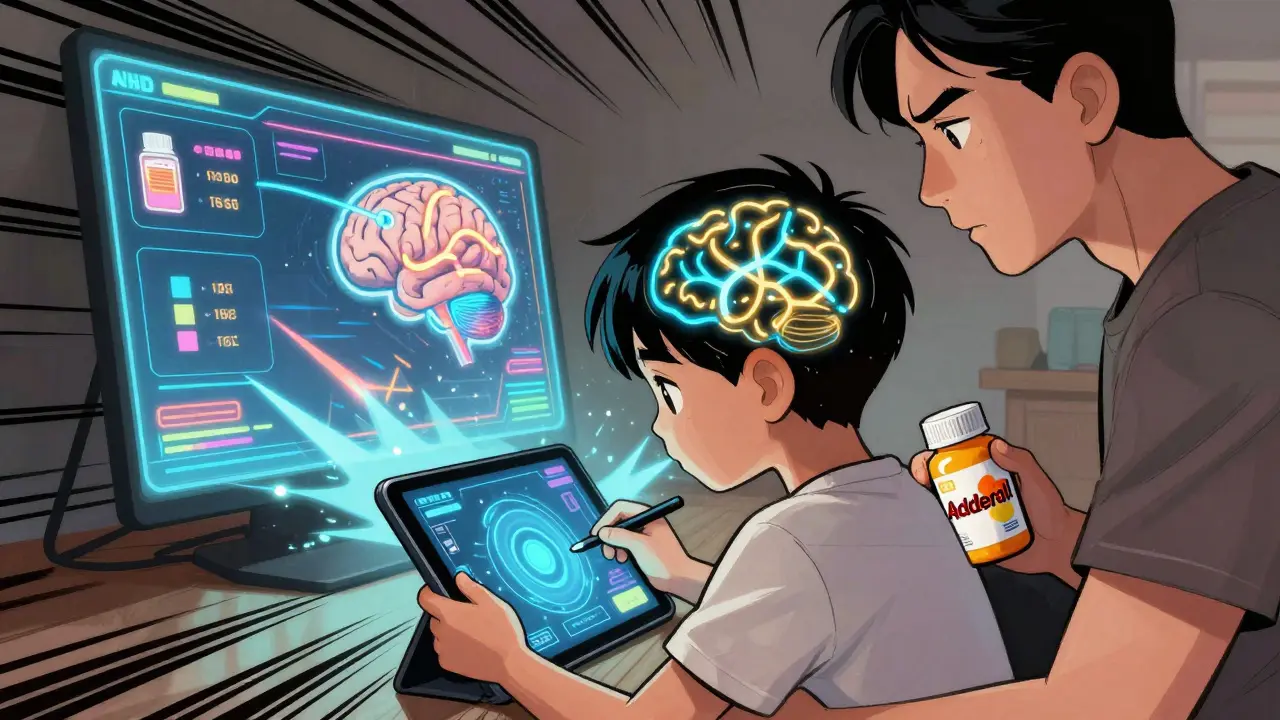
Here’s where things get tricky. DTx aren’t inert. They can influence how your body responds to drugs. Take EndeavorRx, the ADHD game therapy. Clinical trials found 7% of users had side effects like dizziness, nausea, or emotional upset. That’s not the game’s fault-it’s a side effect of intense cognitive stimulation. Now imagine someone on stimulant medication like Adderall. Could the combination overstimulate the nervous system? No one’s studied that yet.
Psychiatrists are raising red flags. Some patients using DTx for depression or anxiety report feeling “robotic” or disconnected from their therapist. One Reddit user said DaylightRx’s CBT modules felt “too generic” to address her specific side effects from sertraline. That’s a problem. If a DTx ignores how your meds make you feel, it’s not helping-it’s missing the point.
And then there’s data. DTx collect everything: sleep, mood, movement, even heart rate. That data feeds into your EHR. But what if a DTx flags “low activity” and your doctor reduces your beta-blocker dose? That could be dangerous if the low activity was caused by a flu, not heart issues. Without clear guidelines, DTx data could lead to unintended medication changes.
Who Benefits Most-and Who Gets Left Behind
DTx shine in chronic conditions where behavior is half the battle. Diabetes, mental health, asthma, COPD, opioid use disorder-all have proven results. In one study, DTx used with buprenorphine cut illicit opioid use by 16.3% more than buprenorphine alone. That’s life-changing.
But not everyone can use them. Patients over 65? A 2024 study found 45% quit within weeks if they didn’t get in-person help. For those over 70, it was 38% within 30 days. No tech support? No chance. Meanwhile, younger users rave. On Reddit, diabetics say DarioEngage helped them drop HbA1c by 1.5-2.0%. That’s better than most new drugs.
There’s also a gap in access. DTx are often tied to insurance or specialty pharmacies. If you’re uninsured, underinsured, or live in a rural area without reliable internet? Good luck. While 78% of top pharma companies now bundle DTx with high-cost drugs, those same drugs are often unaffordable without insurance. The tech is advanced. The system isn’t.
How DTx Are Changing the Future of Medication Management
The market for DTx is exploding. It was $3.8 billion in 2023. By 2028, it’ll hit $14.2 billion. Why? Because it works-and because payers are forcing it. By 2027, 65% of specialty pharmacy prescriptions will require a digital companion to qualify for coverage. That’s not a trend. It’s policy.
Doctors are starting to treat DTx like medicine. Some are writing “prescriptions” for apps. Pharmacists are being trained to review DTx for interactions. The FDA is preparing new guidance in Q2 2025 to require studies on DTx used alongside drugs-not just alone. That’s huge. It means we’ll soon have data on whether a DTx for anxiety affects how your antidepressant is metabolized.
And the future? Imagine this: your insulin pump, your DTx app, and your smartwatch all talk to each other. Your glucose levels are high. Your DTx notices you skipped breakfast. It checks your mood log-you’re stressed. It alerts your doctor: “Patient needs insulin adjustment and stress management.” Your doctor tweaks your dose. That’s not sci-fi. It’s coming by 2026.
What You Should Do Today
If you’re on long-term medication and struggling to stick with it:
- Ask your doctor: “Is there an FDA-cleared DTx that works with my treatment?”
- Don’t assume all health apps are the same. Only those with “FDA-cleared” or “prescription” in the description count.
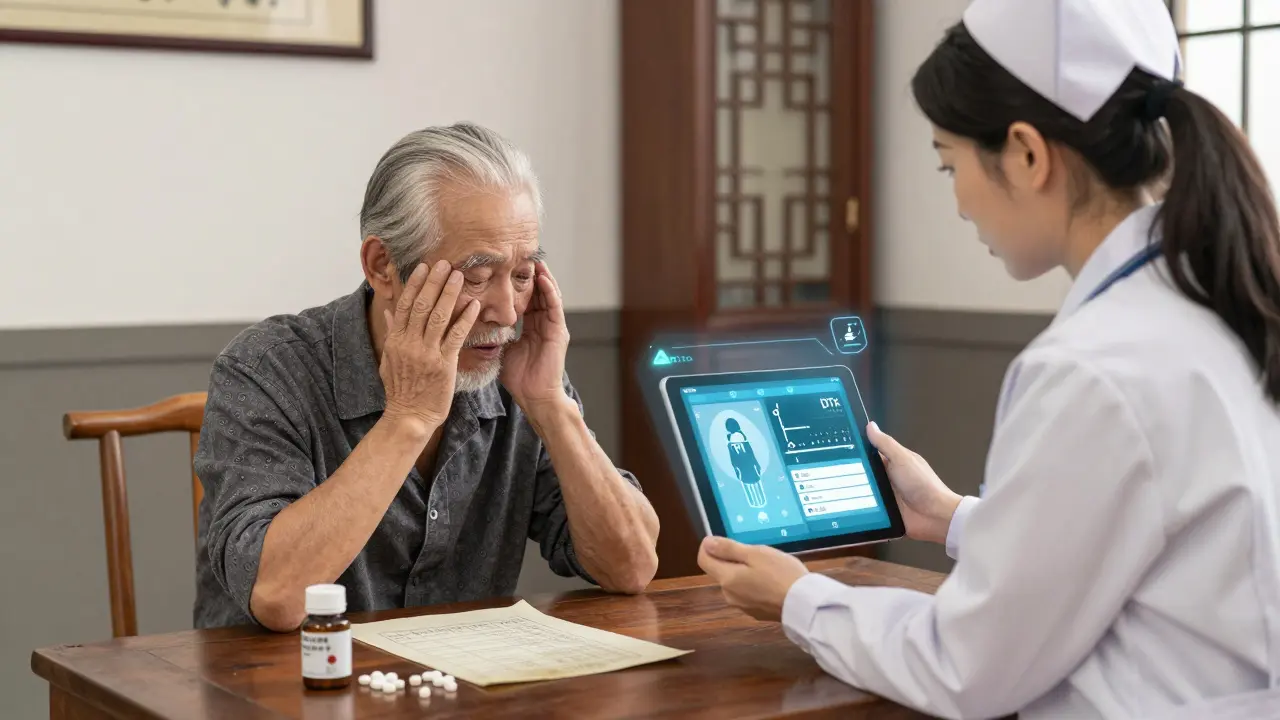
- If you’re over 65 or not tech-savvy, ask for a “DTx navigator”-a staff member trained to help you set it up.
- Track how you feel. If the app makes you anxious, dizzy, or more frustrated, tell your provider. That’s not a bug-it’s a signal.
If you’re a caregiver or clinician: Don’t just hand someone a QR code. Walk them through it. Pair the app with a human touch. That’s the difference between a tool that helps-and one that gets deleted after a week.
What’s Next?
Digital therapeutics aren’t replacing pills. They’re becoming part of them. The line between software and medicine is vanishing. In five years, we may not even call them “apps.” We’ll call them “treatments.”
But for now, the biggest risk isn’t technology. It’s assuming DTx are simple. They’re not. They’re powerful. They can save lives. Or they can cause harm if used without understanding how they interact with your body, your meds, and your daily life.
Stay informed. Ask questions. And remember: the best treatment isn’t the one with the fanciest app. It’s the one you can stick with.
Are digital therapeutics covered by insurance?
Yes, but only if they’re FDA-cleared prescription DTx and prescribed by a licensed provider. Most private insurers and Medicare Advantage plans now cover DTx for conditions like diabetes, ADHD, and anxiety-especially when tied to high-cost medications. However, coverage varies by state and plan. Always check with your insurer and ask your doctor for the specific DTx code before starting.
Can digital therapeutics replace my medication?
Only in rare cases. DaylightRx, for example, is approved as a standalone treatment for generalized anxiety disorder. But most DTx are designed as adjuncts-to help you take your meds better, not skip them. Never stop or change your medication without talking to your doctor. DTx support treatment; they don’t substitute for it.
Do digital therapeutics have side effects?
Yes. While they don’t cause chemical side effects like nausea or drowsiness, they can trigger physical or emotional reactions. EndeavorRx caused dizziness, headache, and irritability in 7% of users. Others report frustration, screen fatigue, or anxiety from constant monitoring. These aren’t rare. If you feel worse after using a DTx, tell your provider. It might be the app-not your condition.
How do I know if a digital therapeutic is real or just a wellness app?
Look for FDA clearance. Real DTx will say “FDA-cleared,” “prescription,” or “Rx” on their website or app store listing. They’ll also list clinical trial data and have a prescribing physician’s name on file. Wellness apps say “support,” “track,” or “improve.” DTx say “treat,” “cure,” or “reduce symptoms.” If it sounds too good to be true, it probably is.
Can DTx interact with my other medications?
Yes, and we don’t have full data yet. DTx can influence your body’s response to drugs by changing your behavior, sleep, stress levels, or even heart rate. For example, a DTx that improves sleep might help your blood pressure meds work better. But one that causes anxiety could reduce the effect of antidepressants. Always tell your pharmacist and doctor you’re using a DTx. They’re starting to track these interactions-but you need to start the conversation.
Joseph Cooksey
February 4, 2026 AT 00:32Let me tell you something nobody else will: digital therapeutics aren’t magic. They’re just another way for Big Pharma to nickel-and-dime you while pretending they care about your health. I’ve seen it firsthand-my cousin got prescribed this ‘DaylightRx’ thing for anxiety, and within two weeks, her insurance stopped covering her SSRIs because ‘the app was doing the work.’ Except it wasn’t. The app kept telling her to ‘breathe deep’ while her panic attacks got worse. She ended up in the ER because her doctor, relying on app data, cut her dose. No one asked if she was sleeping. No one asked if she was eating. Just ‘low activity detected’ and boom-meds reduced. This isn’t innovation. It’s a slow-motion bait-and-switch wrapped in a sleek UI.
And don’t get me started on the data harvesting. These apps track your heart rate, your sleep, your keystrokes, your mood logs. All of it gets fed into some corporate algorithm that decides whether you’re ‘adherent’ enough to keep your coverage. Meanwhile, your doctor is too busy scrolling through dashboard alerts to notice you’re crying during your Zoom visit. The FDA cleared these things? Yeah, because they’re too busy approving new opioids to ask how a video game for ADHD might overstimulate a kid on Adderall. We’re not treating patients. We’re optimizing user engagement metrics.
And yet, somehow, the same people who scream about surveillance capitalism are cheerleading this? You think your smartwatch is creepy? Wait till your insulin pump starts auto-adjusting because your DTx app decided your ‘stress score’ was too high. No human input. No clinical judgment. Just code. And when it fails? You’ll be the one with the kidney failure or the stroke, while the company issues a polite blog post about ‘user experience improvements.’
I’m not anti-tech. I’m anti-exploitation. If you want to help people, build systems that include therapists, pharmacists, and social workers-not replace them with chatbots that say ‘you got this!’ while you’re drowning. This isn’t healthcare. It’s behavioral engineering with a prescription label.
Keith Harris
February 4, 2026 AT 00:48Oh please. You’re all acting like DTx are some new form of corporate dystopia. Newsflash: people have been non-adherent for decades. We’ve tried pill dispensers, text reminders, nurse calls-you name it. None of it worked. DTx? They work because they adapt. They learn. They don’t just say ‘take your meds’-they say ‘you skipped yesterday, and your cortisol levels spiked. Want to talk about what happened?’ That’s not surveillance. That’s care.
And yes, there are edge cases. Of course there are. But you’re ignoring the data: 30%+ adherence gains? 25% fewer ER visits for diabetics? A 16% drop in opioid use when paired with buprenorphine? That’s not anecdotal. That’s life-saving. You want to talk about ‘bait-and-switch’? Try telling a 68-year-old who’s been paying $800/month for insulin that their app just saved them $4,200 in copays this year. They’re not ‘being exploited.’ They’re being empowered.
And the ‘data harvesting’ panic? Please. Your Fitbit knows more about your sleep than your doctor does. At least with DTx, the data goes to your EHR with your consent. It’s not being sold to advertisers. It’s being used to prevent strokes. If you’re worried about algorithms making decisions, then stop trusting your doctor’s guesswork based on a 15-minute visit. The future isn’t perfect. But it’s better than the status quo of ‘take this pill and hope for the best.’
Also, stop pretending ‘human touch’ is the answer. Who’s gonna pay for it? The system’s broken. DTx are the Band-Aid on a bullet wound-but at least it’s stopping the bleeding while we fix the system. You want to complain? Fine. But don’t ignore the people who aren’t dying because of this tech. They’re out here. And they’re grateful.
Kunal Kaushik
February 5, 2026 AT 02:58Hey, I'm from India and I just started using a DTx for my type 2 diabetes. It's called DarioEngage. Honestly? It changed my life. 🙏 I used to skip doses because I thought 'one day won't matter.' Now it tells me: 'Your sugar jumped 40 points after that sambar. Want to try a smaller portion next time?' It doesn't judge. It just helps. I even showed my dad (72) and he's using it now with help from his grandson. No tech fear here. Just real help. 💙
Also, the app sent me a coupon for my insulin when I was low on cash. That's not corporate greed. That's care. I don't need a therapist. I need someone who gets that I'm tired, stressed, and just trying to survive. This app does that. No fluff. Just real.
Mandy Vodak-Marotta
February 6, 2026 AT 15:59I work in a clinic and I’ve seen the shift firsthand. When we started offering DTx as part of treatment plans, our adherence rates jumped from 58% to 89% in six months. Not because patients got ‘scared’ or ‘tracked’-because they finally felt seen. One woman with depression told me her app noticed she hadn’t logged a meal in three days, then gently asked, ‘You okay? I’m here if you wanna talk.’ She cried. Not because she was being monitored-but because someone, even if it was an algorithm, noticed she was disappearing.
And yes, the data gets messy. I’ve had patients get their beta-blocker doses lowered because their DTx flagged ‘low activity.’ Turns out, they had the flu. But here’s the thing: we caught it. We called them. We didn’t just assume. The app flagged it. The human stepped in. That’s the combo. Not tech OR humans. Tech AND humans.
My biggest win? A 74-year-old man who hadn’t taken his anticoagulant in 11 months. His DTx noticed. It sent a voice note in his native dialect (he’s from Puerto Rico). It said, ‘Hey, Luis. I know you’re tired. But your wife still needs you. Let’s get you back on track.’ He called me the next day. Said he hadn’t heard his wife’s voice in months. The app used his own words. It knew his history. It knew his fears. And it reached out. That’s not cold tech. That’s love coded.
Yeah, there are risks. But the bigger risk is doing nothing. We’ve been doing nothing for decades. Now we have tools that don’t just remind. They connect. And that? That’s worth fighting for.
Alec Stewart Stewart
February 6, 2026 AT 23:40Just wanted to say thanks for writing this. I’m a nurse, and I’ve been using DTx with my elderly patients. It’s not perfect, but it’s the best thing we’ve had in years. My guy, Frank-he’s 81, hates phones, can’t read small text. We set up his DTx with a voice assistant. Now he says, ‘Hey Siri, remind me to take my pill.’ And it talks back: ‘Frank, your blood pressure was high yesterday. Want to sit down and chat?’ He does. He talks about his wife. He cries. He takes his meds. That’s not tech. That’s dignity.
And for the folks scared about data? I get it. But here’s the truth: your doctor already knows your HbA1c. Your pharmacist knows your refill history. The DTx just helps us all work together. It’s not replacing us. It’s giving us more time to be human.
If you’re over 65 and it feels overwhelming? Ask for a navigator. Seriously. Most clinics have one now. They’ll sit with you, teach you, and even call you on the phone. No shame. No pressure. Just help.
And if you’re a provider? Don’t just hand out a QR code. Walk them through it. Hold their hand. That’s the magic. Not the app. The person behind it.
Meenal Khurana
February 8, 2026 AT 23:01Sherman Lee
February 10, 2026 AT 05:02Okay, real talk: who’s really behind these DTx apps? I did a deep dive. One of the biggest developers is funded by a private equity firm that also owns a major pharmacy benefit manager. Coincidence? Or is this just another way to push higher-margin ‘digital’ products while phasing out cheap generics? The FDA approves them fast, but never audits the algorithms. Ever. And the data? It’s all going to one of three companies that also sell your insurance. That’s not innovation. That’s consolidation.
And don’t get me started on the ‘FDA-cleared’ label. That’s not FDA-approved. It’s a loophole. They cleared it because it didn’t cause physical harm. Not because it actually works better than a human. The clinical trials? 90-day studies. With select populations. No elderly. No low-income. No non-English speakers. Just ‘tech-savvy’ folks who already had good healthcare.
Next thing you know, your doctor will be pressured to ‘prescribe’ a DTx instead of a $10 generic. And if you refuse? Your insurance denies coverage. You think this is about health? It’s about profit. And the people who can’t afford the tech? They’re getting left behind. Again.
And don’t tell me ‘it’s optional.’ It’s not. By 2027, 65% of prescriptions require it. That’s not choice. That’s coercion. And they’re calling it ‘innovation.’ I call it control.
Nathan King
February 10, 2026 AT 06:36While the preceding discourse has illuminated certain pragmatic and ethical dimensions of digital therapeutics, I must respectfully posit that the foundational premise of this technological paradigm remains inadequately contextualized within the broader framework of medical epistemology. The assertion that software-driven behavioral interventions constitute a legitimate therapeutic modality presupposes a reductive conflation of adherence metrics with clinical efficacy.
Regulatory clearance by the FDA does not equate to therapeutic equivalence. The clinical trials underpinning DTx approvals are predominantly non-inferiority studies with short-term endpoints, lacking long-term comparative effectiveness data against conventional care modalities. Furthermore, the integration of behavioral data into clinical decision-making introduces significant confounding variables-namely, the Hawthorne effect, algorithmic bias, and the absence of clinician-patient therapeutic alliance, which remains the single most robust predictor of positive outcomes in chronic disease management.
While the scalability of DTx is undeniably compelling from a public health economics standpoint, one must interrogate whether the substitution of algorithmic nudges for human clinical judgment constitutes progress-or, more accurately, a form of technocratic paternalism. The notion that a mobile application can meaningfully address the psychosocial determinants of non-adherence-poverty, trauma, social isolation-is not merely optimistic; it is ontologically unsound.
Thus, while I do not oppose innovation per se, I urge the medical community to resist the seduction of technological solutionism. The cure for non-adherence is not more data. It is more compassion. More time. More resources. Not an app.