
How to Choose the Right Generic Medication: A Patient's Guide to Bioequivalence and Safety
 Feb, 5 2026
Did you know that 9 out of 10 prescriptions filled in the United States are for generic medications? With so many options available, choosing between different generic versions of the same drug can feel confusing. You might wonder if all generics are the same or if some are safer than others. The truth is, while all FDA-approved generics must meet strict standards, there are important differences between them. This guide breaks down exactly what you need to know to make the safest choice for your health.
How the FDA Approves Generics
The FDA requires every generic medication to prove it works the same way as the brand-name drug. This means they must contain the same active ingredient, strength, dosage form, and route of administration. But how do they prove this? Through bioequivalence studies. These tests measure how quickly and completely the drug enters your bloodstream. For approval, the generic must deliver the active ingredient within 80% to 125% of the brand-name drug's levels. This range ensures the drug works similarly in your body. A common myth is that generics contain less active ingredient. That's not true. The FDA requires the amount of active ingredient to match exactly. The 80-125% range refers to how the body absorbs it, not the quantity in the pill. For example, a study published in Pharmacy Times found that approved generics differ from brand-name drugs by only 3.5% on average in how much drug reaches the bloodstream. A 2017 study in Circulation: Cardiovascular Quality and Outcomes by Leclerc et al. found that for the blood pressure medication candesartan, some generic versions had up to 15% differences in bioavailability compared to the brand-name version. While most patients didn't experience issues, those with heart conditions needed closer monitoring during the first month after switching.
Decoding the FDA's Orange Book
The FDA's Orange Book is your best tool for comparing generic medications. This official publication lists all approved generic drugs and their therapeutic equivalence ratings. Look for the "TE Code" next to each product. An "AB" rating means the generic is therapeutically equivalent to the brand-name drug and can be substituted safely. A "B" rating means there are differences in bioequivalence that may require caution. For example, some B-rated generics might have slightly different absorption rates. While still safe for most people, they might not be ideal for switching if you're already stable on a specific version.
| Rating | Meaning | When to Use |
|---|---|---|
| AB | Therapeutically equivalent to brand-name drug | Safe to substitute; best for most patients |
| B | May have bioequivalence differences | Use with caution; avoid switching if already stable |
When to Be Extra Cautious
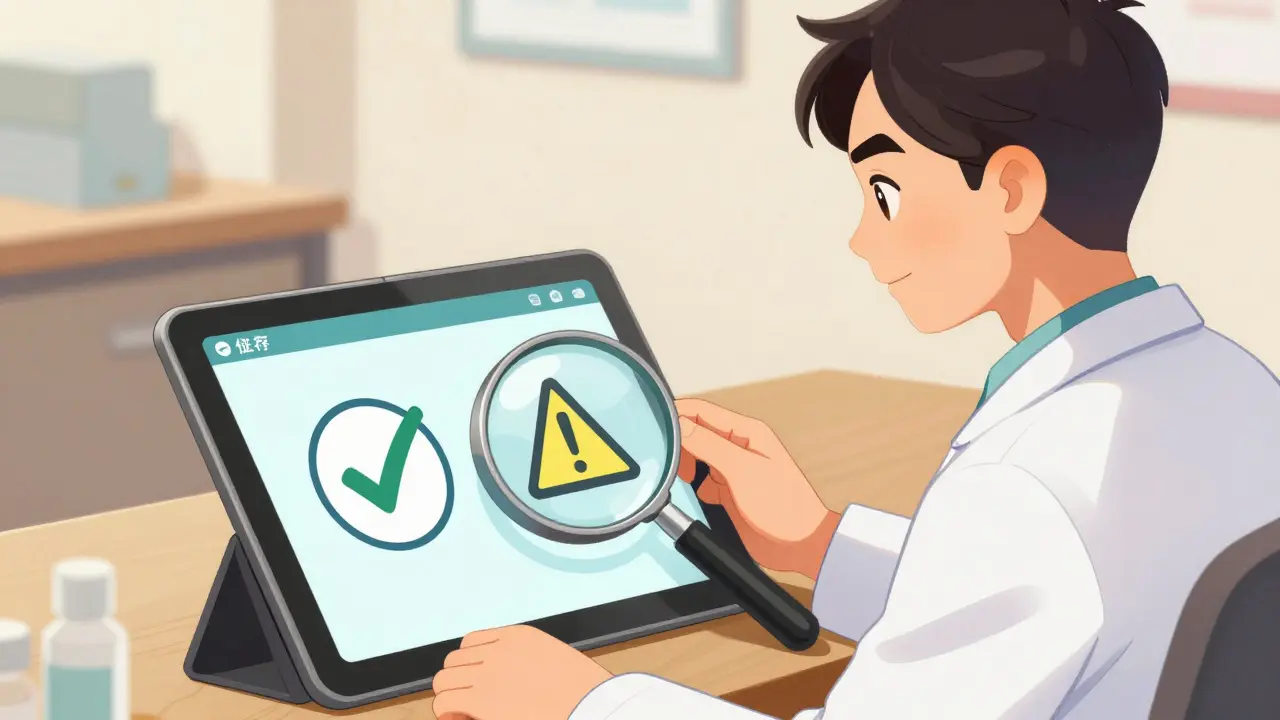
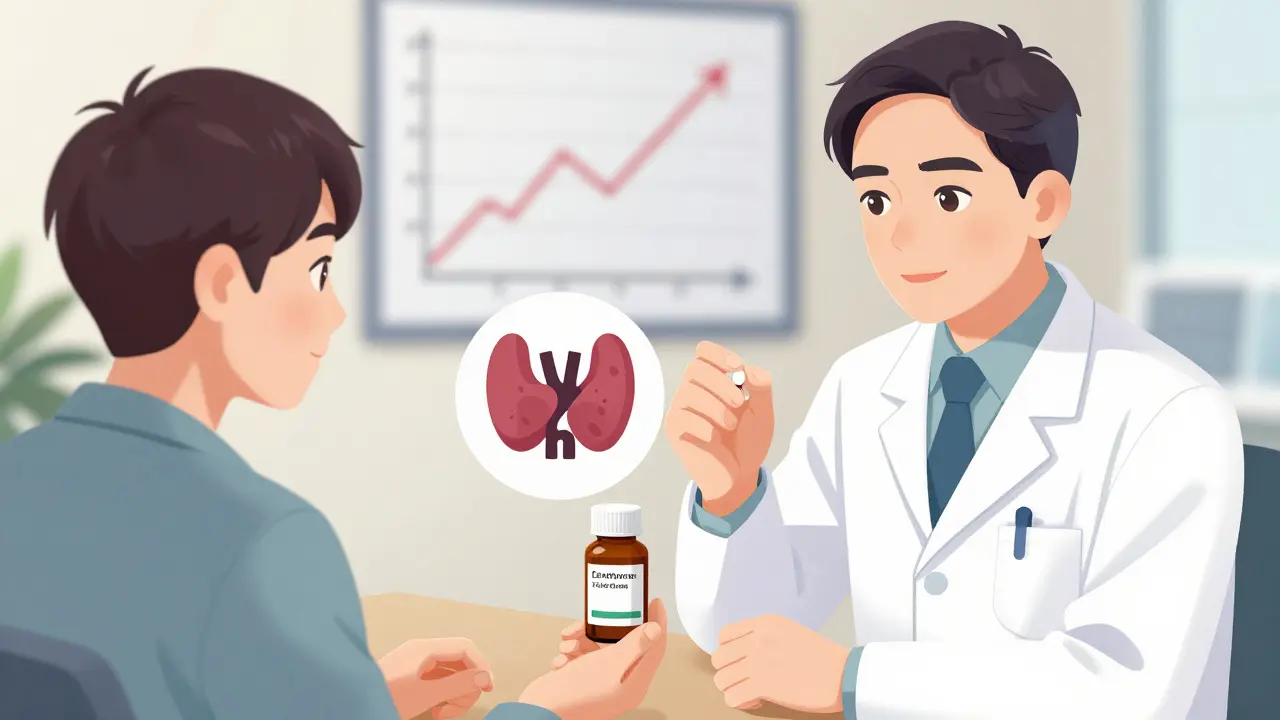
Some medications have a narrow therapeutic index. This means small changes in blood levels can cause serious side effects or make the drug ineffective. Drugs like warfarin (a blood thinner), levothyroxine (for thyroid issues), and digoxin (for heart conditions) fall into this category. The Endocrine Society recommends staying with the same manufacturer's version once you've stabilized. Switching between different generics for these drugs could lead to dangerous fluctuations. For instance, a slight change in levothyroxine dosage can cause symptoms like fatigue or heart palpitations. In 2021, the FDA issued a warning letter to multiple manufacturers of generic levothyroxine products regarding bioequivalence concerns, resulting in revised testing requirements implemented in March 2022. These changes ensure that even small variations in thyroid medication don't affect patients' health.
Practical Steps for Patients
When picking a generic medication, here's what to do:
- Ask your pharmacist to check the FDA's Orange Book for the TE code.
- If you're on a narrow therapeutic index drug, request the same manufacturer's version consistently.
- Check the prescription label for the manufacturer's name. Some pharmacies switch between generics without telling you.
- If you notice changes in how the medication works (like side effects or reduced effectiveness), contact your doctor immediately.
- For new prescriptions, B-rated generics may offer cost savings without issues. But for ongoing treatments, stick with AB-rated generics from a reliable manufacturer.
The Pharmacist's Role
Pharmacists play a critical role in this process. They're trained to review the Orange Book and consider your specific health needs. For example, if you take multiple medications, they'll check for interactions. The American Pharmacists Association advises pharmacists to note which manufacturer's generic you've been using. In 28 U.S. states, pharmacists must inform your doctor if they switch to a different manufacturer's generic. This helps prevent unexpected changes in how your medication works. For instance, if you've been stable on a specific generic version of digoxin for heart failure, your pharmacist should alert your doctor before switching to a different manufacturer's version.
Debunking Common Myths
Myth: All generics are identical. Reality: While they share the same active ingredient, inactive ingredients (like fillers) can vary. These differences sometimes affect how the drug is absorbed. Myth: Generics are less effective. Reality: The FDA requires generics to meet the same quality standards as brand-name drugs. Studies show most generics perform identically to their brand counterparts. Myth: Switching between generics is always safe. Reality: For some drugs like digoxin, even small changes in absorption can cause problems. Always consult your healthcare team before switching.
Frequently Asked Questions
What's the difference between AB and B ratings?
AB-rated generics are considered fully interchangeable with the brand-name drug. B-rated generics have bioequivalence differences that may require caution. For most drugs, AB-rated generics are the safest choice for substitution.
Can I switch between different generic brands?
For most medications, yes. But for drugs with narrow therapeutic indices (like warfarin or levothyroxine), it's best to stick with the same manufacturer. Always check with your pharmacist before switching.
Why do some generics cost more than others?
Price differences often come from manufacturing costs, competition, and state laws. More manufacturers usually mean lower prices. But sometimes, a specific manufacturer's version may be priced higher due to supply issues.
Should I always choose the cheapest generic?
Not necessarily. For critical medications, quality matters more than price. Ask your pharmacist about the TE code and manufacturer reputation. Cheapest isn't always best for your health.
How do I know which manufacturer made my generic?
Check the prescription label. It should list the manufacturer's name. If it's not clear, ask your pharmacist. You can also look up the National Drug Code (NDC) on the FDA's website.
Mark Harris
February 6, 2026 AT 23:15Check the Orange Book for TE codes! AB means safe swap, B means be careful. Especially for thyroid meds or blood thinners. Stay informed, stay healthy!
Natasha Bhala
February 7, 2026 AT 22:39this is really helpful thx for the info. always check the orange book. ab rating is best.
Jesse Lord
February 8, 2026 AT 23:42The Orange Book is essential for knowing which generics are safe to switch to AB rated means you can swap them easily but B rated you need to be careful especially for things like thyroid meds
AMIT JINDAL
February 9, 2026 AT 14:13I've been using generics for years and let me tell you there's a lot more to it than people think! The FDA's standards are okay but not perfect. Some manufacturers cut corners with fillers which can affect absorption. For example, levothyroxine can be tricky-switching brands might cause your thyroid levels to fluctuate. I've read studies that show even small changes can lead to serious issues like heart palpitations. So always check the manufacturer name on your prescription label. Don't just take whatever the pharmacy gives you. Also, the Orange Book is your best friend for checking TE codes. AB rating is safe, B rating is risky. And don't forget to ask your pharmacist about the specific brand. Also, inactive ingredients like lactose or dyes can cause allergies in some people. That's why it's important to know who made your generic. Some companies use better quality control than others. I've had issues with one brand but not another. It's all about consistency. The FDA should do more testing on generics. People's health is at stake here. 😊👍
Gouris Patnaik
February 9, 2026 AT 20:26India produces the best generics. FDA standards are weak compared to ours. Why trust US when we have better quality?
Catherine Wybourne
February 10, 2026 AT 12:19Oh, the FDA's Orange Book. Such a reliable source. Just kidding-of course it's the best place to check. AB ratings are great, but let's be real, some generics still have issues. Especially if you're on a narrow therapeutic index drug. Trust me, I'm not a doctor, but I've read some things.
Ritu Singh
February 12, 2026 AT 04:02It is imperative for patients to familiarize themselves with the FDA's Orange Book and the therapeutic equivalence ratings. AB-rated generics are considered fully interchangeable, whereas B-rated generics may necessitate caution. For medications with narrow therapeutic indices, such as warfarin or levothyroxine, consistency in manufacturer is paramount to avoid adverse effects.
Carol Woulfe
February 14, 2026 AT 02:24The FDA and Big Pharma are in cahoots. Generics are all the same because they're all made by the same companies. They just change the name to keep you buying. The Orange Book is a fake. They want you to think it's trustworthy but it's all a scam. Always check the NDC code yourself. I've done my research.
Bella Cullen
February 14, 2026 AT 12:58Meh. Generics are fine. Just use the cheapest one. Whatever.
Cole Streeper
February 15, 2026 AT 14:32US generics are terrible. Made in China with low-quality ingredients. FDA is corrupt. Always check the country of origin. Avoid anything not made in the USA.
Dina Santorelli
February 17, 2026 AT 04:34Switching generics is a gamble. I've seen people suffer from side effects. The FDA doesn't care. They just want you to take the cheapest option. Always stick with brand-name. It's the only way to be safe.
Matthew Morales
February 18, 2026 AT 12:38I always check the orange book before taking generics. AB rating is best. B rated can be risky. For thyroid meds, stick with same manufacturer. 😊
Mayank Dobhal
February 18, 2026 AT 18:41Generics can be life-saving but risky if you switch brands. Always check the manufacturer. My brother had a bad reaction after switching. Stay safe!
Savannah Edwards
February 20, 2026 AT 17:37I've been on levothyroxine for years and switching between different generic brands has been a real headache. One time I switched and started feeling really fatigued, and my heart was racing. Turned out the new generic had a slightly different absorption rate. The FDA's Orange Book is crucial here. Always check the TE code and if it's B-rated, talk to your pharmacist about staying with the same manufacturer. It's not just about cost-your health is worth it.
Marcus Jackson
February 21, 2026 AT 07:34The FDA's 80-125% range is for absorption, not active ingredient.