
Opioid Overdose: Signs, Emergency Response, and Naloxone Use
 Feb, 20 2026
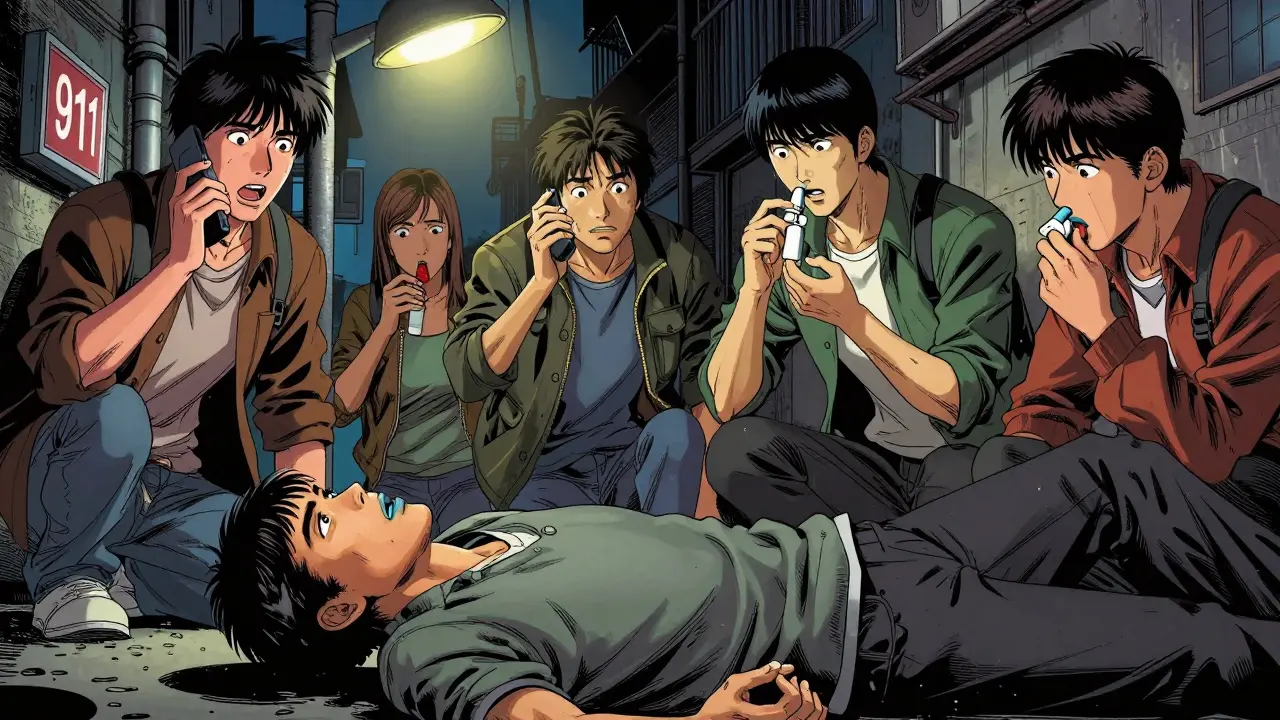
When someone overdoses on opioids, time isn’t just a factor-it’s the difference between life and death. In the UK and across the US, opioid overdoses are now one of the leading causes of accidental death. Many of these deaths happen because people don’t recognize the signs early enough, or they hesitate to act. But here’s the truth: opioid overdose is not a mystery. It has clear warning signs. And with the right knowledge, you can save a life in minutes-no medical degree required.
What Happens During an Opioid Overdose?
Opioids, whether prescription painkillers like oxycodone or illegal drugs like heroin and fentanyl, work by slowing down your brain’s breathing signals. That’s why they’re effective for pain relief. But when too much enters the system, those signals shut off completely. The person stops breathing. Oxygen stops reaching the brain. Brain cells begin dying within 4 to 6 minutes. Without help, death follows shortly after. This isn’t just a drug user problem. Many overdoses happen to people who didn’t even know they were taking opioids. Illicit pills sold as Xanax, Adderall, or even painkillers often contain fentanyl-a synthetic opioid 50 to 100 times stronger than morphine. One tiny dose can be fatal. That’s why even someone who’s used opioids before can overdose unexpectedly.How to Recognize an Opioid Overdose
You don’t need to be a doctor to spot the signs. Look for these three key symptoms, often called the “opioid overdose triad”:- Unresponsive to stimuli-Shake their shoulders, shout their name. If they don’t wake up or respond at all, that’s a red flag.
- Slow, shallow, or stopped breathing-Watch their chest. Are they breathing less than once every 10 seconds? Or not at all? Listen for gurgling, snoring, or choking sounds. These aren’t normal sleep noises-they’re signs of airway collapse.
- Pinpoint pupils-Shine a light on their eyes. If their pupils are tiny, like pinpricks, it’s a classic sign. (Note: Not everyone shows this, so don’t wait for it.)
- Blue, purple, or grey lips and fingernails
- Cold, clammy skin
- Limp body, as if completely limp
- Choking or gurgling noises that sound like they’re drowning
What to Do Immediately: The 3-Step Emergency Response
The good news? You don’t need to wait for paramedics to act. The first few minutes are yours to control. Follow this simple protocol:- Call 999 (UK) or 911 (US)-Right away. Don’t delay. Say: “I think someone is overdosing on opioids.” Give your location clearly. If you’re unsure of the exact address, describe landmarks.
- Give naloxone if you have it-Naloxone (sold as Narcan or Naloxone Nasal Spray) reverses opioid effects in minutes. Spray one dose into one nostril. If the person doesn’t respond in 2 to 3 minutes, give a second dose in the other nostril. You can’t overdose on naloxone. It won’t hurt someone who hasn’t taken opioids. If you’re unsure, give it anyway.
- Stay with them until help arrives-Naloxone wears off in 30 to 90 minutes. Opioids can last longer. The person could stop breathing again. Keep monitoring their breathing. If they stop, start rescue breathing: tilt their head back, pinch their nose, give one breath every 5 seconds. Don’t leave them alone.
How Naloxone Works-and Why It’s So Important
Naloxone isn’t a cure. It’s a temporary reset button. It works by kicking opioids off the brain’s receptors, letting breathing restart. But it doesn’t remove the drugs from the body. That’s why people need to be watched for hours after reversal. The best part? Naloxone is now widely available. In the UK, pharmacists can hand it out without a prescription. In the US, 49 states allow naloxone to be bought over the counter. Prices have dropped from over $130 a few years ago to under $50. Some community groups give it away for free. You don’t need training to use it. The nasal spray is designed for anyone-parents, teachers, shop workers, friends. It’s simple: peel, insert, press. No needles. No fear. And if you’re worried about doing it wrong? The CDC says: “Better to give it and be wrong than to wait and be too late.”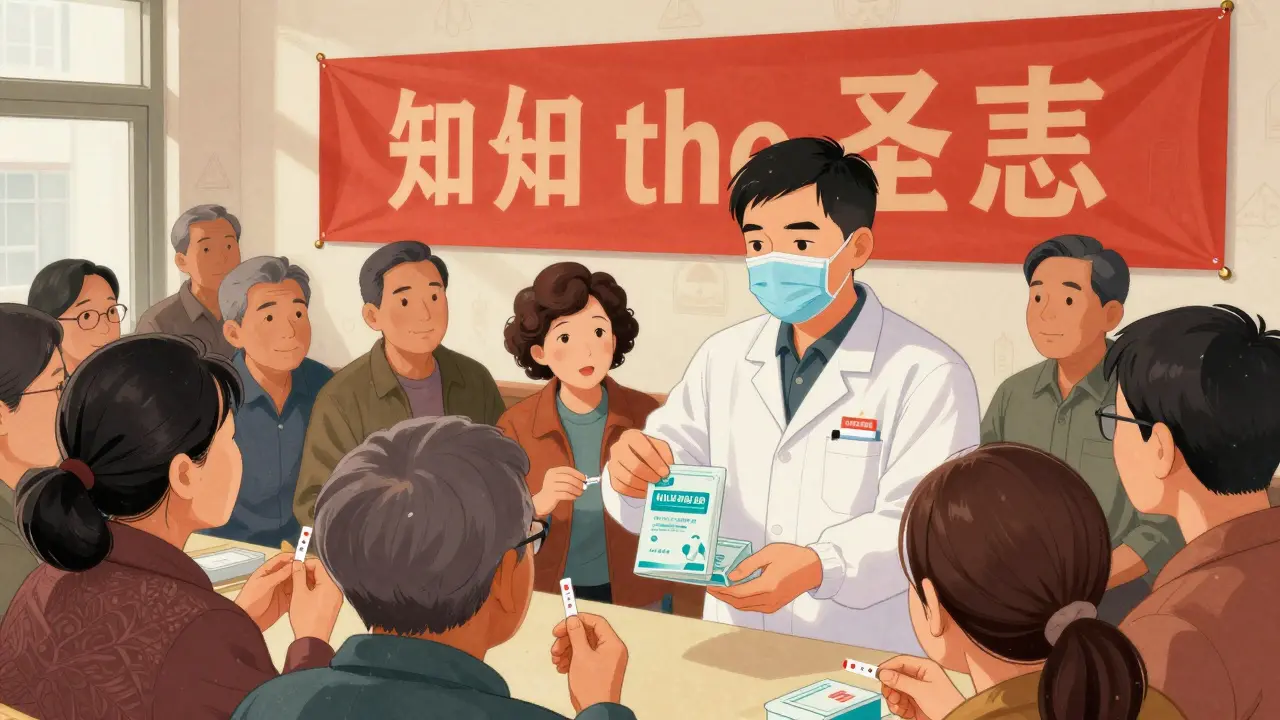
Why Fentanyl Makes Overdoses More Dangerous
Fentanyl is the biggest reason overdose deaths have skyrocketed. It’s cheap, potent, and often mixed into other drugs without the user’s knowledge. A pill that looks like a regular painkiller might contain enough fentanyl to kill five people. That’s why test strips matter. Fentanyl test strips cost less than a pound and can detect the drug in powders or pills. You crush a bit of the substance, mix it with water, dip the strip, and wait a few minutes. If it shows fentanyl, don’t use it. It’s not a guarantee of safety-but it’s a powerful tool to avoid the unknown.What Happens After Naloxone?
Reviving someone is just the first step. They need medical care. Even if they seem fine, internal damage can occur. Oxygen deprivation can affect the heart, kidneys, or brain. A hospital check-up is non-negotiable. Beyond physical recovery, many people need support to prevent another overdose. That means access to counseling, medication-assisted treatment (like methadone or buprenorphine), and mental health services. Overdose survivors often face shame, isolation, or trauma. Recovery isn’t just about quitting drugs-it’s about rebuilding a life.Who Should Have Naloxone?
Everyone who might be around someone at risk. That includes:- People who use opioids (prescription or illicit)
- Family members, partners, or friends of people who use opioids
- People who work in shelters, outreach programs, or community centers
- Anyone who lives in areas with high overdose rates
Real Impact: Stories That Matter
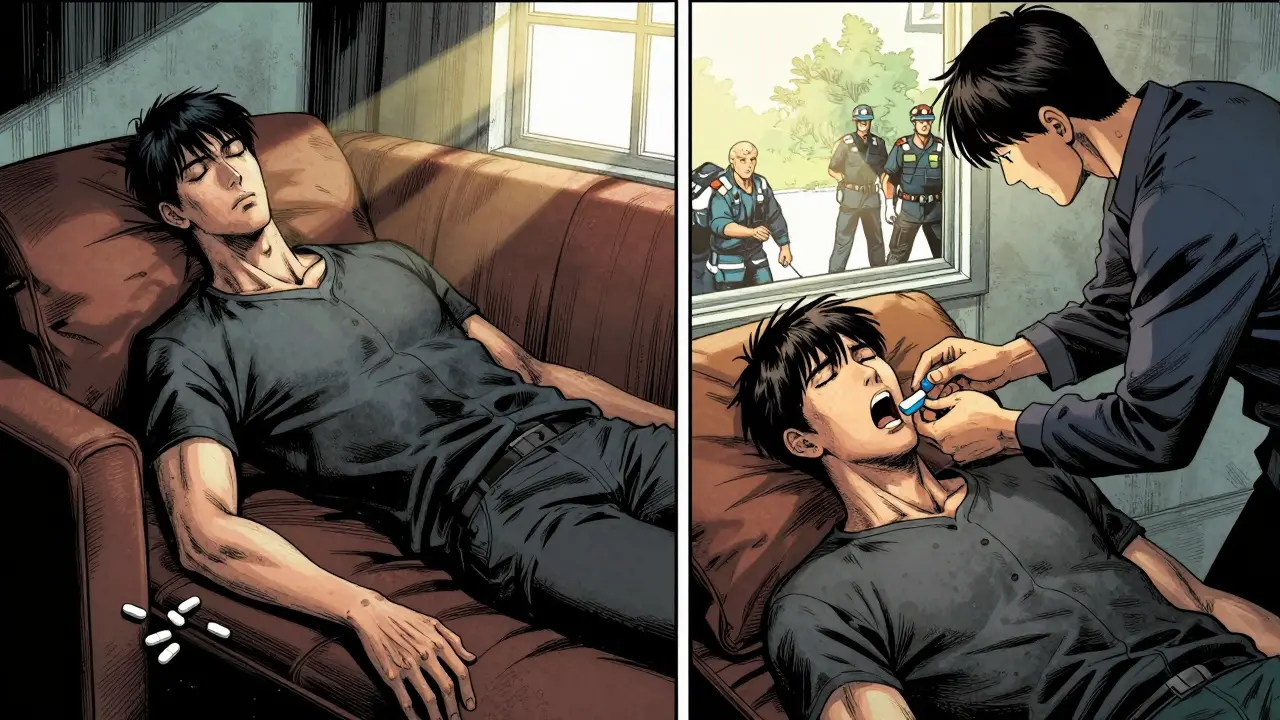
In Bristol, a local charity called Overdose Prevention UK started training bar staff and hostel workers to use naloxone. In the last year, they’ve reversed 17 overdoses. One man, 34, was found blue and still. A friend gave him two doses of naloxone. He woke up 10 minutes later. Today, he’s in recovery. He says: “I didn’t know I was going to die. But my friend knew what to do.” That’s the power of knowledge. No heroics. No fancy equipment. Just two doses, a clear head, and courage to act.How to Get Naloxone
In the UK, you can get naloxone for free from:- Pharmacies (ask for it-no prescription needed)
- Drug and alcohol support services
- Local harm reduction programs
Final Thought: You Can Be the One
Opioid overdose isn’t a distant problem. It’s happening in cities, towns, and homes right now. You don’t need to be a medic. You don’t need to be brave. You just need to know the signs, know what to do, and be willing to act. If you see someone unresponsive, with slow breathing and blue lips-don’t panic. Don’t wait. Call for help. Give naloxone. Start rescue breathing. Stay with them. One action. One moment. One life saved.Can naloxone harm someone who hasn’t taken opioids?
No. Naloxone only works if opioids are present in the system. If someone hasn’t taken opioids, naloxone has no effect. It won’t cause harm, addiction, or side effects. If you’re unsure whether someone overdosed, give naloxone anyway. It’s safe and could save a life.
How long does naloxone last, and why might someone need more than one dose?
Naloxone typically works for 30 to 90 minutes. But many opioids, especially fentanyl, last much longer. Once naloxone wears off, the opioid can rebind to brain receptors and stop breathing again. That’s why multiple doses are often needed. Always stay with the person until emergency help arrives-even if they wake up.
Is it possible to overdose on fentanyl just by touching it?
No. Fentanyl is dangerous if ingested, inhaled, or injected-but skin contact won’t cause overdose. You can’t absorb enough through the skin to be harmful. Still, avoid handling unknown powders or pills. Wash hands after contact, and never use drugs you didn’t get from a pharmacy.
Can you overdose on prescription opioids like oxycodone or hydrocodone?
Yes. Prescription opioids carry the same overdose risk as heroin or fentanyl. People who take them as directed are at lower risk-but mixing them with alcohol, benzodiazepines, or taking extra doses can be deadly. Many overdoses happen to people who were following their doctor’s orders.
What should you do if the person starts breathing again after naloxone?
Keep monitoring them. They may be confused, agitated, or in withdrawal. Do not let them leave alone. Stay with them until paramedics arrive. Even if they seem fine, internal damage or delayed re-overdose can happen. Call 999/911 and insist they get medical evaluation.
Tommy Chapman
February 22, 2026 AT 03:29Let me get this straight - we’re handing out life-saving drugs like candy now? No background check, no training, no accountability? This isn’t empowerment, it’s negligence. People who choose to use opioids shouldn’t be coddled with free naloxone - they should be held responsible for their choices. If you’re dumb enough to take a pill you don’t know the contents of, you deserve what you get. Stop treating addiction like a public service issue and start treating it like a personal failure.
Hariom Sharma
February 22, 2026 AT 13:11Bro, this post is pure gold 🙌 I live in India and we don’t have this kind of awareness yet, but I’m sharing this with everyone I know. Even if one person learns how to use naloxone, it could save a life. No judgment, just action. You don’t need to be a hero - just be the friend who doesn’t panic. Keep spreading this info - we need more of this in every corner of the world.
Nina Catherine
February 24, 2026 AT 03:24omg this is so important!! i just learned about fentanyl test strips today and i’m ordering some for my roomie who’s on pain meds - not because i think she’ll do anything crazy, but just in case. also i keep naloxone in my purse now lol. i had no idea it was this easy to get!! thanks for explaining it so clearly!! p.s. i typoed like 5 times in this comment but you get the vibe 😅
Taylor Mead
February 25, 2026 AT 00:03Appreciate the no-nonsense breakdown. Real talk - if you’re around someone who uses opioids, having naloxone isn’t optional. It’s like a fire extinguisher. You hope you never need it, but if you don’t have one and something goes wrong? You’ll regret it forever. I keep two in my car. My sister’s a nurse and she said the same thing: ‘Better to use it and look dumb than not use it and watch someone die.’
Amrit N
February 26, 2026 AT 04:15yeah man this is legit. i work at a community center and we got a free naloxone kit last month. didn’t think i’d ever use it… then last week a guy passed out in the bathroom. we sprayed him, he woke up 3 mins later. no drama, no panic. just did what the post said. he’s okay now. thanks for the info. also i typed this on my phone so sorry if it’s messy 😅
Courtney Hain
February 27, 2026 AT 10:38Okay but let’s be real - this whole ‘naloxone for everyone’ movement is a Trojan horse for drug legalization. Who funds these programs? Who’s pushing for over-the-counter access? Who’s lobbying to remove prescription requirements? It’s not about saving lives - it’s about normalizing addiction. And don’t get me started on fentanyl test strips - they’re a distraction. If you’re testing your drugs, you’re already deep in the system. This isn’t harm reduction - it’s harm promotion. The real solution is zero tolerance, mandatory rehab, and locking up dealers. Why are we giving out free antidotes instead of prosecuting the cartels? The government’s got this backwards. And don’t even get me started on how the media paints users as victims. They’re not victims - they’re enablers of their own destruction. This isn’t compassion - it’s surrender.
Greg Scott
February 28, 2026 AT 20:44Just wanted to say thanks for writing this. My cousin OD’d last year. We didn’t know what to do. He made it, but barely. Now I carry naloxone in my wallet. It’s not about politics. It’s about being ready. If you see someone who looks dead, don’t wait. Do something.
Caleb Sciannella
March 2, 2026 AT 18:29While the practical guidance provided here is both accurate and commendable, it is worth contextualizing within broader public health frameworks. The proliferation of naloxone distribution is a necessary but insufficient intervention. Sustainable reduction in overdose mortality requires systemic investment in mental health infrastructure, economic opportunity, and evidence-based treatment modalities such as medication-assisted therapy. Furthermore, the normalization of naloxone as a standalone solution risks reinforcing the misconception that addiction is a singular, acute event rather than a chronic, biopsychosocial condition. We must not mistake emergency response for long-term recovery. Education, stigma reduction, and policy reform must proceed in tandem with accessibility of life-saving tools.