
Safe Heartburn Medications During Pregnancy: Antacids, H2 Blockers & PPIs Guide
 Feb, 4 2026
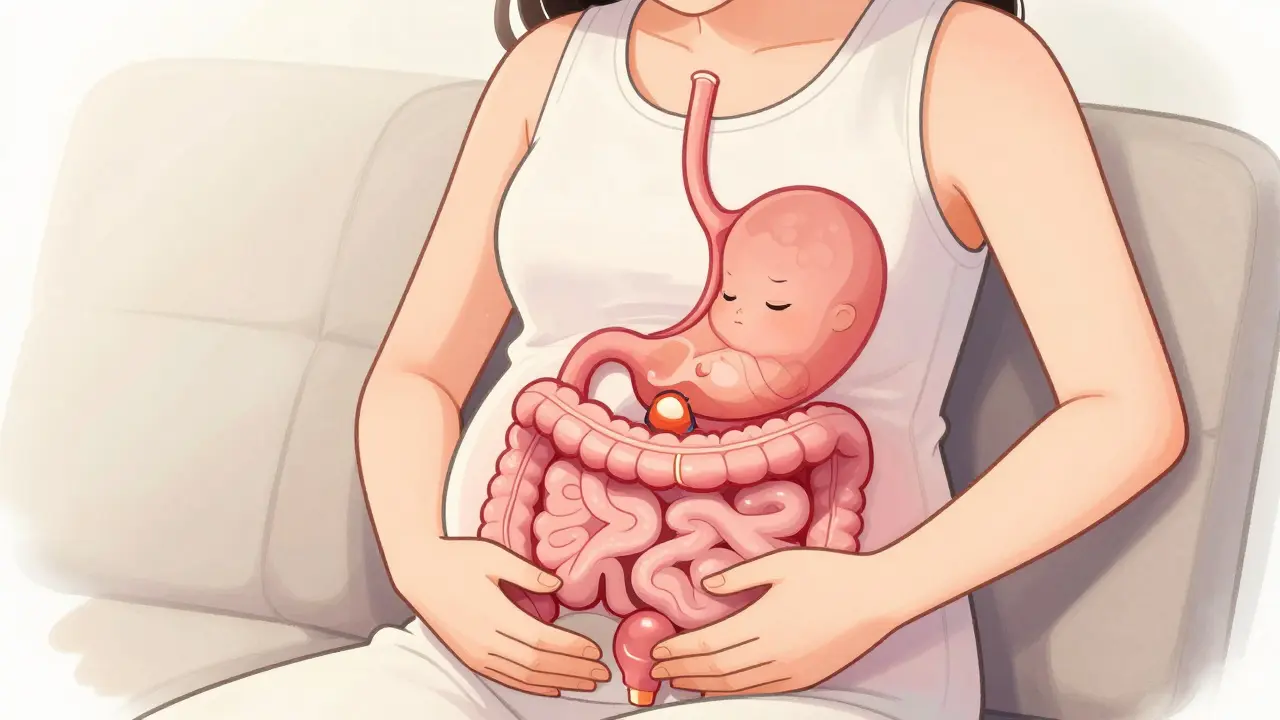
Heartburn during pregnancy is incredibly common-up to 80% of pregnant people deal with it, especially in the second and third trimesters. It happens because pregnancy hormones relax the valve between your stomach and esophagus, letting acid splash up. Plus, your growing baby puts pressure on your stomach. But not all medications are safe. Knowing which options are safe can make a huge difference. For example, safe antacids during pregnancy like Tums are often the first choice, while other medications require careful consideration.
Understanding Heartburn in Pregnancy
Heartburn during pregnancy, clinically called gastroesophageal reflux disease (GERD), affects 30-80% of pregnant individuals. The main culprits are hormonal changes that relax the lower esophageal sphincter and the growing uterus pressing on the stomach. This allows stomach acid to flow back into the esophagus, causing that burning sensation. Symptoms typically worsen in the second and third trimesters. While uncomfortable, it's usually harmless to the baby-but using the wrong medication could pose risks. Always talk to your healthcare provider before taking anything.
Antacids: The First-Line Defense
Calcium carbonate antacids like Tums are calcium carbonate-based antacids that neutralize stomach acid immediately and provide supplemental calcium for fetal development are considered the safest option for pregnancy heartburn. They work by neutralizing stomach acid within minutes. What's great about Tums? They also supply extra calcium, which your baby needs for bone development. But not all antacids are equal. Avoid those with aluminum hydroxide or magnesium trisilicate-these can cause constipation or other issues. Mylanta contains aluminum hydroxide and magnesium hydroxide, but it's generally safe in moderation. Rolaids uses calcium carbonate and magnesium hydroxide. Always check the label, and stick to the recommended doses. Most experts suggest no more than 500-1500 mg of calcium carbonate every 4-6 hours as needed.
H2 Blockers: When Antacids Aren't Enough
When antacids don't cut it, H2 blockers like Pepcid (famotidine) come into play. Pepcid is an H2 blocker that reduces stomach acid production by blocking histamine receptors. They work by blocking histamine receptors in your stomach, reducing acid production. Unlike antacids, they take 1-3 hours to kick in but last much longer-up to 12 hours. Famotidine is considered safe for short-term use during pregnancy, according to medical guidelines. However, ranitidine (Zantac) was pulled from the market in 2020 due to contamination concerns, so it's no longer an option. Always consult your doctor before using H2 blockers, especially in the first trimester.

PPIs: For Persistent Symptoms
Proton pump inhibitors like Prilosec (omeprazole) are reserved for severe, persistent heartburn. Prilosec is a proton pump inhibitor that inhibits acid-producing pumps in stomach cells for long-lasting relief. They work by shutting down the acid-producing pumps in your stomach cells, offering strong relief for 24+ hours. Omeprazole is the most studied PPI in pregnancy, but doctors only recommend it when benefits outweigh potential risks. A 2019 study in JAMA Pediatrics suggested a possible link between first-trimester PPI use and childhood asthma, though it didn't prove causation. Always use PPIs under medical supervision and only after trying safer options.
| Type | Common Brands | How It Works | Safety in Pregnancy | Duration |
|---|---|---|---|---|
| Antacids | Tums, Rolaids, Mylanta | Neutralizes stomach acid immediately | Calcium-based safest; avoid aluminum/magnesium trisilicate | 1-2 hours |
| H2 Blockers | Pepcid (famotidine) | Blocks histamine receptors to reduce acid production | Generally safe for short-term use | 10-12 hours |
| PPIs | Prilosec (omeprazole), Prevacid (lansoprazole) | Inhibits acid-producing pumps in stomach cells | Use only under medical supervision; omeprazole most studied | 24+ hours |
Medications to Avoid During Pregnancy
Pepto-Bismol is a big no-no-it contains bismuth subsalicylate, which is related to aspirin. Aspirin during pregnancy can cause complications like bleeding or low birth weight. Similarly, avoid any products with salicylates or NSAIDs like ibuprofen. Always check labels for hidden ingredients. Ranitidine (Zantac) was recalled in 2020 due to contamination concerns, so it's no longer available. If you're unsure about a medication, skip it and ask your doctor.

Non-Medication Strategies for Heartburn Relief
Lifestyle changes can often prevent heartburn without medication. Eat smaller, more frequent meals instead of three big ones. Avoid spicy, fatty, or acidic foods that trigger heartburn. Wait at least three hours after eating before lying down. Sleep with your head elevated using extra pillows. Drinking milk or eating yogurt might help neutralize acid. These strategies are often the first line of defense before turning to medications. For example, many pregnant people find relief by propping up their upper body with pillows while sleeping.
When to See Your Doctor
If heartburn is severe or doesn't improve with lifestyle changes and OTC meds, call your doctor. Persistent heartburn could signal complications like GERD or other issues. Also, if you experience chest pain, trouble swallowing, or vomiting blood, seek immediate care-it might not be heartburn at all. Your provider can rule out serious conditions and adjust your treatment plan safely.
Are antacids safe during pregnancy?
Yes, calcium carbonate-based antacids like Tums are safe and often recommended first. They neutralize acid quickly and provide calcium for your baby's development. Avoid antacids with aluminum or magnesium trisilicate.
Can I take Pepcid during pregnancy?
Yes, famotidine (Pepcid) is generally safe for short-term use when antacids don't help. It blocks acid production and lasts longer than antacids. But always check with your provider first, especially in early pregnancy.
What about Prilosec?
Omeprazole (Prilosec) is a PPI used only for severe, persistent heartburn under medical supervision. It's the most studied PPI in pregnancy, but there may be risks, so doctors only prescribe it when necessary.
Why is Pepto-Bismol unsafe?
Pepto-Bismol contains bismuth subsalicylate, which is related to aspirin. Aspirin during pregnancy can cause bleeding issues or low birth weight. Always avoid it during pregnancy.
Can I take ranitidine (Zantac)?
No. Ranitidine was recalled in 2020 due to NDMA contamination, a potential carcinogen. It's no longer available on the market. Stick with famotidine (Pepcid) for H2 blockers.
How long should I wait after eating before lying down?
Wait at least three hours after eating before lying down. This gives your stomach time to empty, reducing acid reflux.
What lifestyle changes help with heartburn?
Eat smaller meals, avoid trigger foods like spicy or fatty items, don't lie down right after eating, sleep with your head elevated using pillows, and try drinking milk or eating yogurt to neutralize acid.
Lana Younis
February 4, 2026 AT 18:15Heartburn is common due to hormonal relaxation of the lower esophageal sphincter and uterine pressure.
Calcium carbonate antacids like Tums are first-line due to safety profile and calcium supplementation.
Avoid aluminuim-based antacids.
H2 blockers like famotidine are safe short-term.
PPIs require medical supervision.
Pepto-Bismol contains salicylates which are contraindicated.
Samantha Beye
February 5, 2026 AT 18:42I appreciate the detailed info here.
Elevating your head while sleeping really helped me.
Avoid lying down right after eating.
Stay safe!
one hamzah
February 7, 2026 AT 00:12This is supper helpful! 😊 Also, in India, many use Ayurvedic remedies like ginger tea for heartburn.
But check with your doc first.
Remember to aviod trigger foods like citrus and spicy dishes.
Stay positive! 🌞
Andre Shaw
February 8, 2026 AT 11:03Nah, Tums are overrated.
I've been using Zantac for years and it worked great.
Wait, no-wait, Zantac was recalled.
But honestly, PPIs like Prilosec are way better for long-term relief.
Just don't overdo it.
Some people say they're bad, but the studies are inconclusive.
Trust me, I know.
Carol Woulfe
February 9, 2026 AT 09:15The FDA has been concealing the risks of calcium carbonate antacids,
which are associated with renal complications in pregnant individuals.
H2 blockers are largely ineffective and merely serve as a placebo.
True medical professionals prescribe alternative treatments,
but this information is systematically suppressed by pharmaceutical conglomerates.
The public remains ignorant due to systemic obfuscation.
Kieran Griffiths
February 10, 2026 AT 14:16I've been through this myself and found that lifestyle changes like avoiding caffeine and eating smaller meals really helped.
Also, always consult your healthcare provider before starting any medication.
You've got this!
Tehya Wilson
February 12, 2026 AT 05:59The article is insufficient.
Gregory Rodriguez
February 14, 2026 AT 04:27Wow, thanks for the detailed guide!
Seriously, you don't need a doctor when you have this.
PPIs are just fine.
Ignore that JAMA study about childhood asthma.
Everything's fine! 😂
Jenna Elliott
February 16, 2026 AT 04:02Only American doctors know what's best.
Foreign advice is dangerous.
Avoid all medications unless prescribed by a US doctor.
The FDA knows best.
No other country's regulations are valid.
Bella Cullen
February 16, 2026 AT 06:12The article is okay but missing key points.
They didn't mention the risks of calcium carbonate.
H2 blockers aren't always safe.
Just a quick read but not thorough.
Arjun Paul
February 17, 2026 AT 08:05This is amateurish advice.
Proper medical guidance requires understanding the pharmacokinetics of each drug.
You're all risking your baby's health with these OTC recommendations.
Consult a specialist before proceeding.