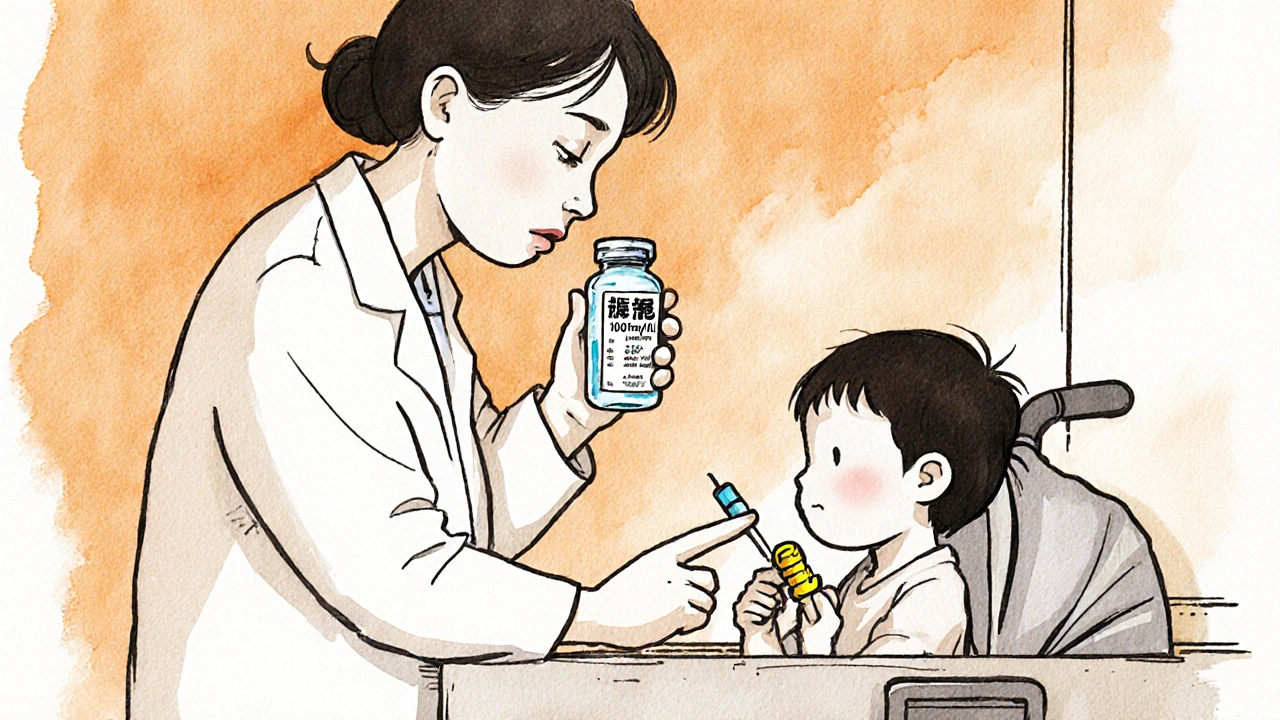
Dispensing Errors: What They Are, Why They Happen, and How to Prevent Them
When a pharmacist hands you the wrong pill, gives you the wrong dose, or misses a dangerous interaction, that’s a dispensing error, a mistake made during the final step of getting a prescription to a patient. Also known as medication errors, these aren’t just paperwork glitches—they’re preventable events that send tens of thousands to the ER every year in the U.S. alone. These aren’t rare blips. Studies show that one in every 20 prescriptions filled has some kind of error, and while many are caught before they hurt you, others slip through—especially when multiple meds are involved.
Drug interactions, when two or more medications react in harmful ways inside your body, are a top cause. Think blood thinners mixed with NSAIDs, or thyroid meds taken with fiber supplements. Pharmacy mistakes, including misreading handwriting, confusing similar-sounding drug names, or pulling the wrong bottle from the shelf happen even in busy, well-run pharmacies. And let’s not forget prescription safety, the system of checks meant to catch these errors before they reach you—but those checks only work if they’re followed correctly. A nurse might miswrite a dose. A pharmacy tech might grab the wrong strength. A pharmacist might overlook a patient’s allergy because the screen was cluttered. It’s not about laziness—it’s about human limits in high-pressure environments.
What makes this worse is that most patients never double-check what they’re given. You assume the pharmacist got it right. You trust the label. But if your new pill looks different from last time, or if the instructions don’t match what your doctor said, that’s your signal to pause. Ask. Show your list of all meds—including supplements—to every pharmacist. Know your own conditions. If you’re on warfarin, lithium, or insulin, even small changes can be dangerous. And if you take five or more drugs? You’re at higher risk. That’s not fearmongering—it’s data.
The posts below dive into real-world cases where small mistakes had big consequences. You’ll find stories about how fiber supplements block thyroid meds, how potassium levels spike from common heart drugs, and how statins can trigger muscle damage if not monitored. These aren’t theoretical—they’re the kind of errors that happen in pharmacies every day. But they’re also the kind you can protect yourself from. You don’t need to be a doctor. You just need to know what to look for, when to ask, and how to speak up.