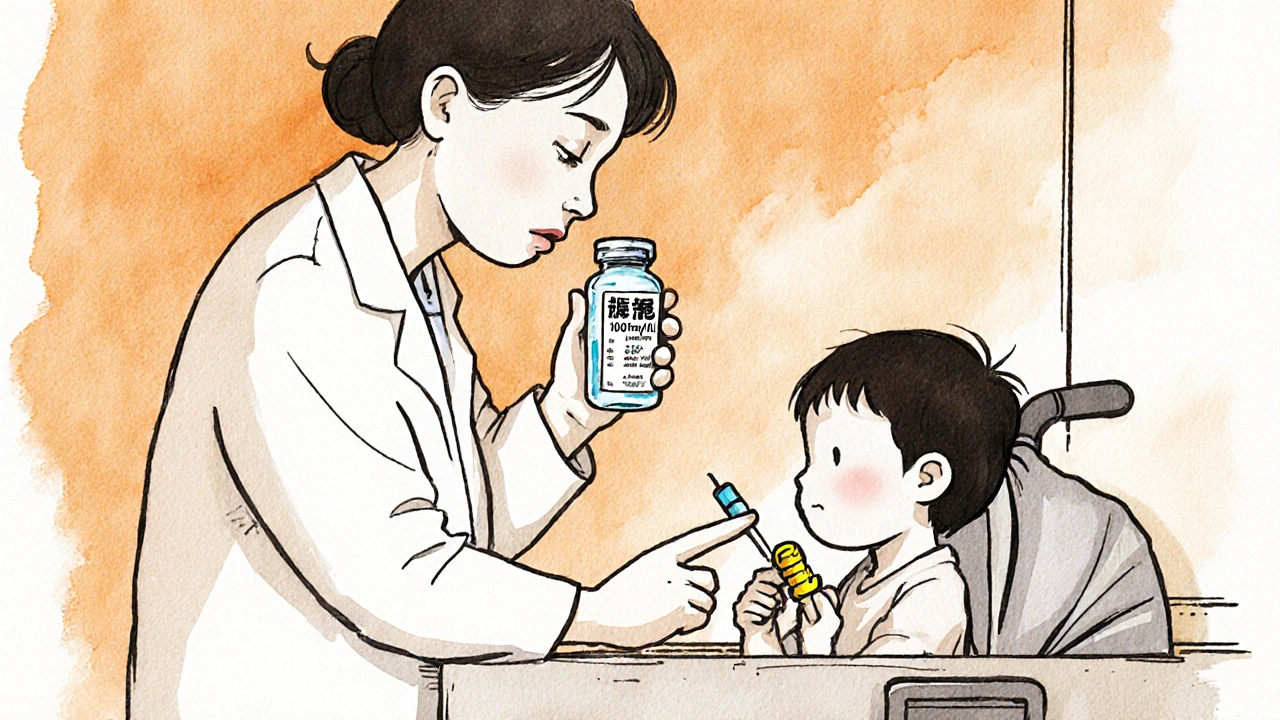
Dosing Errors: What They Are, Why They Happen, and How to Prevent Them
When a patient gets the wrong amount of a drug—too much, too little, or at the wrong time—it’s called a dosing error, a mistake in the quantity, frequency, or timing of a medication that can lead to harm or death. Also known as medication errors, these aren’t just rare accidents—they happen far more often than most people realize, and many are entirely preventable. A child given an adult dose of acetaminophen. An elderly person taking two pills instead of one because the label was blurry. A nurse misreading a handwritten script. These aren’t hypotheticals. They’re real events that occur daily in hospitals, clinics, and homes.
Medication timing, the precise schedule when a drug is taken, is just as critical as the dose itself. For example, taking levothyroxine with food can cut its absorption by half. Taking blood thinners at the wrong time can spike the risk of bleeding or clotting. Even drug interactions—like fiber supplements blocking antibiotics or grapefruit changing how statins work—can turn a correct dose into a dangerous one. Dosing errors don’t just come from human mistakes. They’re also fueled by confusing labels, poor communication between providers, and systems that don’t support clear decision-making. Older adults, kids, and people on five or more medications are at highest risk—not because they’re careless, but because the system isn’t designed for their needs.
What makes this worse is that many dosing errors go unnoticed. A patient feels a little dizzy after a new pill and assumes it’s just aging. A caregiver skips a dose because the bottle looks empty. A pharmacy fills a script with the wrong strength because the barcode didn’t scan right. These aren’t dramatic failures—they’re quiet ones. And they add up.
But here’s the good news: most dosing errors are fixable. Simple changes—like using a pill organizer, asking your pharmacist to explain the schedule in plain language, or double-checking the dose on the bottle before taking it—can cut risk dramatically. Tools like barcode scanning in hospitals, electronic prescriptions, and smartphone reminders are helping, but the biggest protection is still awareness. You don’t need to be a doctor to spot a red flag. If something feels off about your meds, ask. If the instructions seem unclear, demand clarity. Your life might depend on it.
In the posts below, you’ll find real-world examples of how dosing errors show up in everyday care—from fiber blocking thyroid meds to statins causing muscle pain because the dose wasn’t adjusted for kidney function. You’ll learn how to catch mistakes before they happen, how to talk to providers about your meds, and what to do when something doesn’t feel right. This isn’t about fear. It’s about control. You have the right to understand your treatment. These stories show you how.