ANCA vasculitis: Causes, Symptoms, and Treatment Options
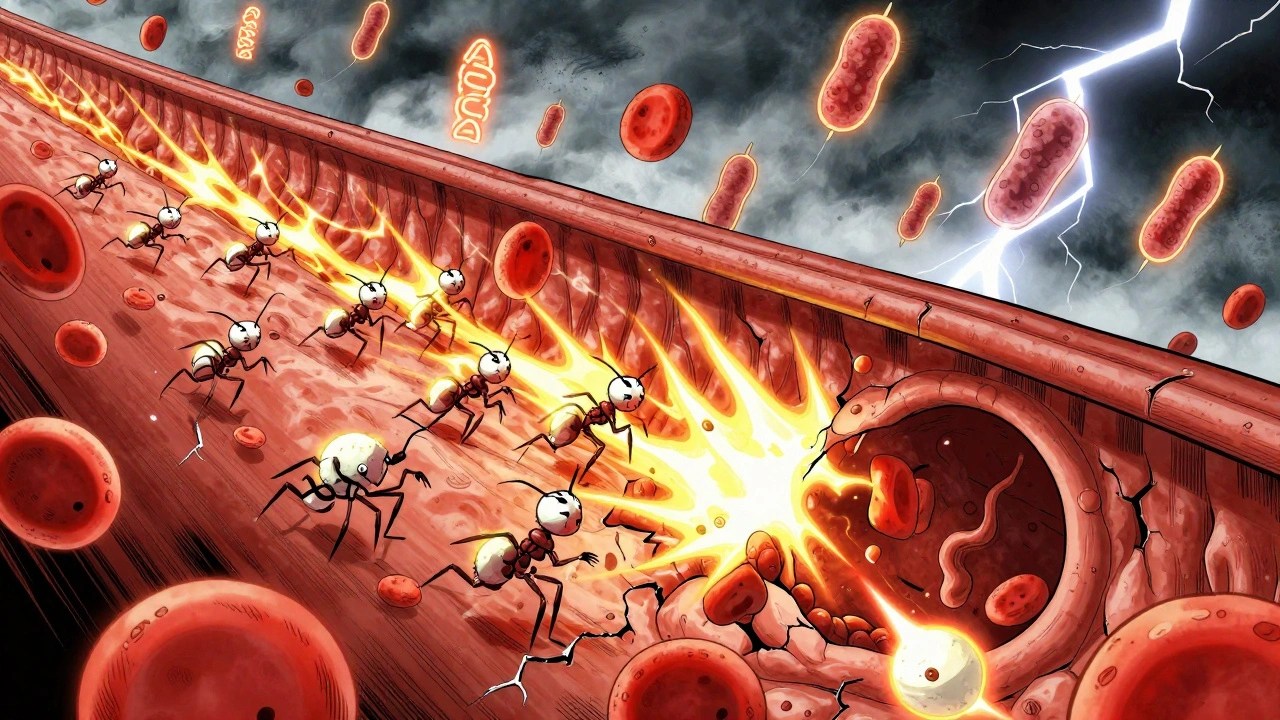
When your immune system turns on your own blood vessels, it can lead to something called ANCA vasculitis, a group of autoimmune diseases where antineutrophil cytoplasmic antibodies attack small blood vessels, causing inflammation and damage. Also known as antineutrophil cytoplasmic antibody-associated vasculitis, this condition doesn’t just cause rashes or fatigue—it can quietly damage your kidneys, lungs, and nerves before you realize anything’s wrong. Unlike general inflammation, ANCA vasculitis is driven by specific antibodies that target white blood cells, making it both rare and dangerous if missed.
This disease isn’t one single illness—it includes granulomatosis with polyangiitis, a form that often starts with sinus infections and lung nodules, microscopic polyangiitis, which more commonly hits the kidneys, and eosinophilic granulomatosis with polyangiitis, linked to asthma and high eosinophil counts. All three fall under the ANCA umbrella because they share the same antibody signature, even though their symptoms vary. Many people first notice unexplained weight loss, night sweats, or numbness in their hands and feet—signs that get mistaken for the flu or stress. But if your kidneys start failing or you cough up blood, waiting it out isn’t an option.
Diagnosis relies on blood tests for ANCA antibodies, urine checks for kidney damage, and sometimes a biopsy of affected tissue. Treatment isn’t about symptom relief—it’s about stopping the immune attack. Steroids like prednisone are the first line, but they’re paired with powerful drugs like rituximab or cyclophosphamide to calm the immune system long-term. Newer options are making it easier to avoid the worst side effects, and many patients go into remission if caught early. Still, relapses happen, and ongoing monitoring is key. What you won’t find in most general guides is how closely this ties to other autoimmune conditions like lupus or how often kidney involvement requires dialysis or transplant. The posts below cover real cases, treatment trade-offs, and what patients actually experience when managing this disease day to day—no fluff, just what works.