Benzodiazepines: What They Are, How They Work, and What You Need to Know
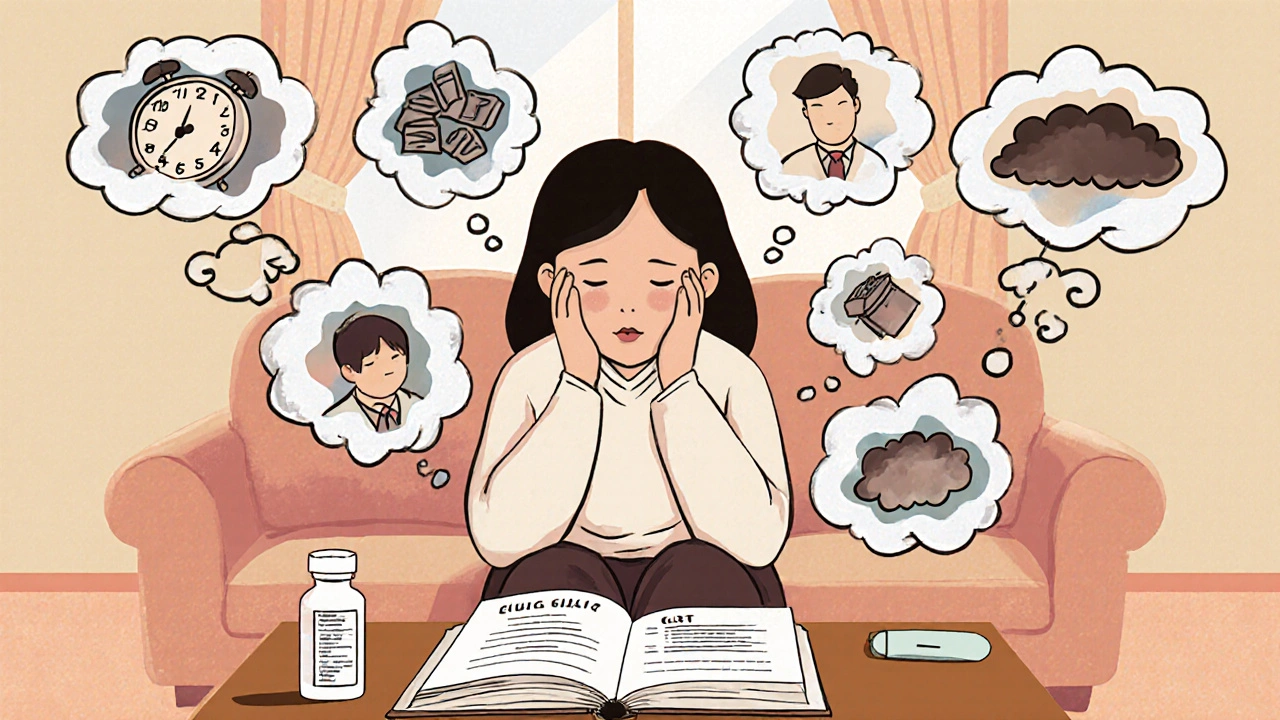
When you hear benzodiazepines, a class of central nervous system depressants used to treat anxiety, seizures, and insomnia. Also known as benzos, they work by boosting the effect of GABA, a calming chemical in your brain. This makes them fast-acting—but also risky if used too long. Many people start taking them for a panic attack or trouble sleeping, only to find it’s hard to stop. They’re not meant for daily, long-term use, yet millions rely on them because the relief feels immediate.
These drugs include alprazolam, a short-acting benzodiazepine often prescribed for panic disorder, diazepam, a longer-acting option used for muscle spasms and alcohol withdrawal, and lorazepam, commonly used in hospitals for acute anxiety or before procedures. Each has a different half-life, which affects how quickly it leaves your body—and how bad withdrawal can be. Stopping suddenly can trigger seizures, extreme anxiety, or even hallucinations. That’s why tapering off under medical supervision isn’t optional—it’s life-saving.
Benzodiazepines don’t fix the root cause of anxiety or insomnia. They mute the symptoms. That’s why so many people end up stuck on them: the underlying stress, trauma, or sleep disorder never got treated. And while they’re sometimes paired with therapy or antidepressants, that’s not always explained upfront. You might feel better at first, but over time, your brain adapts. You need more to get the same effect. That’s tolerance. Then comes dependence. And then, the fear of quitting.
What you’ll find in the articles below isn’t just a list of prescriptions. It’s real talk about what happens when these drugs are used—correctly, incorrectly, or accidentally. You’ll see how they interact with other meds like opioids and antidepressants. You’ll learn why some people get muscle weakness or memory gaps, and how to spot when a dose is too high. You’ll also find advice on timing, alternatives, and how to talk to your doctor if you’re worried about being on them too long. This isn’t about scare tactics. It’s about knowing the facts so you can make smarter choices—for yourself or someone you care about.