Copay Cards: How They Lower Your Medication Costs and Who Qualifies
When you’re paying for a monthly prescription, a copay card, a discount tool offered by drug manufacturers to reduce what you pay at the pharmacy. Also known as patient assistance cards, these aren’t insurance—they’re coupons that drug companies give out to make their brand-name drugs more affordable. If you’ve ever seen a card in your mail or on a doctor’s desk saying "Save up to $75 per fill," that’s a copay card. They’re everywhere for expensive meds like insulin, statins, or biologics for autoimmune diseases.
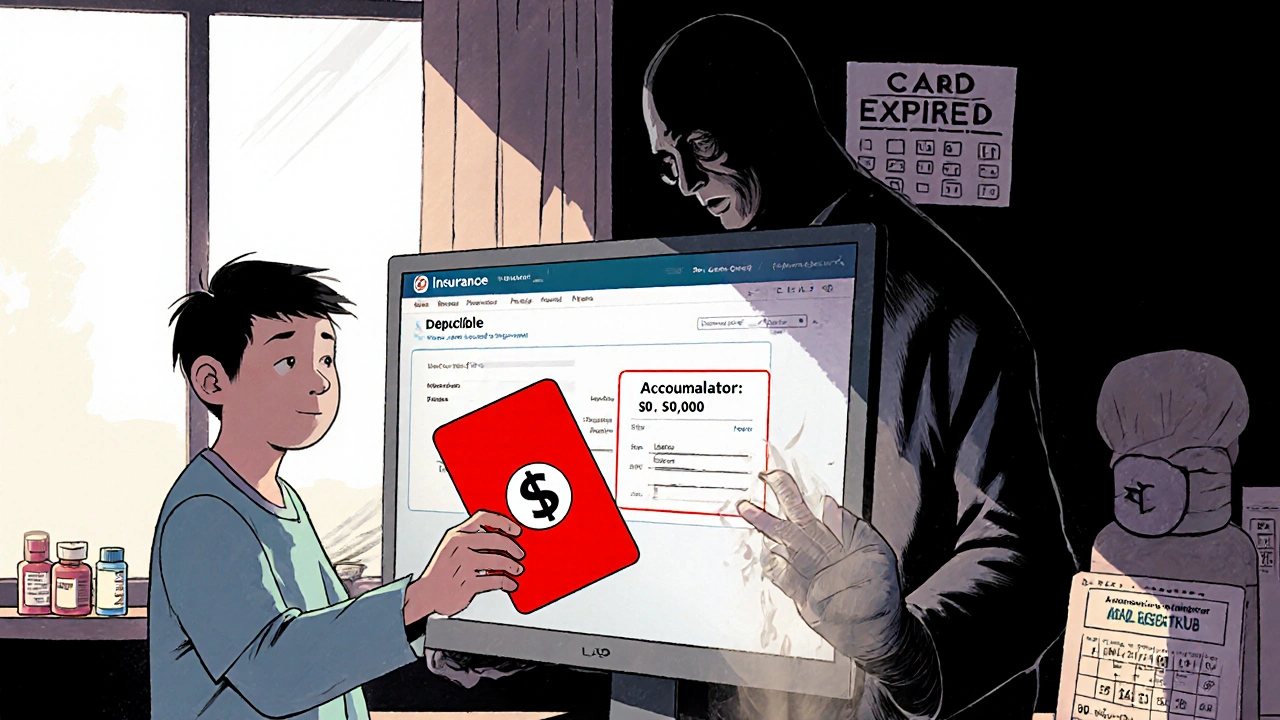
But here’s the catch: copay cards only work if your insurance lets them. Some plans, especially government ones like Medicare Part D, are legally blocked from accepting them. Even if your private insurer allows it, the card won’t help if your drug is already generic or if you’re on Medicaid. And while they slash your monthly cost—sometimes to $0—they don’t count toward your deductible. That means you might pay less now but still owe more later if you hit your out-of-pocket max. The real value? They help people who need high-cost meds but don’t qualify for full patient assistance programs based on income.
Drugmakers use copay cards to keep patients on their brand instead of switching to cheaper generics. That’s why you’ll see them for drugs like Humira, Ozempic, or Xarelto—but rarely for metformin or lisinopril. They’re tied to specific conditions too: if you’re using a copay card for a thyroid med, it’s likely because your doctor prescribed a brand-name version despite a generic being available. Some cards even require you to fill at a certain pharmacy or sign up for a mail-order program. Always check the fine print: there’s often an annual cap, and if the drug gets pulled from the market or the company stops funding the card, your savings vanish overnight.
If you’re juggling high drug costs, copay cards can be a lifeline—but they’re not the whole story. They’re part of a bigger system that includes patient assistance programs from nonprofits, pharmacy discount apps like GoodRx, and even manufacturer helplines that offer free medication to low-income patients. The key is to compare all your options before you sign up. A copay card might save you $50 a month, but a free drug program could save you $500. Don’t just grab the first card you see. Ask your pharmacist, check the manufacturer’s website, and look up your drug name + "patient assistance" online. You might be surprised what’s available.
Below, you’ll find real-world stories and expert breakdowns on how these cards fit into the bigger picture of prescription costs—from how they interact with insurance rules, to which medications they’re most useful for, and what to do when they stop working.