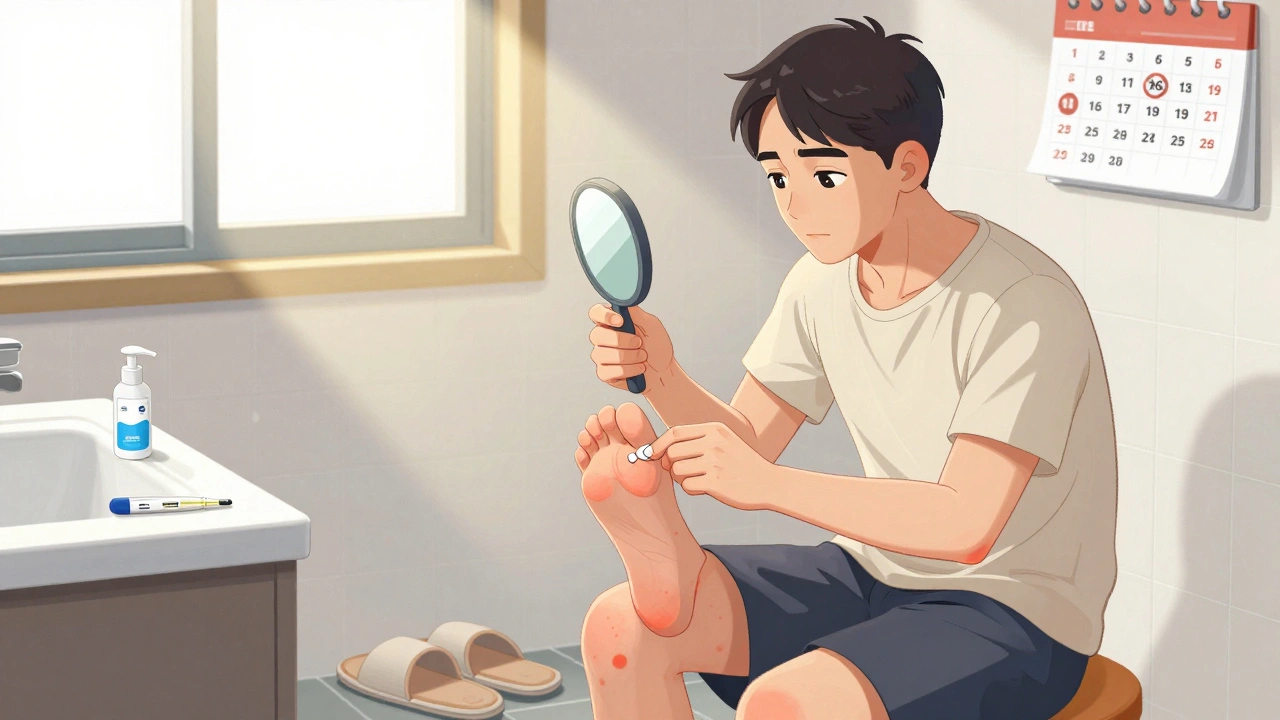
Diabetic Foot Ulcers: Causes, Risks, and What Actually Helps
When you have diabetes, even a small cut on your foot can turn into a diabetic foot ulcer, a slow-healing open sore caused by nerve damage and poor circulation. Also known as diabetic neuropathic ulcers, these wounds don’t heal like normal cuts—they’re stuck in a cycle of infection, swelling, and tissue death. This isn’t just about hygiene or luck. It’s biology. High blood sugar damages nerves, so you stop feeling pain or pressure. At the same time, blood vessels narrow, starving the skin of oxygen and healing nutrients. The result? A tiny blister becomes a deep ulcer, and before you know it, infection spreads to bone.
That’s why peripheral neuropathy, the nerve damage that makes feet numb is the silent partner in this disaster. People with neuropathy often walk on ulcers for days without realizing it. And when blood flow is poor—something called peripheral artery disease, a condition where arteries in the legs are clogged—your body can’t send white blood cells or antibiotics to the site. No blood flow means no healing. That’s why ulcers in the feet of diabetics are the leading cause of non-traumatic amputations worldwide.
But here’s the good news: most diabetic foot ulcers are preventable. Regular foot checks, proper shoes, and keeping blood sugar under control cut the risk by more than half. Treatment isn’t about fancy creams or miracle cures. It’s about offloading pressure (no walking on the sore), cleaning the wound daily, removing dead tissue, and treating infections early. Antibiotics alone won’t fix it if the blood flow is still blocked. You need to fix the root problem: the numbness, the poor circulation, and the delayed care.
The posts below show exactly how these ulcers develop, what treatments work (and what’s a waste of time), and how people avoid amputations by catching problems early. You’ll find real-world advice on wound care routines, why some antibiotics fail, how to choose the right footwear, and what to do if your foot turns red or smells bad. No fluff. Just what matters when your feet are at risk.