Giant Cell Arteritis: Symptoms, Diagnosis, and Treatment Options
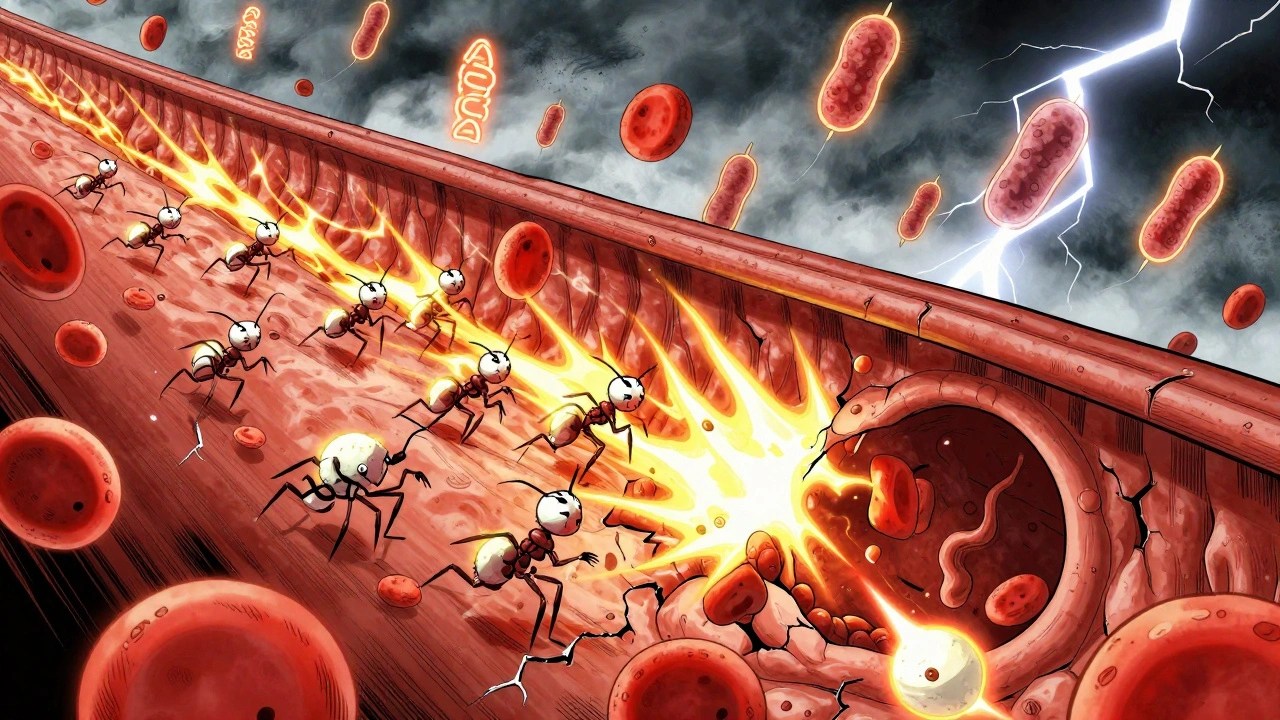
When you feel a throbbing headache on one side of your forehead, along with jaw pain when chewing or sudden vision changes, it might not just be stress or a migraine. It could be giant cell arteritis, a type of vasculitis that inflames the lining of large arteries, especially the temporal arteries near the temples. Also known as temporal arteritis, this condition mostly affects people over 50 and can lead to permanent vision loss if not treated fast. It doesn’t come on suddenly like a cold—it creeps in with fatigue, low-grade fever, weight loss, and scalp tenderness. Many people also develop polymyalgia rheumatica, a related condition causing severe stiffness and pain in the shoulders and hips, which often shows up weeks or months before the artery inflammation becomes obvious.
The real danger with giant cell arteritis is how quietly it can damage your eyes. About 1 in 5 people with untreated cases lose vision in one or both eyes, sometimes permanently. That’s why doctors rely on a combination of symptoms, blood tests (like ESR and CRP that show inflammation), and a temporal artery biopsy, a small surgical procedure to check for immune cells clustering in the artery wall. You don’t need a biopsy for every case—if symptoms and blood work point strongly to it, treatment starts right away, even before results come back. Delaying steroids to wait for a biopsy can be risky.
Treatment is straightforward but requires careful management. corticosteroids, like prednisone, are the go-to medication and often reverse symptoms within days. But you’re not off the hook after a few weeks. Most people stay on a low dose for a year or more, and doctors slowly taper it to avoid flare-ups. Long-term steroid use brings its own problems—bone thinning, weight gain, high blood sugar—so doctors often add drugs like methotrexate or tocilizumab to help reduce steroid doses. Regular eye exams and follow-up blood tests are non-negotiable.
What you won’t find in most online searches is how much this condition overlaps with other autoimmune and age-related issues. It’s not just about the arteries—it’s about your whole immune system reacting in ways that affect your muscles, your metabolism, and even your mood. That’s why the posts here cover more than just diagnosis: you’ll find real-world advice on managing side effects, recognizing warning signs before it’s too late, and how to work with your doctor to balance treatment and quality of life. Whether you’re newly diagnosed, caring for someone who is, or just trying to understand why your grandmother’s vision changed so fast, this collection gives you the facts without the fluff.