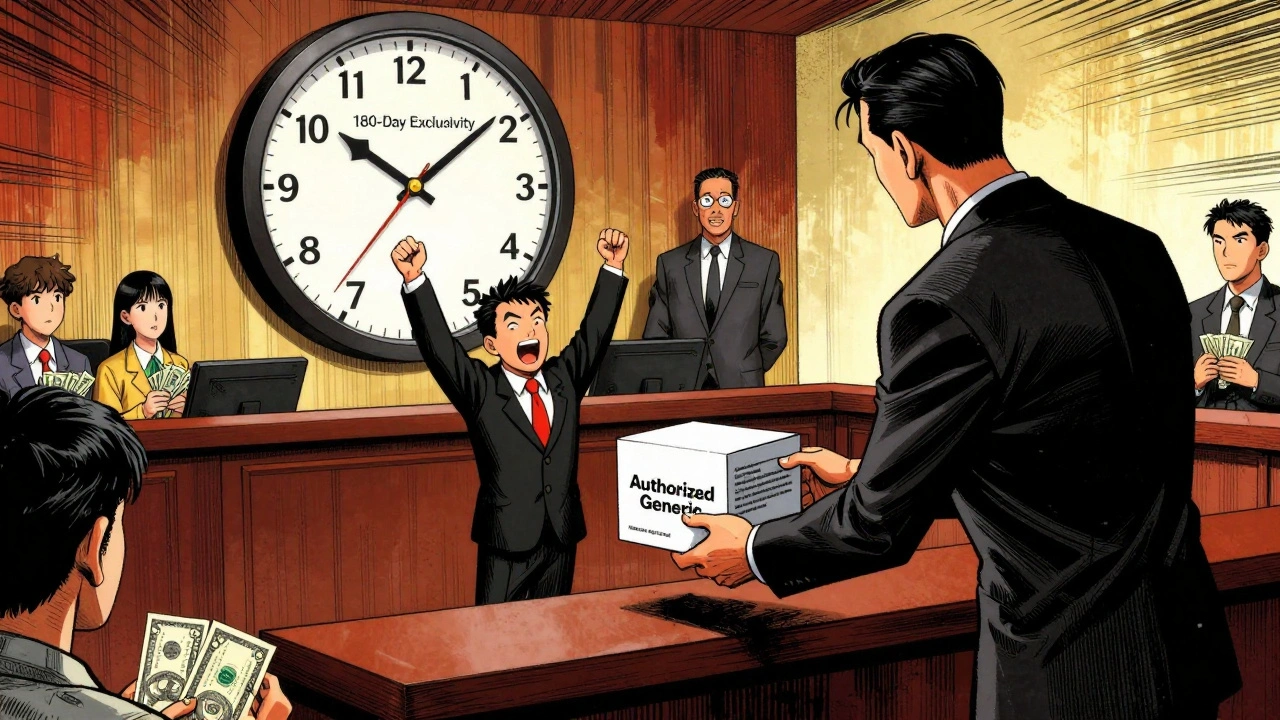
Paragraph IV Certification: What It Means for Generic Drugs and Drug Prices
When a generic drug company files for approval to sell a cheaper version of a brand-name medicine, they often use something called Paragraph IV certification, a legal declaration under the Hatch-Waxman Act that challenges the validity or applicability of a brand-name drug’s patent. Also known as a Paragraph IV notice, this step is what opens the door for competition—and lower prices—on medications you rely on. It’s not just paperwork; it’s a strategic move that can bring generics to market years earlier than expected, sometimes saving patients and insurers millions.
This process ties directly to the ANDA, Abbreviated New Drug Application, the filing pathway generic manufacturers use to prove their drug is the same as the brand-name version. Unlike brand-name companies that must run full clinical trials, generics rely on existing safety and efficacy data. But if the original drug still has patent protection, the generic maker must certify one of four things. Paragraph IV is the most aggressive: it says the patent is invalid, unenforceable, or won’t be infringed by making the generic. That triggers a 45-day window for the brand-name company to sue for infringement. If they do, the FDA can’t approve the generic for up to 30 months—unless the court rules in favor of the generic maker first.
Why does this matter to you? Because Paragraph IV certification is behind many of the generic drugs you’re prescribed today. It’s how drugs like generic versions of Lipitor, Nexium, and Plavix became available at a fraction of the cost. The system was designed by the Hatch-Waxman Act, a 1984 law that balanced patent rights with the need for affordable generics. Without it, many brand-name drugs would hold monopolies for far longer, keeping prices high. But it’s not perfect. Some companies use tactics like "patent thickets"—filing dozens of minor patents—to delay generic entry. Still, Paragraph IV remains the strongest tool generic manufacturers have to break those barriers.
When you see a generic drug on your prescription, there’s a good chance it got there because someone challenged the patent. And that challenge started with a Paragraph IV certification. The posts below show how this legal mechanism connects to real-world issues: medication safety, pricing, and access. You’ll find stories about how generic drugs are made, how patents affect what’s available, and why timing matters when switching from brand to generic. Whether you’re managing a chronic condition or just trying to save on prescriptions, understanding this process helps you ask the right questions—and know when you’re getting a fair deal.