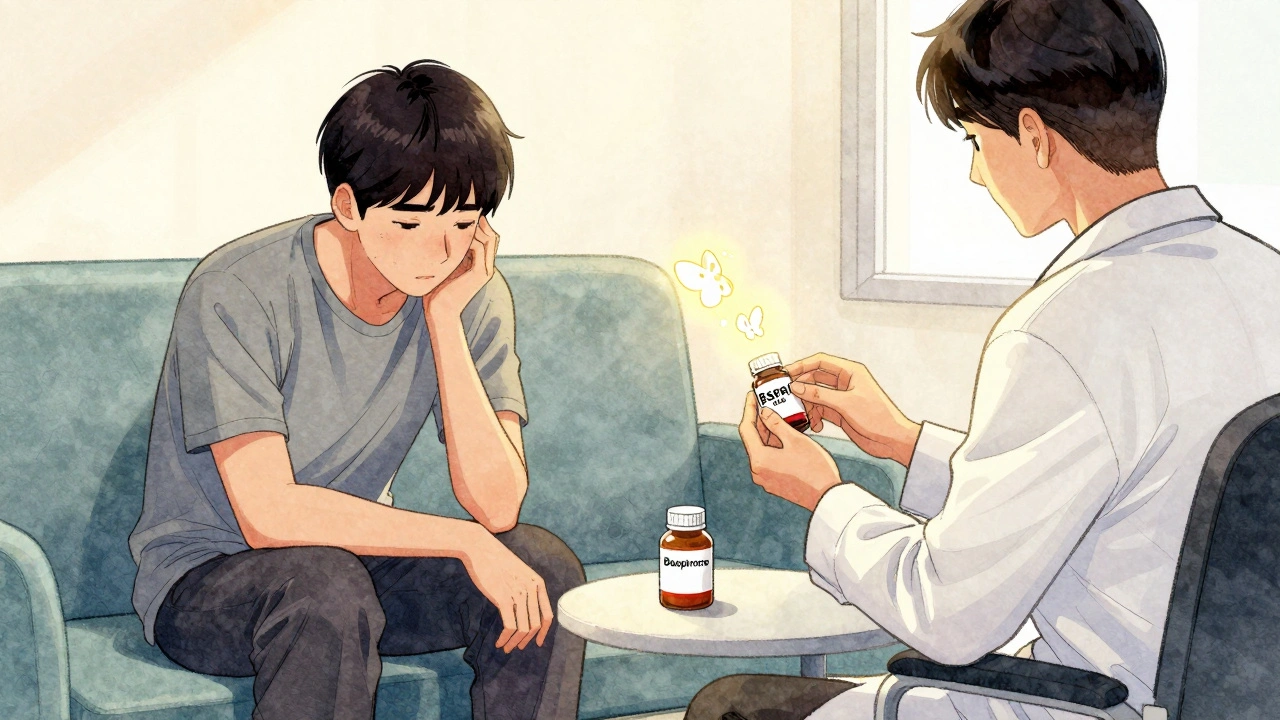
Treatment-Resistant Depression: What Works When Standard Antidepressants Fail
When someone has treatment-resistant depression, a form of major depression that doesn’t improve after trying at least two different antidepressants at adequate doses and durations. Also known as refractory depression, it affects about one in three people who seek help for depression. This isn’t about being weak or not trying hard enough—it’s a biological reality where the brain’s chemistry doesn’t respond the way it should to first-line treatments. Many people feel isolated here, thinking they’re broken. But the truth is, this is a common clinical challenge, not a personal failure.
What comes next matters more than what’s already been tried. SNRI medications, like venlafaxine and duloxetine, boost both serotonin and norepinephrine, which can help when SSRIs alone don’t cut it. For others, switching to bupropion, an antidepressant that works differently—focusing on dopamine and norepinephrine without the sexual side effects common with SSRIs makes all the difference. And sometimes, it’s not about adding another pill, but removing a barrier: sleep problems, thyroid imbalances, or even chronic inflammation can be hiding in plain sight as depression.
People with treatment-resistant depression often end up on multiple meds at once, but that’s not always the answer. Some find relief through non-drug options like transcranial magnetic stimulation or cognitive behavioral therapy tailored to chronic low mood. Others benefit from knowing their exact subtype—like atypical depression or melancholic depression—because treatment changes based on those details. The posts below don’t just list drugs. They show what actually works in real life: how people managed side effects, when to switch meds, what to watch for when combining treatments, and how to tell if what you’re feeling is depression or something else entirely.
You’re not stuck. There are options beyond the first pill you were given. The articles here come from real patient experiences and clinical data—not theory. They’ll help you ask better questions, recognize red flags, and understand what your doctor might not have time to explain. Whether you’re considering a new medication, worried about side effects, or just tired of feeling like nothing helps, you’ll find clear, no-fluff guidance below.