2025/11 Pharmaceutical Insights: Medications, Side Effects, and Health Management
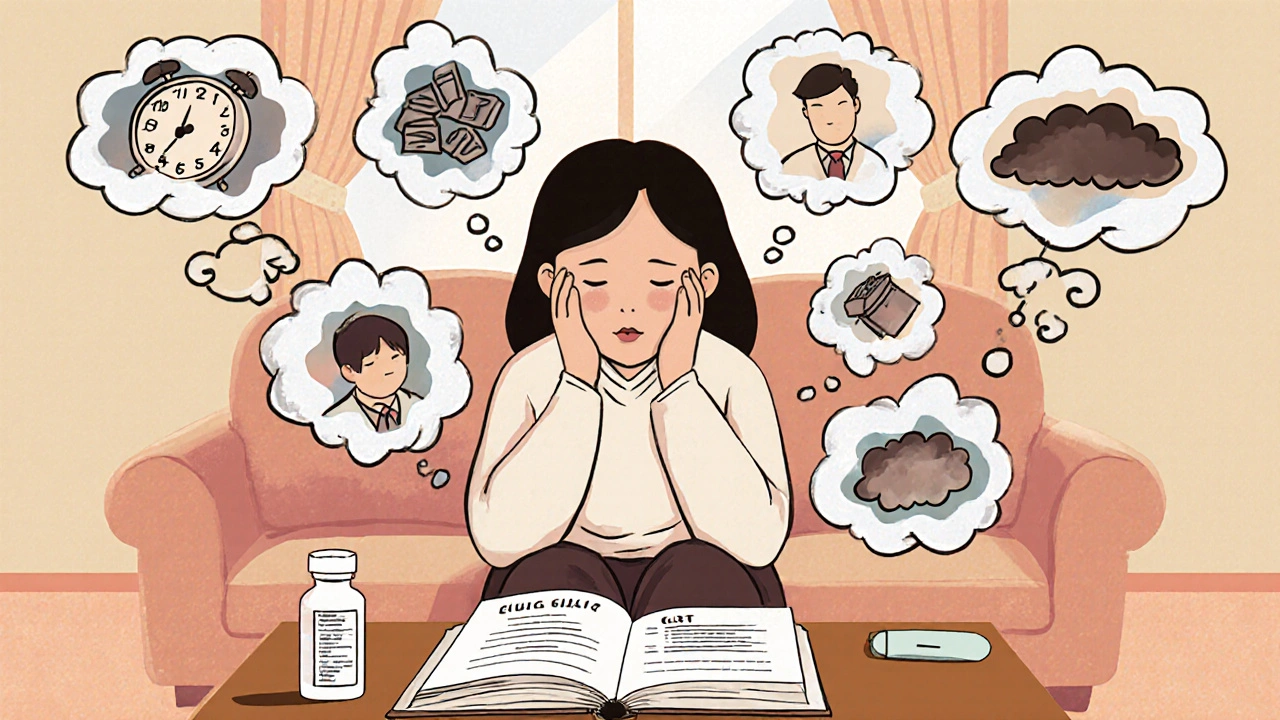
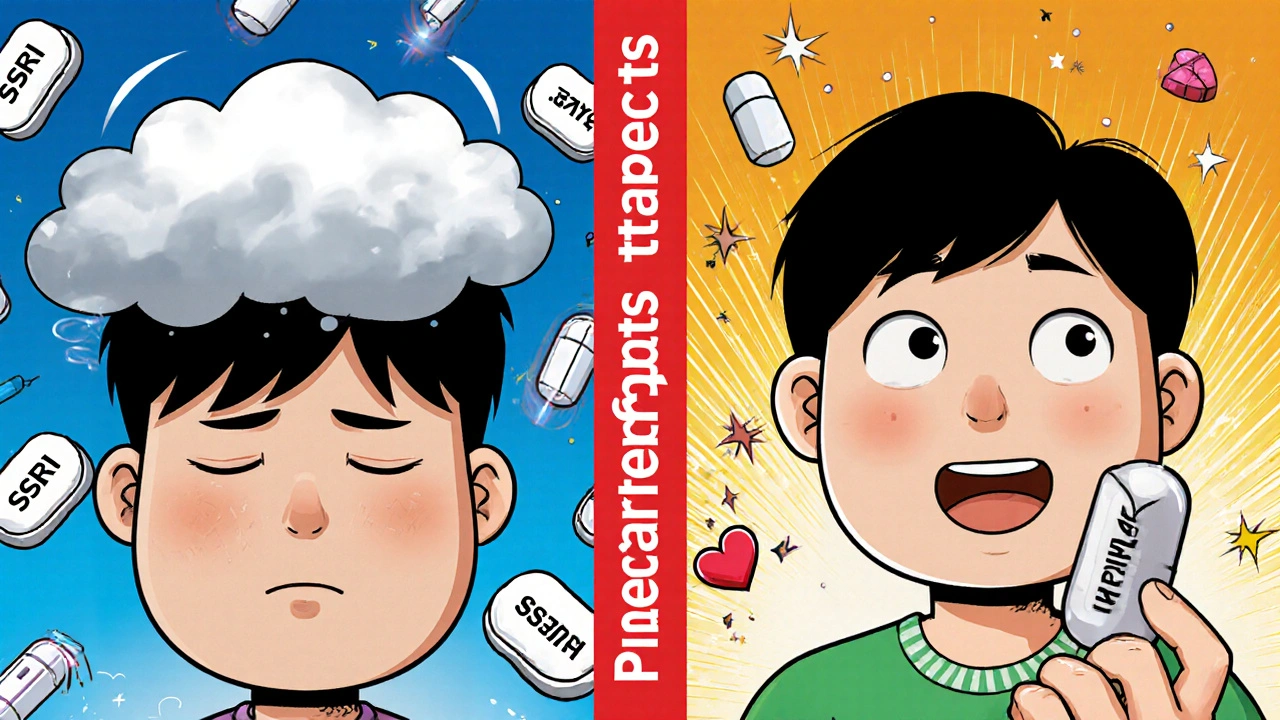
When managing your health, medications, drugs prescribed or taken to treat, prevent, or manage medical conditions. Also known as pharmaceuticals, they can save lives—but only if used correctly and understood fully. In November 2025, HighStreetPharma focused on the real-world impact of these drugs: how they work, what goes wrong, and how to stay safe. From anxiety treatment, a combination of therapy and drugs like SSRIs and benzodiazepines used to reduce excessive worry and panic to medication safety, the practices that prevent dosing errors, interactions, and life-threatening mistakes, every article was built around one goal: helping you make smarter choices with your health.
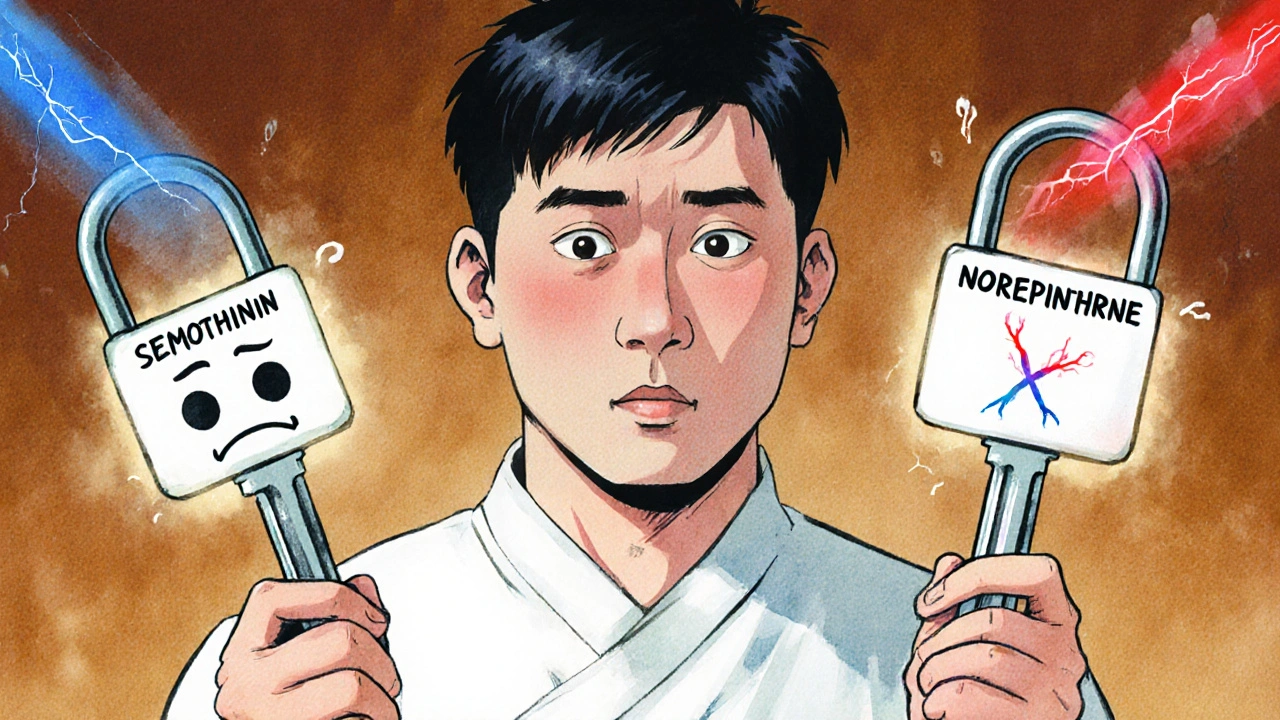
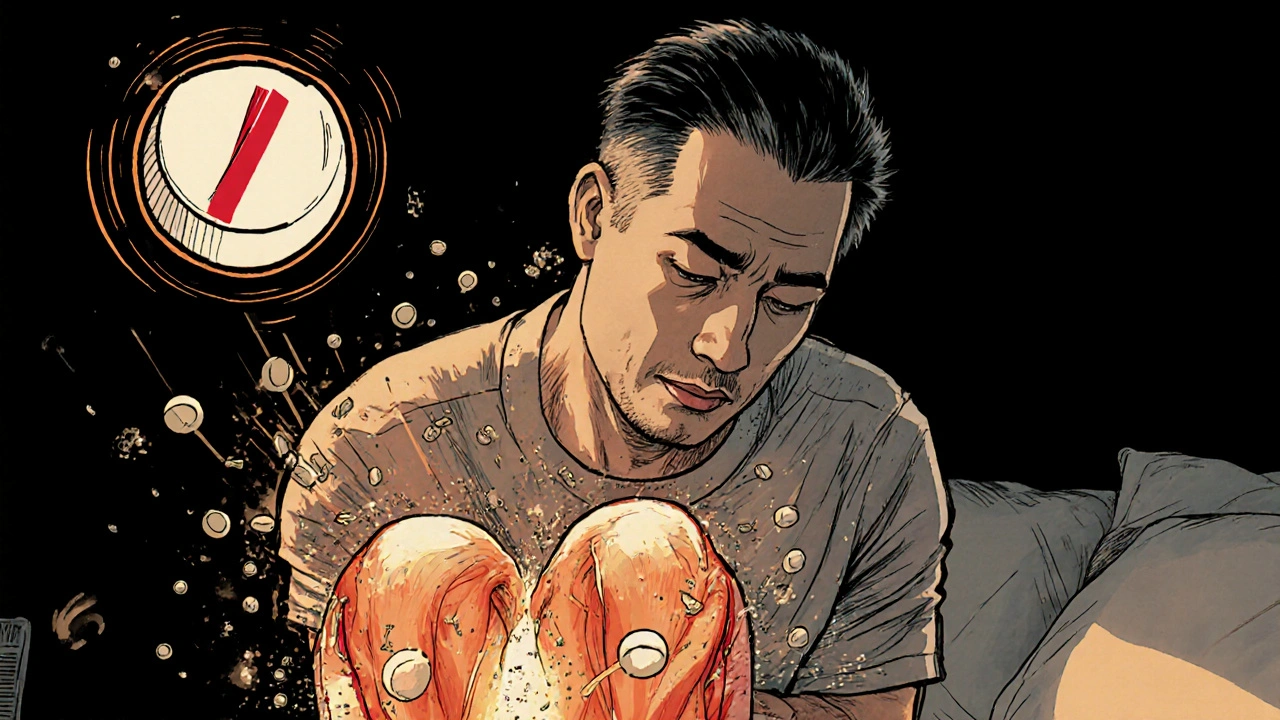
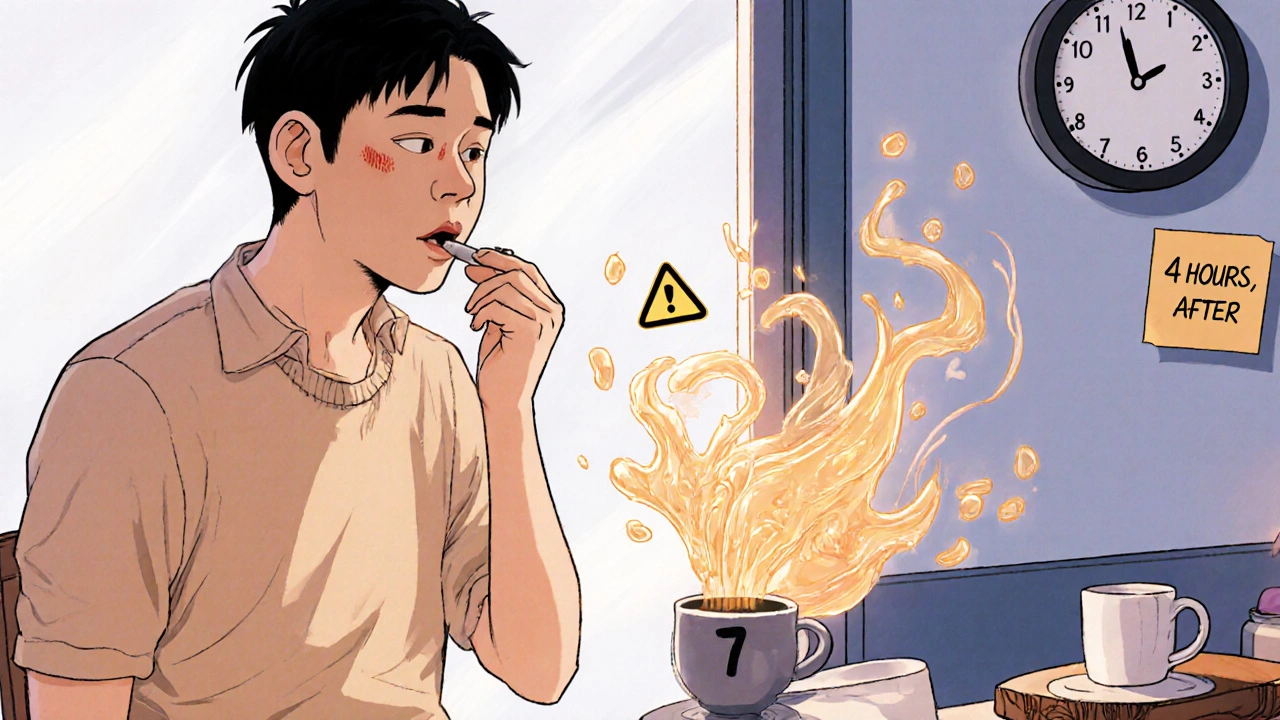
Many people don’t realize that side effects, unintended physical or mental reactions caused by medications aren’t just annoying—they can be dangerous. Statins cause muscle pain that might be more than just soreness; it could be myositis or even a rare autoimmune condition. SNRIs like venlafaxine help with depression and chronic pain, but they also raise blood pressure in some people. Even something as simple as a fiber supplement can block your thyroid medication if taken at the wrong time. And if you’re on ADHD meds as a teen, appetite loss isn’t just a side effect—it can affect long-term growth. These aren’t hypothetical risks. They’re documented, preventable, and often ignored until it’s too late.
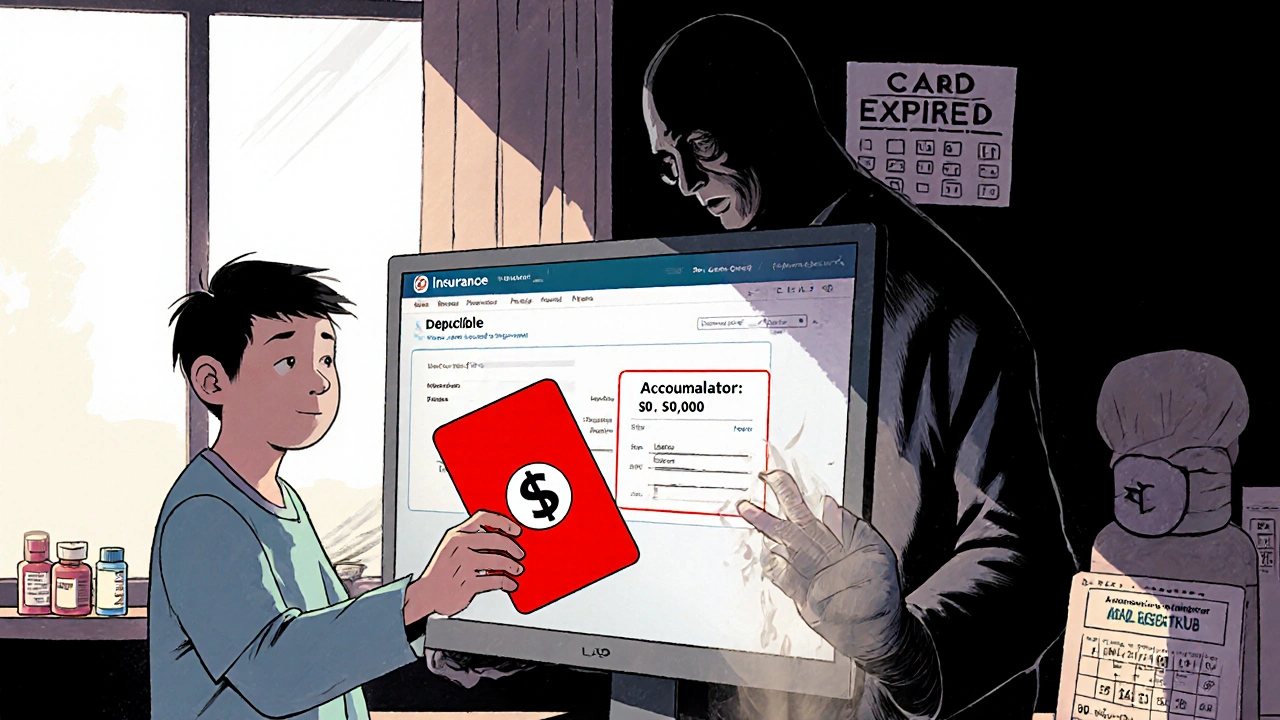
It’s not just about pills. Conditions like lupus symptoms, the varied signs of systemic lupus erythematosus, including fatigue, joint pain, and facial rashes triggered by sunlight or vertigo, a spinning sensation caused by inner ear or brain issues, not just general dizziness need clear, accurate explanations. People confuse vertigo with dizziness all the time—and that leads to wrong treatments. Rosacea isn’t acne. Myosis isn’t just tired eyes. And copay cards? They look like help, but hidden insurance rules can leave you paying more later. This collection doesn’t sugarcoat anything. It shows you what works, what doesn’t, and why.
Whether you’re managing your own health, caring for someone else, or just trying to understand why your doctor recommended a certain test or drug, the articles from November 2025 give you the facts without the jargon. You’ll find practical tips on how to check your prescriptions at the pharmacy, how to time fiber with your meds, what migraine treatments are safe during pregnancy, and how to spot early signs of lung disease from workplace exposure. No theories. No fluff. Just what you need to know to protect yourself and make better decisions every day.